
PRP vs. Microneedling: What's the Difference?
A Complete Guide to Skin Rejuvenation Treatments in Grapevine, TX
If you are exploring treatments for acne scars, uneven skin texture, fine lines, or dull-looking skin, you may have come across two popular options: platelet-rich plasma (PRP) and microneedling.
Both are used in aesthetic medicine, but they are not the same procedure.
Understanding PRP vs microneedling can help you make a more informed decision about your skincare goals.
Microneedling creates controlled microscopic punctures in the skin to stimulate a wound-healing response. PRP, on the other hand, is prepared from your own blood and contains concentrated platelets that release growth factors involved in normal tissue processes.
In some aesthetic procedures, PRP is used alongside microneedling rather than as a completely separate treatment.
At Dr. Lift Spa in Grapevine, Texas, patients can explore available skin rejuvenation services and ask which options may be appropriate for their individual concerns.
What Is Microneedling?
Microneedling is a minimally invasive cosmetic procedure that uses fine needles to create controlled microscopic injuries in the skin.
These small punctures trigger a natural wound-healing response associated with collagen and elastin remodeling.
Microneedling is commonly used to address:
Certain types of acne scars
Uneven skin texture
Fine lines
Enlarged-looking pores
Some other superficial skin concerns
The results depend on the condition being treated, skin characteristics, device settings, and number of sessions.
Microneedling does not completely remove scars or guarantee smooth skin.
What Is PRP Therapy for the Face?
PRP stands for platelet-rich plasma.
It is prepared by drawing a small amount of the patient’s blood and processing it in a centrifuge to concentrate platelets.
The resulting PRP contains growth factors involved in the body’s normal tissue-response processes.
In aesthetic medicine, PRP may be applied to the skin or injected, depending on the procedure.
PRP has been studied for skin rejuvenation, acne scars, and certain other aesthetic concerns. However, research findings vary, and its additional benefit over established treatments is not consistently demonstrated.
Important distinction: PRP itself is not microneedling. PRP is a blood-derived preparation, while microneedling is a procedure that creates controlled microinjuries in the skin.
PRP vs. Microneedling: Seven Key Differences
Feature | Microneedling | PRP |
|---|---|---|
1. What it is | A skin treatment using fine needles | A platelet-rich preparation derived from blood |
2. How it works | Creates controlled microinjuries | Delivers concentrated platelets and associated growth factors |
3. Blood draw | Usually not required | Required |
4. Main aesthetic applications | Acne scars, texture, fine lines | Investigated as an adjunct for skin rejuvenation and scars |
5. Treatment delivery | Needling device | Topical application or injection, depending on the procedure |
6. Recovery | Temporary redness, sensitivity, and swelling are common | Depends on whether PRP is injected or combined with another procedure |
7. Evidence | Established use for selected skin concerns | Evidence for additional cosmetic benefits remains variable |
The most important difference is that microneedling is a treatment technique, while PRP is a biological preparation that may be used with certain procedures.
Which Is Better for Acne Scars: PRP or Microneedling?
For many types of depressed acne scars, microneedling is an established treatment option.
It works by creating controlled microinjuries that stimulate collagen remodeling, potentially making scars less noticeable over time.
PRP may be added to microneedling in selected cases.
A 2026 systematic review involving 17 studies and 1,111 participants found that combining microneedling with PRP produced greater improvements in certain acne scar outcomes than microneedling alone. However, the authors emphasized the need for better-designed studies and standardized treatment protocols.
An earlier review also found encouraging results but judged the overall certainty of evidence to be low or very low.
What this means for patients: Microneedling alone may be appropriate for certain acne scars. Adding PRP may provide additional benefits for selected patients, but those benefits are not guaranteed.
Can PRP and Microneedling Be Combined?
Yes. PRP is sometimes used alongside microneedling in aesthetic practice.
A combination procedure may involve collecting blood, preparing PRP, performing microneedling, and applying or administering PRP according to the clinician’s protocol.
The American Academy of Dermatology discusses PRP as a possible adjunct to microneedling for acne scars.
However, the FDA has not cleared microneedling devices for use with PRP or other products. That means the FDA has not evaluated the safety and effectiveness of those specific device-product combinations.
Patients should discuss the proposed combination, supporting evidence, and risks with their treating clinician.
PRP vs. Microneedling for Fine Lines and Skin Texture
Microneedling is commonly used to improve the appearance of fine lines and uneven skin texture.
By stimulating collagen remodeling, it may gradually improve selected skin concerns.
PRP has also been investigated for facial rejuvenation, but evidence for its independent benefits is less established.
For someone primarily concerned about skin texture or mild facial wrinkles, microneedling alone may be a reasonable treatment to discuss first.
Adding PRP should be based on an individualized assessment rather than an assumption that more treatments always produce better results.
What Happens During a Microneedling Appointment?
A typical microneedling appointment may involve:
Skin consultation: The provider evaluates skin concerns, medical history, and treatment suitability.
Skin preparation: The treatment area is cleansed, and topical numbing medication may be applied.
Microneedling: A trained provider passes a microneedling device over the selected treatment area.
Post-treatment care: The patient receives instructions for protecting and caring for the skin.
Follow-up: Results are assessed over time, and additional sessions may be discussed.
The depth and technique depend on the skin concern, device, and clinical assessment.
What Happens During a PRP Facial Procedure?
When PRP is included in a facial treatment, the appointment may involve a blood draw followed by centrifuge processing.
The platelet-rich preparation is then used according to the clinician’s selected protocol.
If PRP is combined with microneedling, both procedures are performed as part of the treatment plan.
The exact approach, safety precautions, and suitability should be explained before treatment.
Recovery Time: PRP vs. Microneedling
Recovery depends on the procedure performed and the patient’s skin response.
Treatment | Possible Recovery Effects |
|---|---|
Microneedling | Temporary redness, swelling, tightness, sensitivity, or peeling |
PRP injections | Localized tenderness, swelling, or bruising |
Microneedling with PRP | Effects associated with microneedling and potentially blood collection or PRP administration |
After microneedling, some skin reactions may last several days, although certain effects can persist longer.
When Will You See Results?
Microneedling results usually develop gradually because collagen remodeling takes time.
Some patients notice changes within several weeks, while more complete improvements may take several months.
For PRP-based aesthetic treatments, the results timeline is less standardized.
Neither treatment guarantees a particular level of improvement.
How Many Sessions Are Needed?
The number of treatments depends on the patient’s skin condition, scar severity, goals, and response.
Microneedling is often performed as a series for acne scars.
PRP protocols vary, and there is no universal schedule that works for every aesthetic indication.
Your provider should explain the proposed number of sessions, expected costs, and realistic outcomes before beginning treatment.
Who Is a Good Candidate for Microneedling or PRP?
Microneedling may be considered for selected patients concerned about acne scars, fine lines, or uneven skin texture.
However, it may not be appropriate for people with active skin infections, certain inflammatory skin conditions, impaired healing, or specific medical concerns.
PRP requires additional consideration of blood-related conditions, medications, and the intended treatment.
Both procedures require an individualized assessment.
Risks and Side Effects
Microneedling may cause redness, swelling, bruising, irritation, pigmentation changes, infection, or scarring.
PRP procedures introduce additional risks related to blood collection, processing, and administration.
The FDA recommends choosing a trained healthcare professional and ensuring proper cleaning and single-patient use of needle cartridges.
Patients should disclose their medications, medical history, previous cosmetic procedures, and history of abnormal scarring before treatment.
PRP vs. Microneedling Cost in Grapevine TX
Pricing depends on the treatment type, procedure complexity, and whether PRP is included.
Microneedling combined with PRP may cost more than microneedling alone because of the additional blood collection, preparation, and administration.
Before booking, ask what the quoted price includes and whether the recommended treatment has sufficient evidence for your particular skin concern.
Contact Dr. Lift Spa for current pricing and service availability.
Why Explore Skin Rejuvenation at Dr. Lift Spa?
Choosing between PRP and microneedling starts with understanding your skin concerns and the differences between available treatments.
Dr. Lift Spa in Grapevine, Texas, provides aesthetic and wellness services for patients interested in exploring skin care options.
Patients from Grapevine, Southlake, Colleyville, Flower Mound, Keller, Bedford, Euless, Coppell, Irving, and surrounding Dallas–Fort Worth communities can inquire about available treatments.
A consultation can help determine whether microneedling, a different skin treatment, or specialist evaluation is appropriate.
Save With Dr. Lift Spa Memberships
Dr. Lift Spa offers membership options for eligible aesthetic and wellness treatments.
If you are considering microneedling or PRP-related services, ask whether the procedure is included in an available membership and whether additional charges apply.
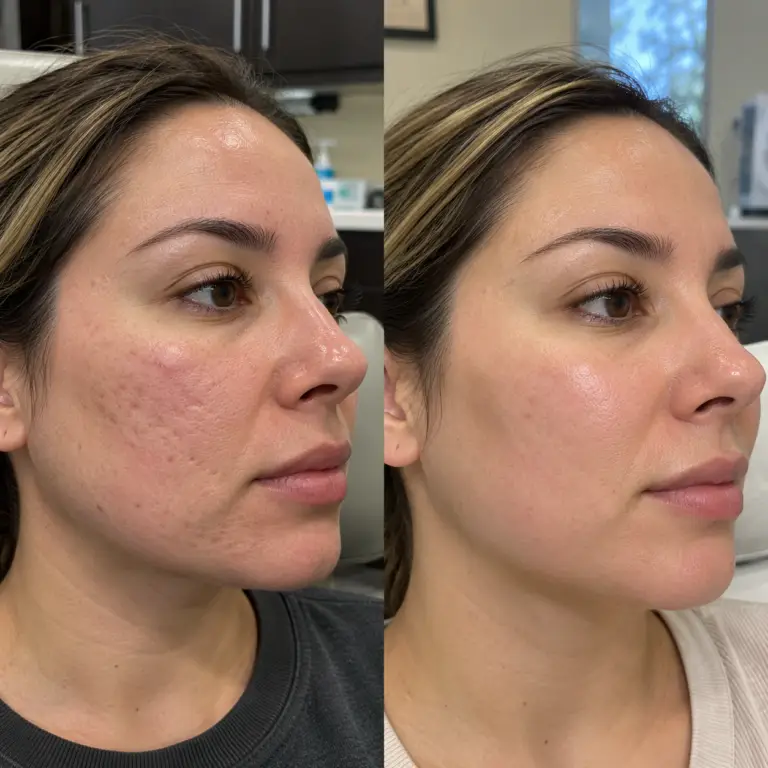
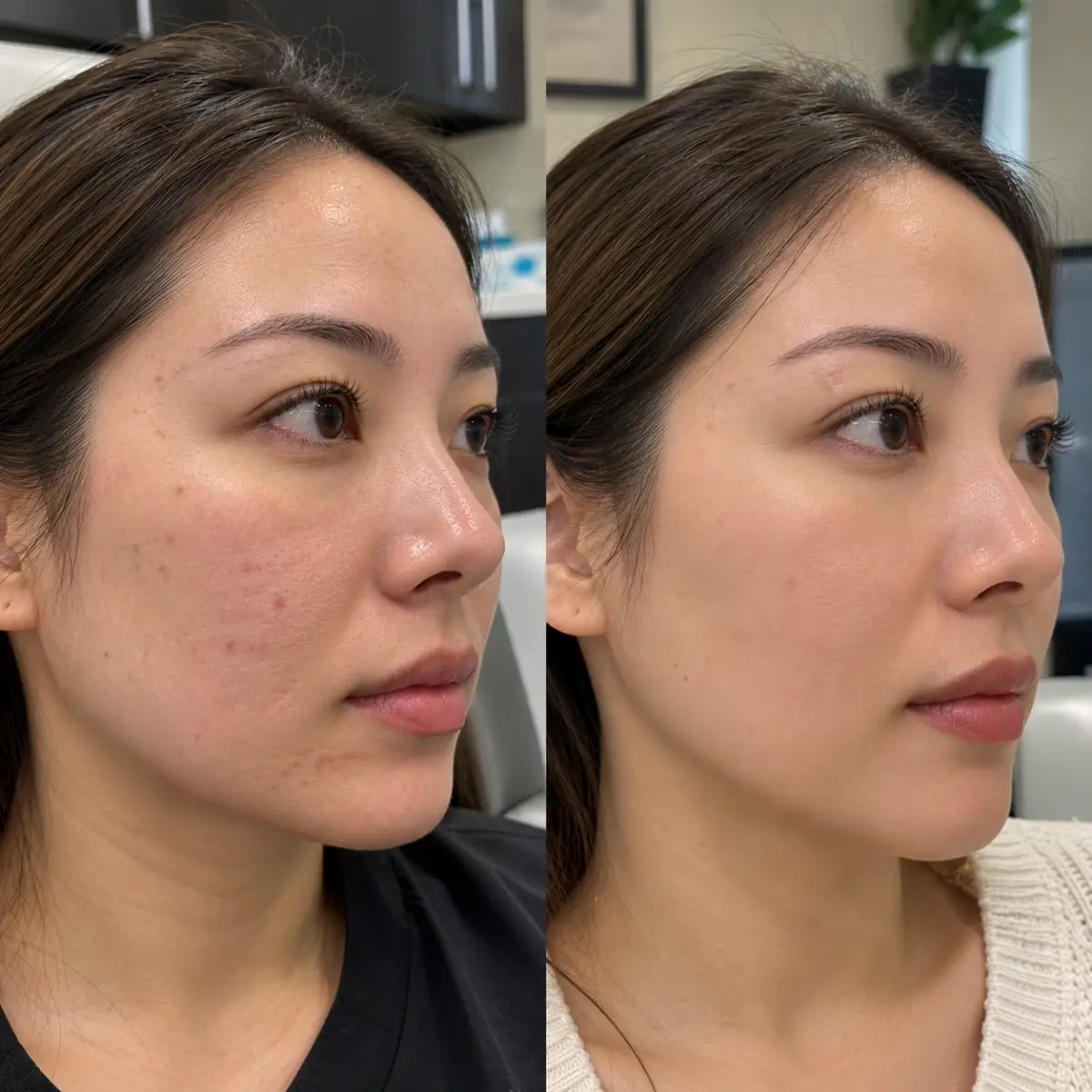
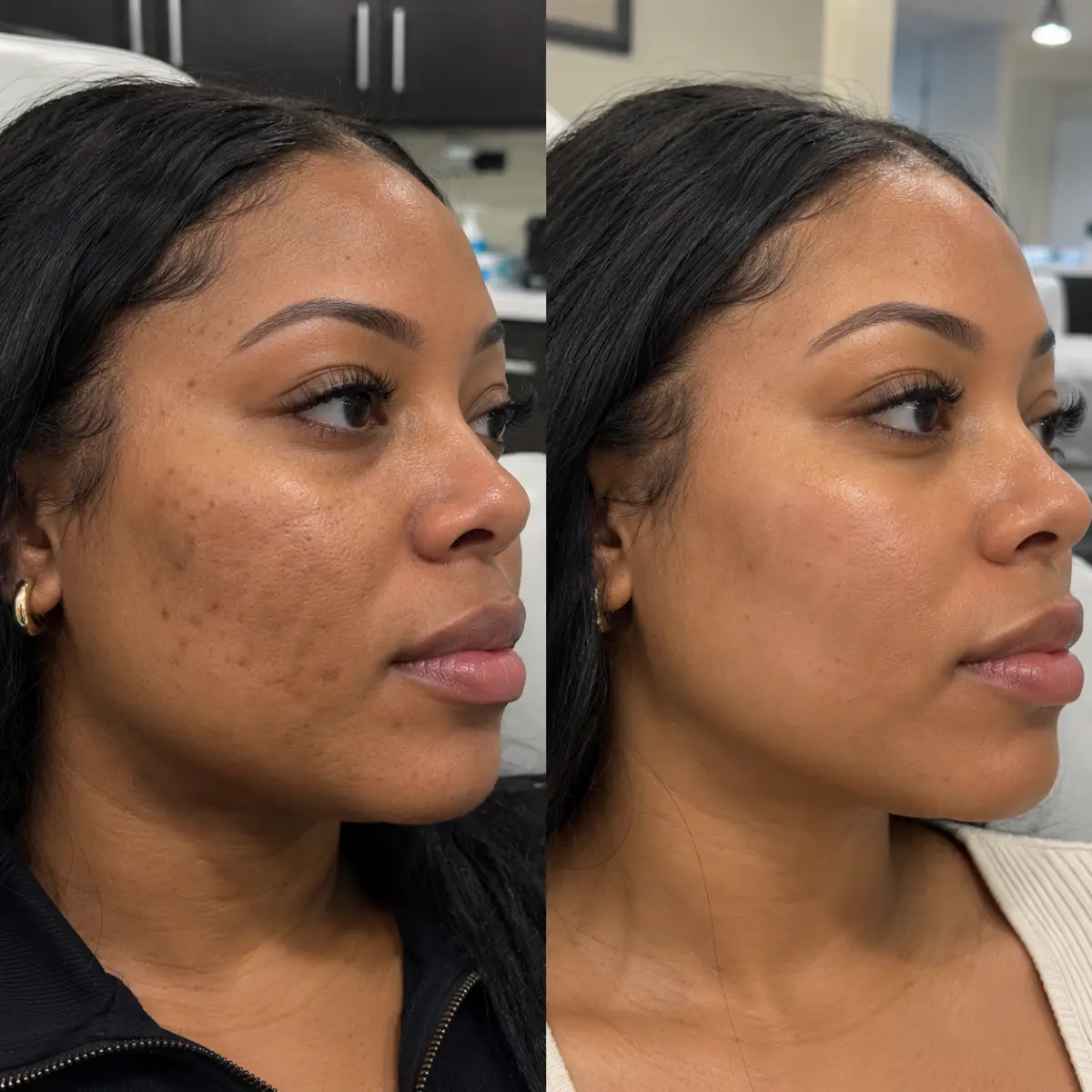
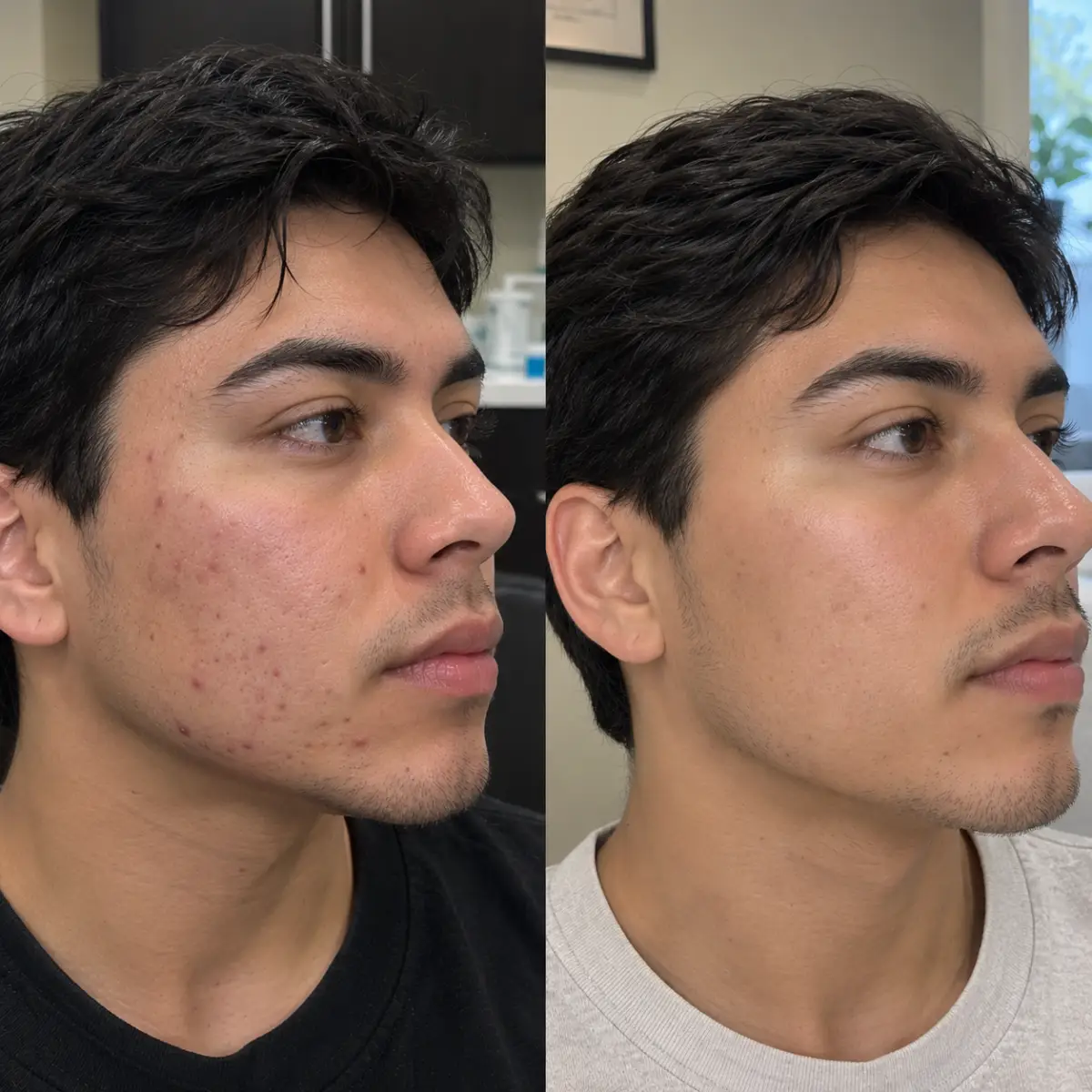
PRP vs. Microneedling Before and After Results
Frequently Asked Questions About PRP vs. Microneedling
Not necessarily. Microneedling has established applications for selected skin concerns. PRP may offer additional benefits in some combination treatments, but the evidence varies.
It may be worth discussing for selected acne scars, but the added cost and uncertain degree of benefit should be considered. It is not automatically better for everyone.
PRP is not a direct replacement for microneedling because the procedures work differently.
Microneedling is an established option for certain depressed acne scars. Combining it with PRP may provide additional improvements in selected cases, although evidence remains imperfect.
Temporary discomfort can occur. Topical numbing medication is often used for microneedling, and a PRP procedure may involve a blood draw or injections.
Temporary redness, swelling, and sensitivity are possible. Recovery depends on the procedure and individual skin response.
The term vampire facial is commonly used to describe certain cosmetic procedures combining microneedling and PRP. The exact procedure can vary between providers.
Microneedling may improve the appearance of pores for some patients, but it cannot permanently eliminate them.
Microneedling can be used across different skin tones, but pigmentation changes remain a possible risk. Appropriate technique and professional assessment are important.
Results vary with the condition treated, skin aging, sun exposure, and other factors. Some patients may benefit from maintenance treatment.
PRP vs Microneedling is an FDA-approved treatment for cosmetic use, widely recognized for its safety and effectiveness (learn more from the FDA).
How to Prepare for Treatment
Before a microneedling or PRP consultation, tell your provider about prescription medications, active skin concerns, previous cosmetic treatments, and any history of abnormal scarring.
Your provider may recommend adjusting certain skincare products before treatment.
Avoid changing prescription medications without guidance from the prescribing clinician.
Aftercare Tips
Following microneedling or PRP-related treatment, follow your provider’s individualized instructions.
These may include gentle skin cleansing, sun protection, avoiding irritating products temporarily, and monitoring for unusual symptoms.
Seek medical advice for worsening pain, spreading redness, fever, drainage, or other concerning reactions.
PRP vs. Microneedling: Which Should You Choose?
The right treatment depends on your skin concerns, medical history, expectations, and the available clinical evidence.
Microneedling may be appropriate for selected acne scars, fine lines, and uneven skin texture.
PRP is a platelet-rich preparation that may be used as an adjunct to certain aesthetic procedures, although its additional benefits are not established for every concern.
If you are comparing PRP vs microneedling in Grapevine, TX, a professional consultation can help you understand the options and make an informed decision.