
PRP for Tendon Injuries Grapevine TX
A Personalized PRP Option for Selected Tendon Conditions
Tendon injuries can make everyday movement, exercise, work, and sports uncomfortable. These problems may develop suddenly after an injury or gradually from repetitive activity and overuse.
At Dr. Lift Spa, PRP for Tendon Injuries Grapevine TX may be considered for appropriately selected patients with certain tendon-related conditions.
Platelet-rich plasma, or PRP, is prepared from a sample of your own blood. The blood is processed to concentrate platelets within the plasma before the preparation is administered to the selected treatment area.
Research on PRP for tendinopathy remains mixed. A 2025 systematic review found pain improvement in some patients with chronic tendinopathy who had already failed conservative treatment, but substantial differences between studies mean PRP should not be considered equally effective for every tendon condition.
What Is PRP for Tendon Injuries Grapevine TX?
PRP for Tendon Injuries Grapevine TX is an injectable treatment using platelet-rich plasma derived from the patient’s own blood.
A small blood sample is collected and processed to separate and concentrate platelets. The resulting PRP preparation is then administered to the selected treatment area according to the patient’s diagnosis and treatment plan.
Platelets contain growth factors and signaling proteins involved in the body’s normal tissue-response processes.
PRP is sometimes called an orthobiologic or regenerative treatment. However, this does not mean PRP can automatically regenerate a damaged tendon, reconnect a complete tendon tear, or guarantee healing.
7 Potential Benefits of PRP for Tendon Injuries Grapevine TX
For appropriately selected patients, PRP may offer several potential advantages:
- Uses Your Own Blood – PRP is prepared from the patient’s own blood rather than donor material.
- Nonsurgical Approach – PRP is administered by injection without open surgery.
- May Help Manage Tendon Pain – Research suggests PRP may reduce pain in some patients with chronic tendinopathy, although results vary. PubMed
- May Support Function – Some studies report functional improvement, but outcomes differ by tendon and treatment protocol.
- May Be Considered After Conservative Care – PRP may be explored for selected chronic tendon problems that have not improved sufficiently with appropriate first-line treatment. PubMed
- Can Complement Rehabilitation – PRP may be incorporated into a broader plan that includes progressive loading, strengthening, and physical therapy when appropriate.
- Personalized Treatment – Treatment can be planned according to the tendon involved, diagnosis, injury severity, activity level, and individual goals.
Individual results may vary.
What Tendon Injuries May Be Considered for PRP?
PRP has been studied for several tendon-related conditions, but evidence differs substantially depending on the tendon and diagnosis.
Depending on the patient’s evaluation and the services offered by Dr. Lift Spa, PRP may be considered for selected cases involving:
- Rotator cuff tendinopathy
- Patellar tendinopathy
- Tennis elbow or lateral elbow tendinopathy
- Golfer’s elbow or medial elbow tendinopathy
- Other chronic overuse tendon conditions
- Selected partial tendon injuries
Achilles tendinopathy requires particular caution because recent high-quality reviews have not demonstrated a meaningful advantage of PRP over placebo.
How Does PRP for Tendon Injuries Grapevine TX Work?
Treatment begins with collecting a sample of the patient’s blood.
The sample is processed to produce platelet-rich plasma. The resulting PRP preparation contains a concentration of platelets and associated signaling molecules.
PRP is then administered according to the patient’s treatment plan.
Researchers have investigated whether these concentrated components may influence the biological environment around injured or degenerative tendon tissue.
However, PRP preparations are not standardized across all clinics and studies. Platelet concentration, leukocyte content, preparation method, injection technique, number of treatments, and rehabilitation protocols may differ.
These differences are one reason PRP research can produce inconsistent results.
PRP for Chronic Tendon Pain
Tendinopathy commonly develops from repetitive stress rather than one sudden injury.
Symptoms may include:
- Pain during activity
- Tenderness
- Morning stiffness
- Reduced strength
- Pain with repetitive movement
- Difficulty exercising
- Reduced athletic performance
- Persistent symptoms despite rest
A 2025 systematic review and meta-analysis examined patients with chronic tendinopathy who had not responded to conservative treatment. Across nine randomized trials involving 488 patients, PRP was associated with greater pain reduction at six and 12 months than control treatments, although substantial differences among studies limit how broadly those results can be applied.
This means PRP may be worth considering for certain chronic tendon conditions—but it is not a universal tendon treatment.
PRP for Rotator Cuff Tendon Problems
The rotator cuff consists of tendons that help stabilize and move the shoulder.
Problems involving these tendons may contribute to:
- Shoulder pain
- Pain when lifting the arm
- Pain with overhead movement
- Reduced strength
- Difficulty exercising
- Difficulty sleeping on the affected side
PRP has been studied for rotator cuff-related conditions, but the appropriate treatment depends on the exact diagnosis and severity.
A patient with tendinopathy is different from someone with a significant or complete tendon tear.
For shoulder-specific information, link this section to your PRP for Shoulder Pain Grapevine TX page.
PRP for Patellar Tendon Problems
The patellar tendon connects the kneecap to the shinbone and plays an important role in running and jumping.
Repetitive loading can contribute to patellar tendinopathy, sometimes called jumper’s knee.
Symptoms may include pain around the front of the knee, particularly during:
- Running
- Jumping
- Squatting
- Climbing stairs
- Sports training
PRP has been investigated for patellar tendinopathy, but outcomes vary and rehabilitation remains an important part of treatment.
PRP for Tennis Elbow
Tennis elbow, also known as lateral elbow tendinopathy, involves tendons around the outside of the elbow.
Despite its name, you do not need to play tennis to develop it.
Repeated gripping, lifting, racquet sports, manual work, and other repetitive movements can contribute to symptoms.
PRP has been studied as an injection option for persistent elbow tendinopathy. A 2025 systematic review comparing PRP with corticosteroid injections across tendinopathies found that treatment effects can differ over time and by condition, reinforcing the importance of individualized treatment selection. PubMed
PRP for Achilles Tendon Pain
This section is particularly important for medical accuracy.
PRP is sometimes marketed for Achilles tendinopathy, but recent evidence does not demonstrate a clear benefit.
A 2026 meta-analysis of four randomized controlled trials involving 337 patients found no significant clinical or imaging benefit of PRP compared with placebo for Achilles tendinopathy.
Another 2025 meta-analysis of six randomized trials involving 422 patients found no improvement in pain or function compared with placebo and advised caution when considering PRP for this condition.
A separate 2026 review found only a small short-term functional difference without meaningful long-term or structural benefits and concluded that PRP should not be considered routine treatment for chronic midportion Achilles tendinopathy. For this reason, we should not advertise PRP as a proven Achilles tendon treatment.
Tendon Injury vs. Tendinopathy
Laser hair reduction can potentially be performed across different skin tones, but the treatment protocol must be individualized.
In darker skin, greater epidermal melanin creates more competition for laser energy. This can increase the risk of unwanted heating, burns, or pigment changes when inappropriate technology or settings are used.
Clinical literature includes successful 810-nm diode treatment in darker Fitzpatrick skin types, but appropriate parameters and technique remain important.
For highly pigmented skin, laser selection matters; reviews also identify long-pulsed 1064-nm Nd:YAG as an important option because of its lower melanin absorption relative to shorter wavelengths.
Can PRP Repair a Torn Tendon?
PRP should not be promoted as a treatment that automatically repairs or reconnects a torn tendon.
Small or partial injuries may sometimes be managed without surgery depending on the tendon, severity, function, and individual circumstances.
A complete rupture or significant tendon injury may require orthopedic evaluation and, in some cases, surgery.
An appropriate diagnosis should come before deciding whether PRP is reasonable.
PRP Is Not a Replacement for Tendon Rehabilitation
PRP should generally be viewed as one possible component of a broader treatment plan rather than a replacement for appropriate rehabilitation.
Depending on the tendon and diagnosis, recovery may include:
- Activity modification
- Physical therapy
- Progressive tendon loading
- Strength training
- Mobility exercises
- Gradual return to activity
- Correction of training or movement factors
Recent reviews of Achilles tendinopathy specifically emphasize evidence-based rehabilitation rather than routine PRP treatment.
Who Is a Good Candidate for PRP for Tendon Injuries?
A potential candidate may be someone with a diagnosed tendon condition who wants to explore nonsurgical treatment options, particularly when appropriate conservative care has not provided sufficient improvement.
An evaluation may consider:
- Which tendon is affected
- Exact diagnosis
- Acute versus chronic symptoms
- Injury severity
- Duration of symptoms
- Strength and function
- Previous treatments
- Current rehabilitation
- Previous injuries or surgery
- Medications
- Medical history
- Activity level
- Treatment goals
- Imaging when medically appropriate
PRP is not appropriate for everyone.
When Should a Tendon Injury Be Evaluated Further?
Some symptoms may indicate a more significant injury requiring medical or orthopedic evaluation.
These include:
- Sudden severe pain
- A popping or snapping sensation
- Significant weakness
- Inability to use the affected limb normally
- Visible deformity
- Major swelling
- Significant bruising after an injury
- Inability to bear weight
- Loss of normal movement
- Suspected tendon rupture
These symptoms should not simply be treated as routine tendinopathy.
When Will I See Results From PRP?
PRP does not provide instant tendon repair.
When improvement occurs, changes in pain and function may develop gradually over weeks or months.
Results depend on factors such as:
- Tendon involved
- Diagnosis
- Severity
- Duration of symptoms
- PRP preparation
- Rehabilitation
- Activity level
- Previous injuries
- Overall health
- Individual biological response
Individual results may vary.
How Many PRP Treatments Are Needed?
There is no universal number of PRP treatments for tendon injuries.
Research protocols differ in the number and timing of injections, preparation methods, and rehabilitation programs.
The treatment plan should therefore be based on the individual diagnosis rather than promising every patient a predetermined number of injections.
PRP for Tendon Injuries Cost in Grapevine TX
The cost of PRP for Tendon Injuries in Grapevine TX depends on the condition being treated and the recommended treatment plan.
Because different tendon conditions may require different evaluations and approaches, consultation is important before determining whether PRP is appropriate.
Contact Dr. Lift Spa for current PRP pricing and availability.
Why Choose Dr. Lift Spa for PRP in Grapevine TX?
Tendon pain is not one single condition.
Shoulder tendinopathy, tennis elbow, patellar tendinopathy, partial tendon injuries, and Achilles tendinopathy can respond differently to treatment.
Dr. Lift Spa takes an individualized approach when considering PRP rather than assuming it is appropriate for every tendon problem.
When rehabilitation, diagnostic imaging, orthopedic evaluation, or another treatment is more appropriate, these options should be considered.
Dr. Lift Spa serves patients from Grapevine, Southlake, Colleyville, Flower Mound, Coppell, Keller, Bedford, Euless, Irving, and surrounding DFW communities.
Save With Dr. Lift Spa Memberships
Dr. Lift Spa offers membership options for eligible aesthetic and wellness services.
PRP eligibility, pricing, and membership benefits may differ by treatment, so confirm current benefits before scheduling.
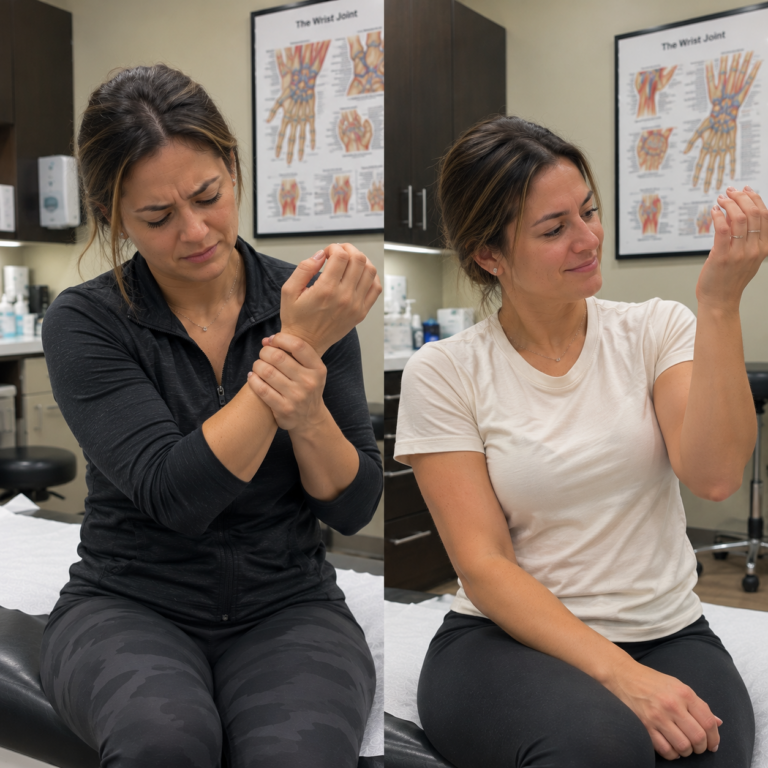
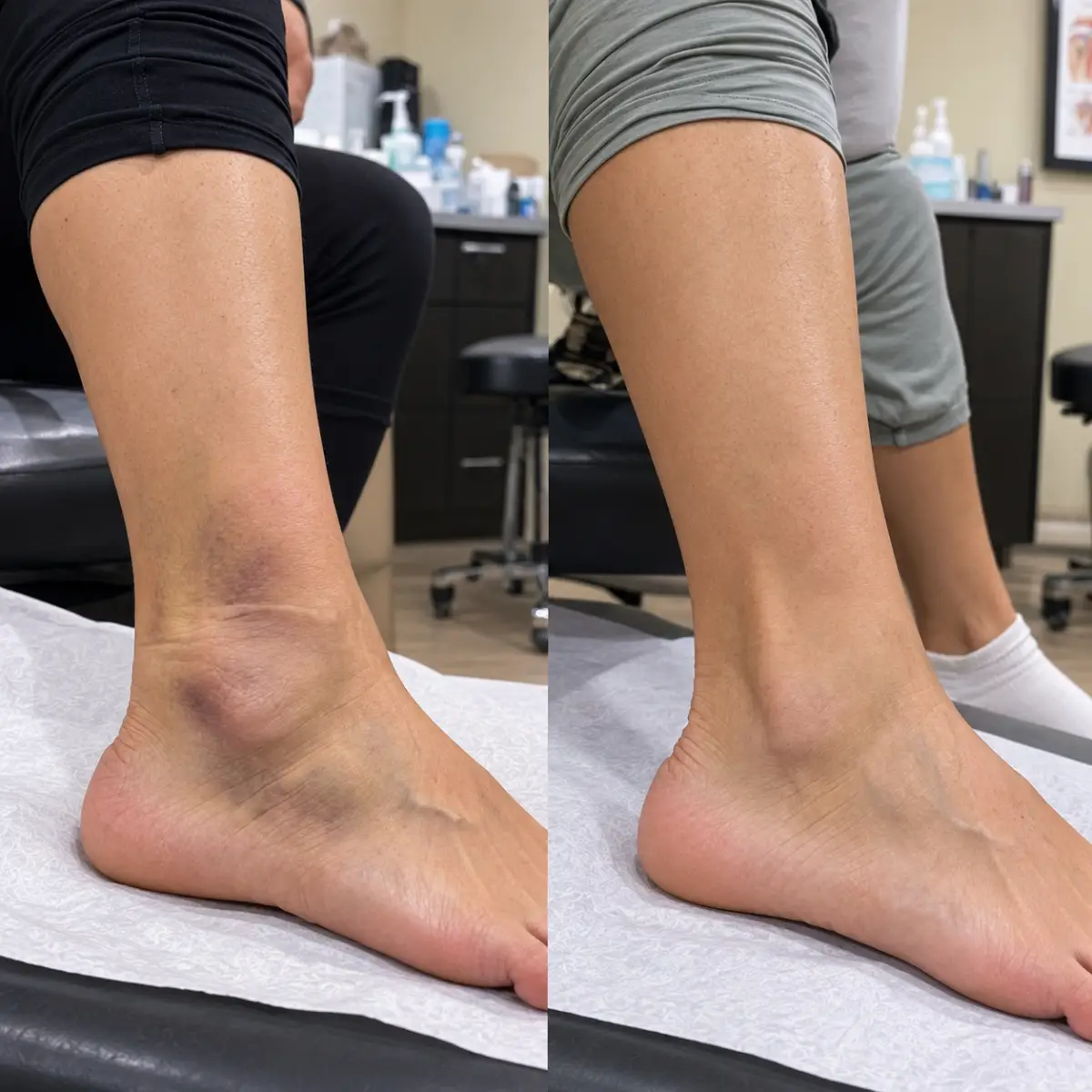
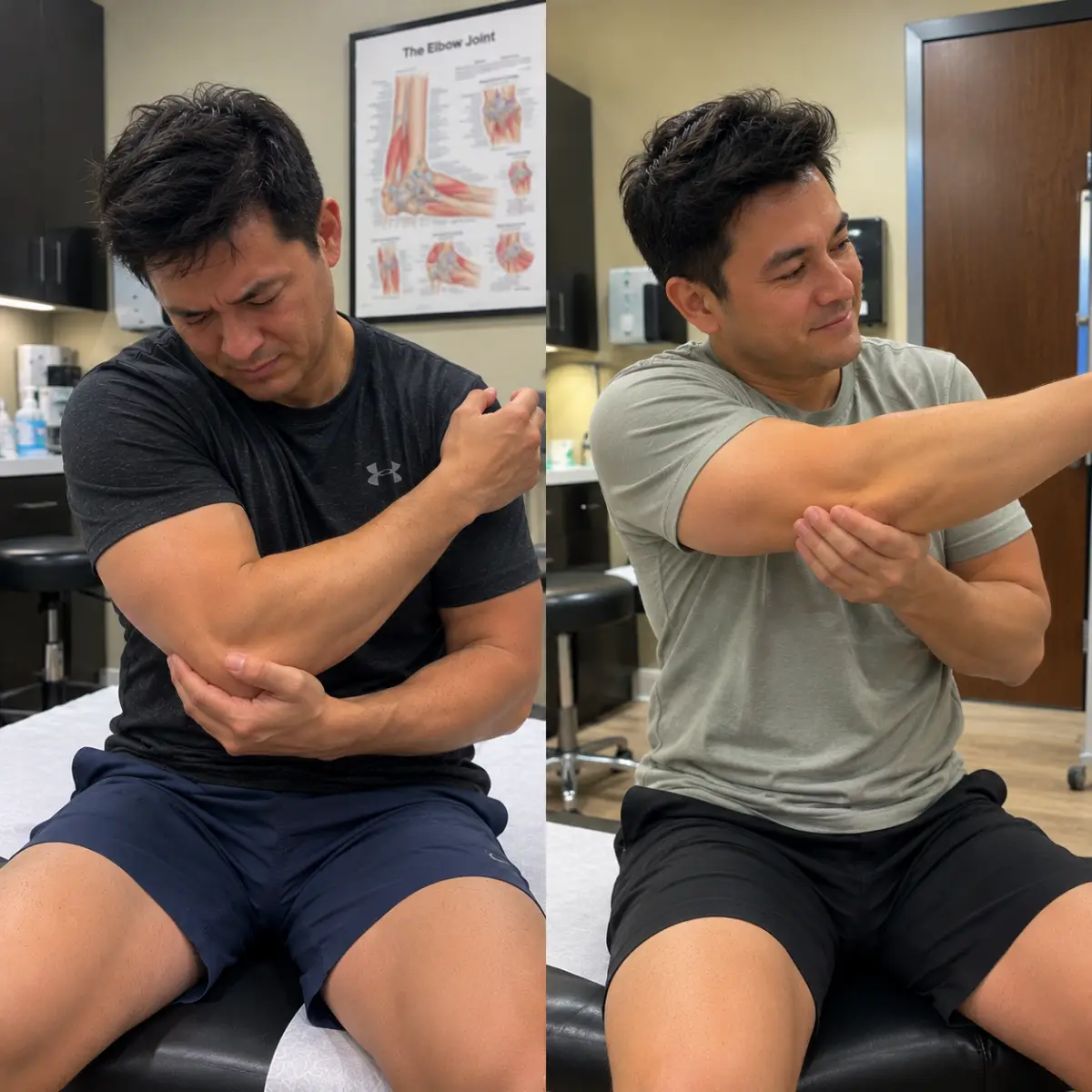
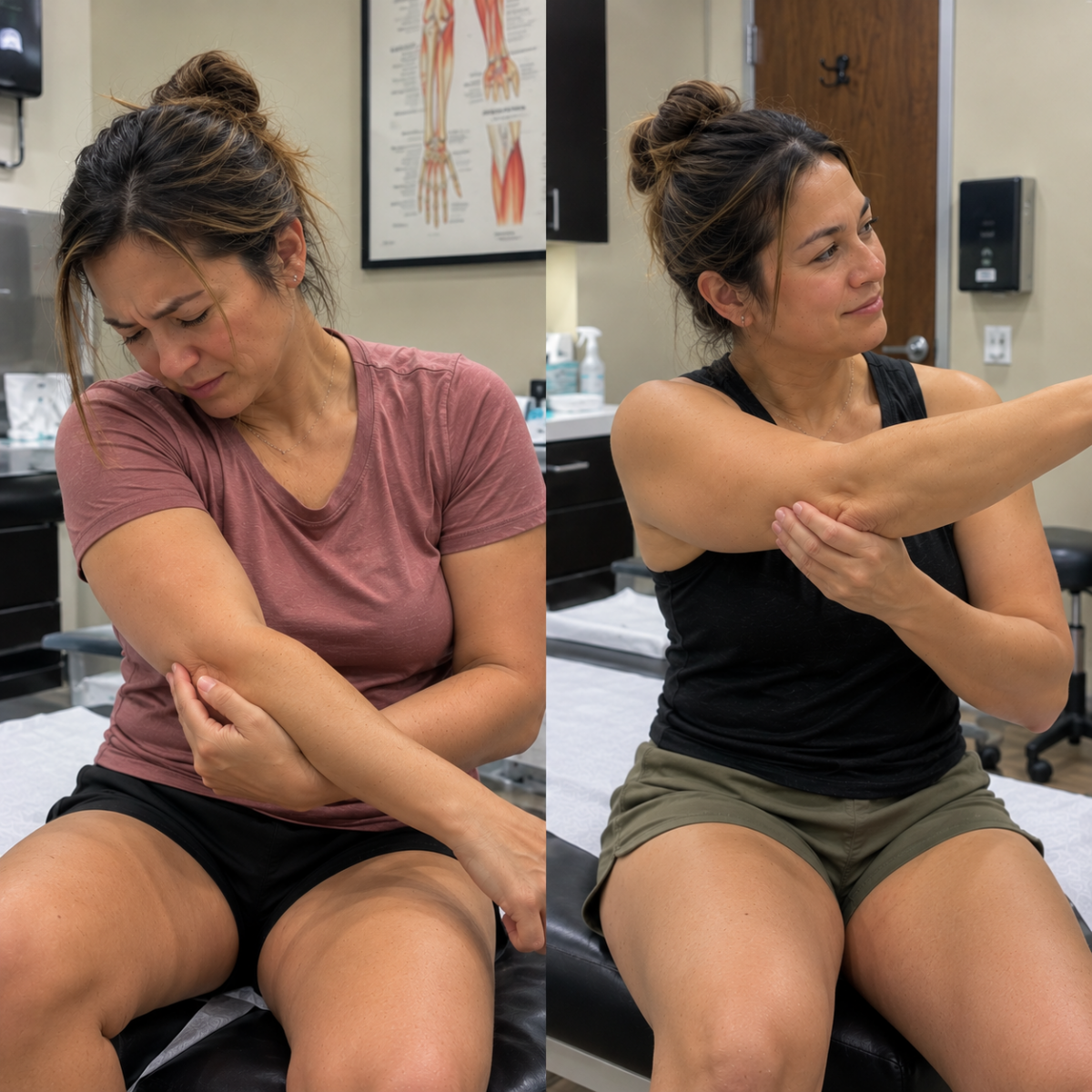
PRP for Tendon Injuries Grapevine TX Before and After
Frequently Asked Questions About PRP for Tendon Injuries Grapevine TX
It depends on the tendon and diagnosis. A 2025 meta-analysis found pain improvement among selected patients with chronic tendinopathy who had failed conservative treatment, but substantial differences existed between studies.
PRP should not be described as guaranteed to heal or reconnect a torn tendon. Significant or complete tendon tears may require specialist evaluation and potentially surgery.
PRP may be considered for selected chronic tendinopathies, particularly after appropriate conservative treatment has not provided sufficient improvement. Evidence varies considerably according to the tendon involved.
Current high-quality evidence does not show a clear benefit over placebo for chronic Achilles tendinopathy.
PRP has been studied for lateral elbow tendinopathy. Whether it is appropriate depends on the diagnosis, symptom duration, previous treatments, and individual circumstances.
No. PRP is administered by injection and does not involve open surgery.
Often, rehabilitation remains important. Progressive loading and strengthening may be important components of recovery depending on the tendon and diagnosis.
There is no guarantee that PRP results will be permanent. Outcomes vary according to the condition, tendon, activity level, rehabilitation, and individual response.
PRP for Tendon Injuries Grapevine TX is an FDA-approved treatment for cosmetic use, widely recognized for its safety and effectiveness (learn more from the FDA).
How to Prepare for PRP Tendon Treatment
Before treatment, tell your provider about your:
- Medications and supplements
- Medical conditions
- Previous tendon injuries
- Previous surgeries
- Previous injections
- Current rehabilitation
- Allergies
- Exercise and sports activities
Follow your provider’s specific preparation instructions.
Do not stop prescription medications, blood thinners, or anti-inflammatory medicines unless the healthcare professional managing them specifically instructs you to do so.
After PRP for Tendon Injuries Grapevine TX
Temporary soreness, tenderness, stiffness, or swelling may occur after treatment.
Follow your provider’s individualized instructions regarding activity, exercise, physical therapy, medications, and return to sports.
Do not assume that reduced pain means the tendon is fully healed. A gradual return to loading and activity may still be necessary.
Contact your healthcare provider for severe or worsening pain, significant swelling, fever, increasing redness or warmth, drainage, new weakness or numbness, or other concerning symptoms.
Explore PRP for Tendon Injuries in Grapevine TX
Persistent tendon pain can affect exercise, sports, work, and everyday movement.
For appropriately selected patients, PRP for Tendon Injuries Grapevine TX may be considered as part of an individualized treatment plan for certain tendon conditions.
Because evidence varies by tendon, identifying the exact cause of symptoms is an important first step before determining whether PRP is appropriate.