
PRP for Sports Injuries Grapevine TX
A Personalized PRP Option for Selected Sports and Activity-Related Injuries
Sports injuries can affect anyone—from competitive athletes to runners, gym-goers, weekend athletes, and active adults. Muscle strains, tendon problems, and other musculoskeletal injuries can interfere with training, work, exercise, and everyday movement.
At Dr. Lift Spa, PRP for Sports Injuries Grapevine TX may be considered for appropriately selected patients as part of an individualized treatment and recovery plan.
Platelet-rich plasma, or PRP, is prepared from a patient’s own blood. The blood is processed to concentrate platelets within the plasma, and the resulting preparation is administered to the selected treatment area according to the patient’s diagnosis and treatment plan.
PRP has been studied for several sports-related muscle and tendon conditions. However, its effectiveness varies depending on the injury, and high-quality evidence remains limited for many applications.
What Is PRP for Sports Injuries Grapevine TX?
PRP for Sports Injuries Grapevine TX uses platelet-rich plasma prepared from a sample of the patient’s own blood.
The blood is processed to create plasma containing a concentrated amount of platelets. The PRP preparation is then administered to the selected treatment area based on the patient’s condition and treatment plan.
Platelets contain growth factors and other signaling molecules involved in the body’s normal tissue-response and repair processes.
Because PRP comes from the patient’s own blood, it is considered an autologous treatment.
PRP is sometimes described as regenerative or orthobiologic therapy. However, this terminology does not mean PRP can automatically regenerate damaged tissue, reconnect a torn tendon, or completely heal every sports injury.
7 Potential Benefits of PRP for Sports Injuries Grapevine TX
For appropriately selected patients, potential advantages may include:
- Uses Your Own Blood – PRP is prepared from a patient’s own blood rather than a donor source.
- Nonsurgical Treatment Option – PRP is administered by injection rather than through open surgery.
- May Help With Selected Sports Injuries – PRP has been investigated for muscle injuries and several types of tendinopathy.
- May Help Manage Pain – Some studies report pain improvement in selected athletes, although findings differ by condition. PubMed
- May Support Return to Activity – Recent research suggests PRP may shorten return-to-sport time for certain acute muscle injuries, particularly hamstring injuries, although certainty remains limited. PubMed
- Can Complement Rehabilitation – PRP may be used as one component of a broader recovery program that includes appropriate rehabilitation and progressive exercise.
- Personalized Treatment – Treatment can be planned around the injured structure, severity, activity level, medical history, and individual goals.
Individual results may vary.
What Sports Injuries May Be Considered for PRP?
Sports injuries include many different conditions, so PRP should never be treated as one solution for every injury.
Depending on the diagnosis and services actually offered by Dr. Lift Spa, PRP may be considered for selected:
- Muscle strains and partial muscle injuries
- Hamstring injuries
- Tendon-related injuries
- Rotator cuff tendinopathy
- Patellar tendon problems
- Selected joint-related sports symptoms
- Overuse injuries
- Persistent musculoskeletal symptoms after appropriate conservative treatment
Evidence varies considerably among these conditions.
For example, a 2025 systematic review of randomized trials involving injured athletes found conflicting results for hamstring injuries and variable findings across muscle and tendon conditions. The authors concluded that PRP may assist pain management but emphasized the lack of high-quality evidence.
How Does PRP for Sports Injuries Work?
PRP treatment typically begins with a blood draw.
The blood is processed using a centrifuge or PRP preparation system to separate and concentrate platelets. The resulting platelet-rich plasma is then prepared for administration to the selected treatment area.
Platelets release biologically active signaling molecules involved in normal healing responses.
Researchers have investigated whether concentrating these components at an injured area may influence the local biological environment.
However, not all PRP preparations are the same.
Differences can include platelet concentration, leukocyte content, preparation method, injection technique, treatment timing, number of injections, and rehabilitation protocols. These differences make it difficult to apply the results of one PRP study to every patient or injury.
PRP for Muscle Injuries in Athletes
Muscle injuries are common in running, soccer, football, basketball, weight training, and many other sports.
Common areas include the:
- Hamstrings
- Quadriceps
- Calf muscles
- Hip and thigh muscles
Recent research has produced encouraging—but still uncertain—results.
A 2026 systematic review and meta-analysis of randomized trials found that PRP was associated with faster return to sport following acute muscle injuries. However, the authors rated the quality of evidence as limited and emphasized that higher-quality studies are still needed.
This means PRP may be considered for selected muscle injuries, but it should not be promoted as a guaranteed way to heal a muscle tear faster.
PRP for Hamstring Injuries
Hamstring injuries are among the better-studied acute muscle injuries involving PRP.
A 2026 systematic review and meta-analysis of six randomized controlled trials involving 277 participants found an average return-to-play time of about 21.4 days with PRP compared with 30 days in control groups. However, the studies showed substantial heterogeneity, and the certainty of evidence was rated low to moderate. Reinjury rates were not significantly different.
These findings are promising but do not mean every hamstring injury will recover eight or nine days faster after PRP.
Injury severity, rehabilitation, treatment technique, athletic demands, and individual healing response all matter.
PRP for Tendon Injuries
Tendon injuries and chronic tendinopathies are common among active adults and athletes.
PRP has been investigated for several tendon conditions, but outcomes vary depending on which tendon is affected.
For example, research has examined PRP for:
- Rotator cuff tendinopathy
- Patellar tendinopathy
- Achilles tendinopathy
- Other selected chronic tendon conditions
PRP should therefore be recommended based on the specific diagnosis, rather than simply because someone has a “sports injury.”
PRP for Achilles Tendon Pain
This is an especially important area where the page should avoid overpromising.
Although PRP is sometimes promoted for Achilles tendinopathy, a 2026 meta-analysis of four randomized controlled trials involving 337 patients found no significant clinical or radiological advantage of PRP over placebo at the measured follow-up periods.
Another recent umbrella review similarly concluded that available evidence does not support routine PRP as a first-line treatment for chronic Achilles tendinopathy.
This illustrates why PRP results for one sports injury should not be generalized to another.
PRP for Joint-Related Sports Injuries
Athletic activity can also contribute to joint pain and injury.
Depending on the diagnosis, PRP may sometimes be considered as part of a nonsurgical treatment plan.
However, joint pain following sports activity can result from many different problems, including cartilage injury, ligament injury, meniscal injury, inflammation, arthritis, or acute trauma.
A proper evaluation is therefore important before determining whether PRP is appropriate.
For patients whose primary concern is knee or joint pain, link to your dedicated pages:
PRP for Knee Pain Grapevine TX
PRP for Joint Pain Grapevine TX
PRP for Knee Osteoarthritis Grapevine TX
PRP for Overuse Injuries
Not every sports injury occurs suddenly.
Repetitive running, jumping, throwing, lifting, or other movements can gradually overload muscles and tendons.
These injuries may cause:
- Activity-related pain
- Tenderness
- Stiffness
- Reduced strength
- Reduced performance
- Difficulty training
- Persistent symptoms despite rest
PRP may be considered for certain diagnosed overuse conditions, but rehabilitation, load management, strengthening, and correction of contributing factors remain important parts of treatment.
Can PRP Help Athletes Return to Sports Faster?
Possibly for some injuries—but this should not be guaranteed.
Recent meta-analyses suggest that PRP may shorten return-to-sport time following selected acute muscle injuries, including hamstring injuries.
However, research does not demonstrate the same benefit for every sports injury.
Return-to-sport timing also depends on:
- Type of injury
- Injury severity
- Strength
- Range of motion
- Pain
- Rehabilitation progress
- Sport-specific demands
- Previous injuries
- Individual healing response
Returning too quickly can potentially increase the risk of further injury.
PRP Is Not a Replacement for Rehabilitation
PRP should not be viewed as a shortcut around rehabilitation.
For many sports injuries, recovery may include:
- Activity modification
- Physical therapy
- Progressive strengthening
- Mobility exercises
- Gradual loading
- Sport-specific training
- Appropriate rest
- Structured return-to-sport progression
A 2025 review of PRP in injured athletes specifically described PRP as a potential complement to multidisciplinary rehabilitation, rather than a replacement for it.
Who Is a Good Candidate for PRP for Sports Injuries Grapevine TX?
Potential candidates may include active adults or athletes with an appropriately diagnosed musculoskeletal injury who want to explore nonsurgical treatment options.
An evaluation may consider:
- Type of injury
- Injured muscle, tendon, or joint
- Injury severity
- How long symptoms have been present
- Previous injuries
- Previous treatments
- Current rehabilitation
- Medical history
- Current medications
- Activity level
- Sport
- Training demands
- Return-to-sport goals
- Imaging when medically appropriate
PRP is not appropriate for everyone.
Certain medical conditions, active infections, blood disorders, medications, pregnancy, or other factors may affect treatment eligibility.
When a Sports Injury Needs Further Medical Evaluation
Some injuries require prompt medical evaluation rather than proceeding directly with elective PRP treatment.
Seek appropriate assessment for symptoms such as:
- Severe pain
- Major swelling
- Significant trauma
- Visible deformity
- Inability to bear weight
- Inability to move the affected area
- Sudden major weakness
- Suspected fracture
- Suspected complete tendon or muscle rupture
- Joint instability
- Numbness or neurological symptoms
- Fever or signs of infection
Imaging or specialist evaluation may be necessary depending on the injury.
When Will I See Results From PRP?
PRP does not provide guaranteed immediate results.
When improvement occurs, it may develop gradually over the following weeks or months.
The timeline depends on factors such as:
- Type of injury
- Severity
- Acute versus chronic injury
- PRP preparation
- Treatment protocol
- Rehabilitation
- Age and overall health
- Activity level
- Individual biological response
PRP should not be advertised as providing a guaranteed recovery date.
Individual results may vary.
How Many PRP Treatments Are Needed?
There is no universal PRP treatment schedule for sports injuries.
Some research protocols use one injection, while others use multiple treatments. PRP preparation methods and injection techniques also vary substantially between studies.
The appropriate plan should be determined by the specific injury and individualized treatment protocol rather than promising every athlete a fixed number of sessions.
PRP for Sports Injuries Cost in Grapevine TX
The cost of PRP for Sports Injuries in Grapevine TX depends on the condition being treated and the recommended treatment plan.
Because sports injuries can involve different muscles, tendons, and joints, an evaluation can help determine whether PRP is an appropriate option before treatment is planned.
Contact Dr. Lift Spa for current PRP pricing and availability.
Why Choose Dr. Lift Spa for PRP in Grapevine TX?
Sports injuries require individualized treatment because an injured hamstring, shoulder tendon, knee joint, and Achilles tendon do not have the same diagnosis, prognosis, or PRP evidence.
Dr. Lift Spa takes an individualized approach when considering PRP treatment.
When physical therapy, imaging, orthopedic evaluation, sports medicine care, surgery, or another treatment is more appropriate, those options should be considered rather than assuming PRP is suitable for every injury.
Dr. Lift Spa serves patients from Grapevine, Southlake, Colleyville, Flower Mound, Coppell, Keller, Bedford, Euless, Irving, and surrounding DFW communities.
Save With Dr. Lift Spa Memberships
Dr. Lift Spa offers membership options for ongoing aesthetic and wellness services.
PRP eligibility, pricing, and membership benefits may differ from other treatments. Confirm whether a specific PRP service qualifies for membership benefits before treatment.
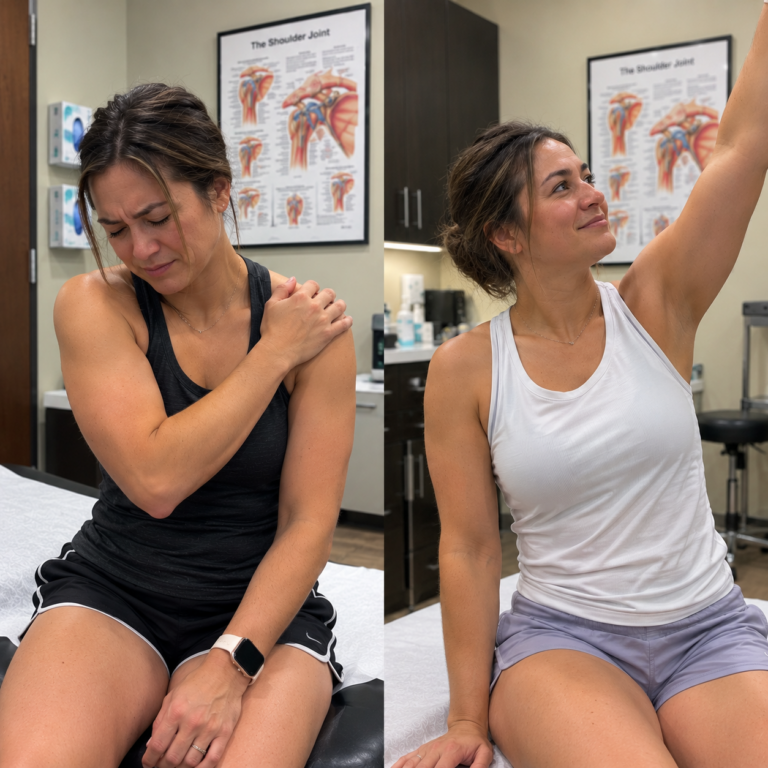
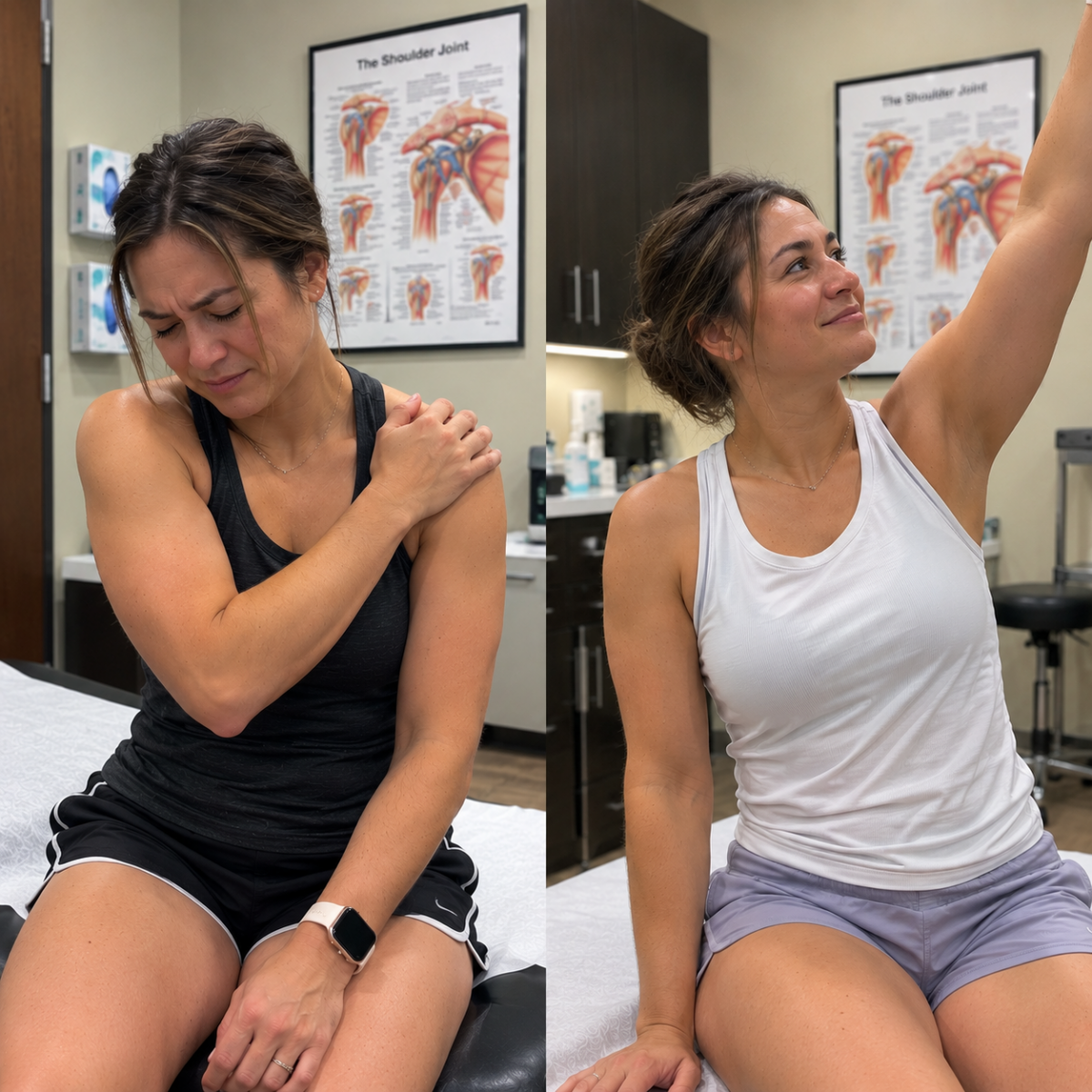
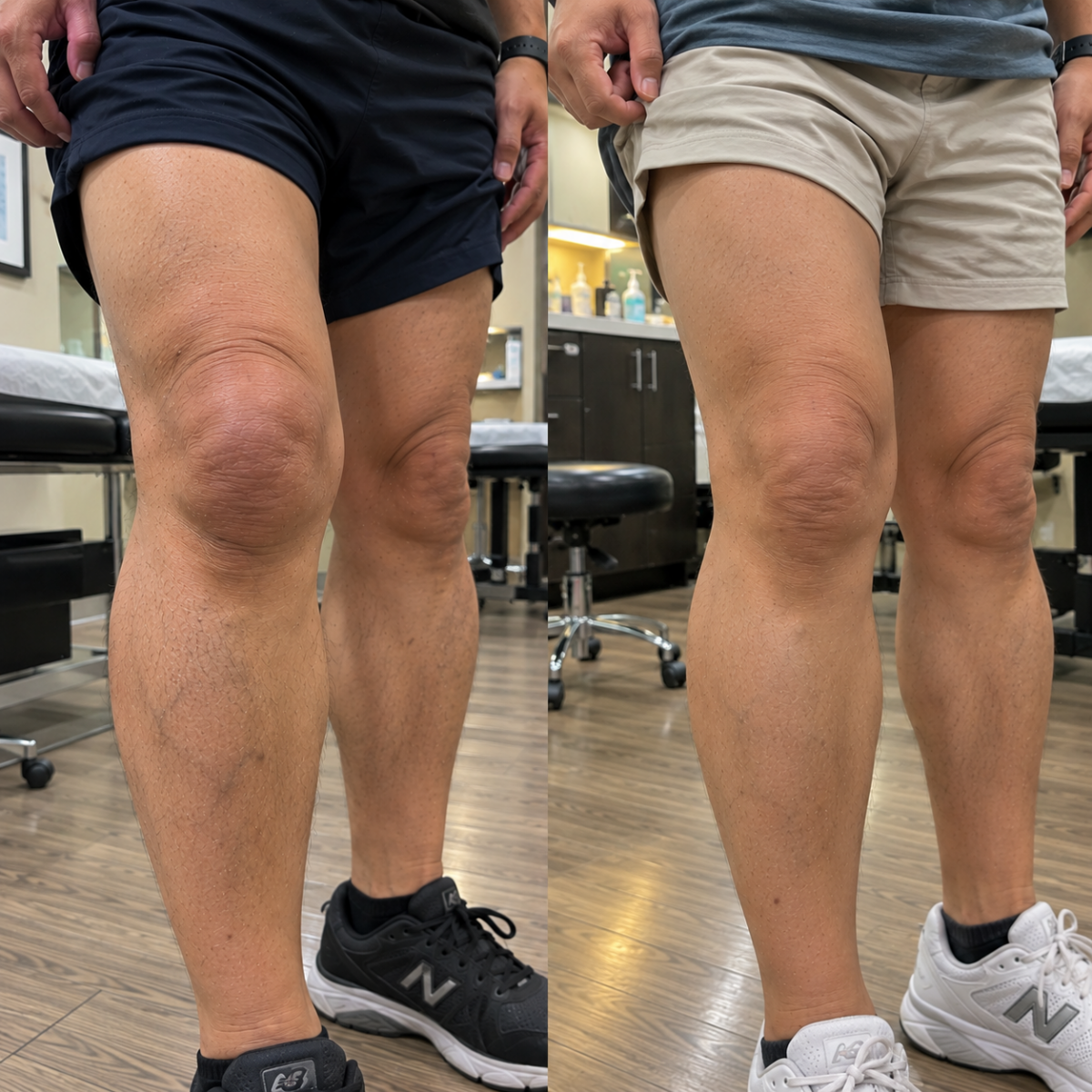
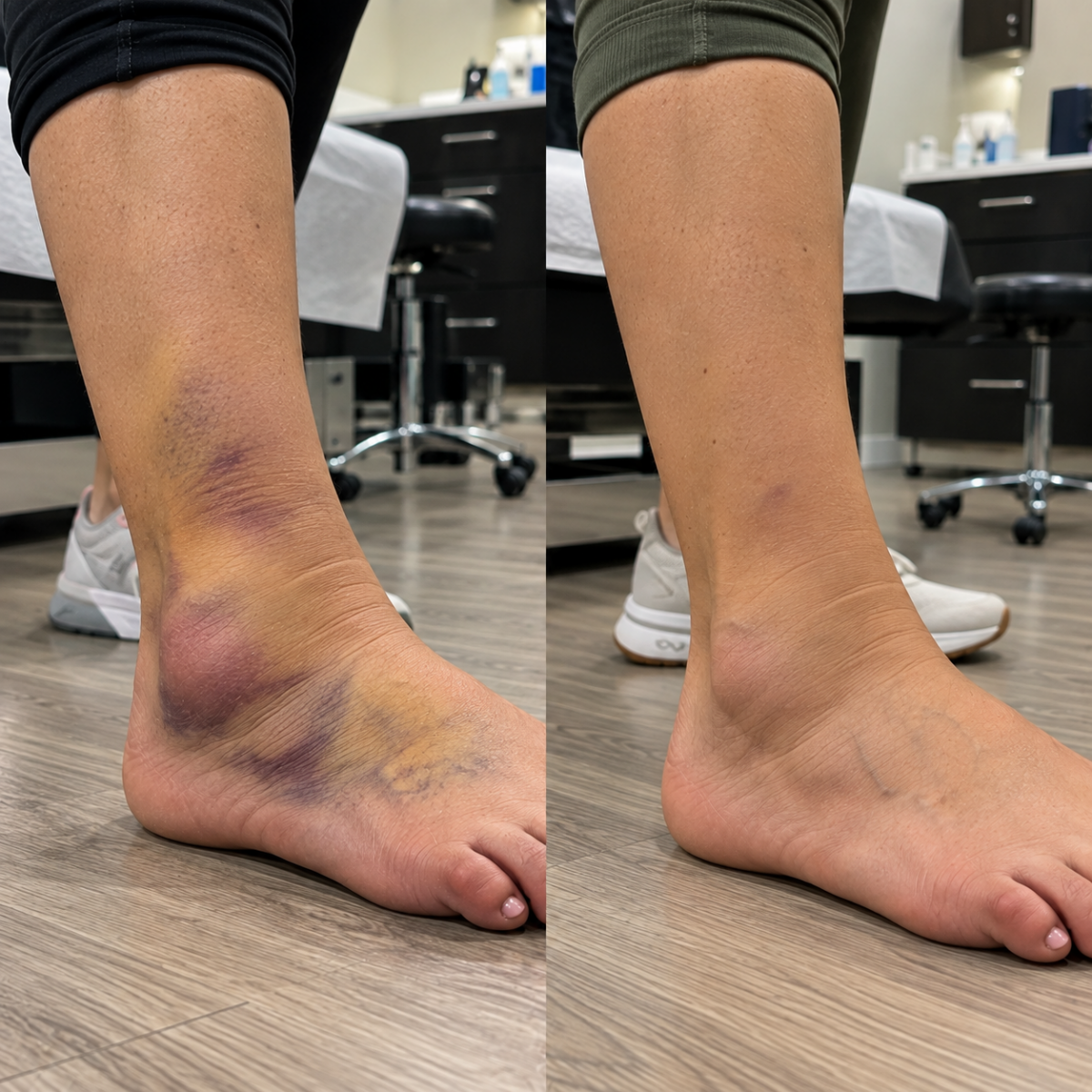
PRP for Sports Injuries Grapevine TX Before and After
Frequently Asked Questions About PRP for Sports Injuries Grapevine TX
It depends on the injury. PRP has shown potential benefits for certain muscle and tendon conditions, but evidence varies considerably. A 2025 systematic review concluded that PRP may help with pain management in injured athletes while emphasizing that stronger evidence is still needed.
Possibly. Recent 2026 research suggests PRP may shorten return-to-sport time for selected acute muscle injuries, although evidence quality remains limited.
Some recent evidence is encouraging. A 2026 meta-analysis found shorter average return-to-play time following PRP for acute hamstring injuries, but the studies were highly variable and evidence certainty was low to moderate.
PRP has been studied for several tendinopathies, but effectiveness varies by tendon and condition. It should not be assumed that evidence for one tendon applies to another.
Current evidence is not convincing. A 2026 meta-analysis found no significant benefit of PRP compared with placebo for chronic Achilles tendinopathy.
PRP should not be advertised as guaranteed to reconnect or completely heal torn muscle or tendon tissue. Major or complete tears may require specialist evaluation or surgery.
Some studies suggest shorter return-to-sport times for selected acute muscle injuries, but this cannot be guaranteed for an individual athlete.
No. PRP is an injectable treatment and does not involve open surgery.
Rehabilitation may remain an important part of recovery. PRP should not be considered a substitute for appropriate strengthening, mobility work, and progressive return to activity.
PRP for Sports Injuries Grapevine TX is an FDA-approved treatment for cosmetic use, widely recognized for its safety and effectiveness (learn more from the FDA).
How to Prepare for PRP Sports Injury Treatment
Before treatment, tell your provider about medications, supplements, allergies, medical conditions, previous injuries, surgeries, previous injections, and your current rehabilitation program.
Also discuss your sport, training schedule, competition demands, and return-to-activity goals.
Follow your provider’s specific preparation instructions.
Do not stop prescription medications, blood thinners, or anti-inflammatory medicines unless the healthcare professional managing those medications specifically tells you to do so.
After PRP for Sports Injuries
Temporary soreness, tenderness, stiffness, or swelling may occur after treatment.
Follow your provider’s individualized instructions regarding activity, exercise, physical therapy, weight training, running, sports participation, medications, and follow-up care.
Do not return to full athletic activity simply because pain has improved. Return-to-sport decisions should consider strength, function, movement, and the underlying injury.
Seek medical attention for severe or worsening pain, significant swelling, fever, increasing redness or warmth, drainage, new numbness or weakness, or other concerning symptoms.
Explore PRP for Sports Injuries in Grapevine TX
Sports injuries can interfere with training, competition, work, and an active lifestyle.
For appropriately selected patients, PRP for Sports Injuries Grapevine TX may be considered as part of an individualized recovery plan for certain muscle, tendon, or joint conditions.
PRP is not appropriate for every injury, and results cannot be guaranteed. Identifying the exact injury is an important first step toward determining whether PRP, rehabilitation, or another treatment is appropriate.