
PRP for Knee Pain Grapevine TX
A Personalized PRP Treatment Option for Selected Knee Conditions
Knee pain can affect nearly every part of daily life, from walking and climbing stairs to exercising, working, and enjoying sports. Depending on the cause, some patients may benefit from nonsurgical treatment options such as platelet-rich plasma therapy.
At Dr. Lift Spa, PRP for Knee Pain Grapevine TX may be considered for appropriately selected patients experiencing certain knee conditions.
PRP is prepared from a small sample of your own blood. The platelets are concentrated and then administered to the selected treatment area. Platelets contain proteins and signaling molecules involved in the body’s normal tissue-response processes.
PRP has been studied extensively for knee osteoarthritis, but outcomes vary and it is not appropriate for every type of knee pain.
What Is PRP for Knee Pain Grapevine TX?
PRP for Knee Pain Grapevine TX is an injectable treatment made from the patient’s own blood.
A blood sample is collected and processed to concentrate platelets. The prepared platelet-rich plasma is then administered according to the patient’s diagnosis and individualized treatment plan.
PRP is sometimes described as an orthobiologic or regenerative treatment because platelets contain biologically active substances involved in normal tissue responses.
However, PRP should not be described as a guaranteed way to regenerate cartilage, rebuild a damaged knee, or cure arthritis.
The goal is generally to help selected patients manage symptoms and improve function.
7 Potential Benefits of PRP for Knee Pain Grapevine TX
For an appropriate candidate, potential benefits may include:
- Uses Your Own Blood – PRP is prepared from the patient’s blood rather than being a synthetic injectable.
- Nonsurgical Treatment Option – Treatment is performed by injection without open surgery.
- May Help Reduce Knee Pain – PRP has been studied particularly for pain associated with knee osteoarthritis.
- May Improve Knee Function – Some patients in clinical studies have experienced improvements in physical function.
- May Support an Active Lifestyle – Reduced symptoms may make everyday movement and appropriate exercise more manageable for some patients.
- Can Complement Rehabilitation – PRP may be incorporated into a broader treatment plan involving physical therapy, strengthening, activity modification, or other care.
- Personalized Treatment Approach – Treatment decisions can consider the patient’s diagnosis, symptoms, health history, activity level, and goals.
Individual results may vary.
What Types of Knee Pain May Be Considered for PRP?
Knee pain is a symptom rather than a diagnosis.
For this reason, the cause of the pain should be evaluated before deciding whether PRP is appropriate.
Depending on the diagnosis and services offered at Dr. Lift Spa, PRP may be considered for selected patients with concerns such as:
- Knee osteoarthritis
- Degenerative knee discomfort
- Sports-related knee concerns
- Certain overuse injuries
- Persistent knee symptoms despite appropriate conservative care
PRP should not automatically be used for every painful knee.
Severe injuries, fractures, complete ligament or tendon tears, advanced structural damage, infection, or other significant knee conditions may require orthopedic or other specialized medical evaluation.
How Does PRP for Knee Pain Grapevine TX Work?
PRP treatment typically begins with a small blood draw.
The blood is processed using a centrifuge or another PRP preparation system to separate and concentrate platelets. The resulting platelet-rich plasma is prepared for administration to the selected knee treatment area.
Platelets release growth factors and other signaling proteins associated with the body’s normal healing and inflammatory responses.
Importantly, different PRP preparation systems can produce different platelet concentrations and compositions. Treatment protocols also vary among clinical studies.
This is one reason PRP results cannot be guaranteed.
PRP for Knee Osteoarthritis
Knee osteoarthritis is one of the most extensively researched applications of PRP for joint-related symptoms.
Osteoarthritis involves degenerative changes within the joint and can cause:
- Knee pain
- Stiffness
- Reduced mobility
- Difficulty climbing stairs
- Discomfort during exercise
- Pain during weight-bearing activities
- Reduced ability to perform everyday activities
Clinical research suggests PRP may improve pain and function in some people with symptomatic knee osteoarthritis. However, results vary across studies, and professional guidance has generally emphasized limitations in the strength and consistency of the evidence.
For this reason, PRP should be presented as a potential treatment option for selected patients, not as a cure for knee osteoarthritis.
Does PRP Regrow Knee Cartilage?
This is an important distinction for your page.
PRP should not be advertised as reliably regrowing lost knee cartilage.
Research commonly evaluates changes in symptoms such as pain and physical function. Improvement in those symptoms does not necessarily mean damaged cartilage has been completely restored.
Patients with substantial structural damage or advanced arthritis may require treatments other than PRP.
PRP for Sports-Related Knee Pain
Knee symptoms are also common among runners, athletes, and physically active adults.
Repetitive loading, sudden changes in activity, previous injuries, and sports-related trauma can all contribute to knee pain.
However, different knee injuries involve different tissues.
Pain may originate from cartilage, tendons, ligaments, menisci, muscles, bone, or other structures around the knee. PRP evidence differs depending on the exact condition.
An appropriate diagnosis is therefore important before considering treatment.
Who Is a Good Candidate for PRP for Knee Pain Grapevine TX?
A potential candidate may be an adult with an appropriately evaluated knee condition who wants to explore nonsurgical treatment options.
During an evaluation, factors may include:
- Cause of knee pain
- Severity of symptoms
- How long symptoms have been present
- Previous injuries
- Previous knee surgery
- Previous treatments
- Medical history
- Current medications
- Activity level
- Treatment goals
- Imaging findings when clinically appropriate
PRP is not suitable for everyone.
Certain blood disorders, active infections, medications, medical conditions, pregnancy, or other factors may affect whether treatment is appropriate.
When Knee Pain Needs Further Medical Evaluation
Some knee symptoms require medical evaluation rather than simply proceeding with an elective PRP treatment.
Seek appropriate medical assessment for symptoms such as significant trauma, inability to bear weight, severe or rapidly increasing swelling, obvious deformity, fever, significant redness or warmth, locking of the knee, major instability, or substantial loss of function.
A correct diagnosis helps determine whether PRP, rehabilitation, orthopedic treatment, or another approach is appropriate.
When Will I See Results From PRP for Knee Pain Grapevine TX?
PRP is not an instant pain-relief treatment.
When improvement occurs, it generally develops gradually. The timeline can vary considerably among patients.
Factors that may influence results include:
- Underlying knee condition
- Severity of joint changes
- Age and overall health
- PRP preparation
- Treatment protocol
- Activity level
- Rehabilitation
- Individual biological response
Some patients may experience meaningful improvement while others may experience little or no benefit.
Individual results may vary.
How Many PRP Knee Treatments Will I Need?
There is no universal PRP schedule that applies to every patient.
Clinical studies have evaluated both single injections and treatment series, and PRP preparations differ considerably.
Your treatment plan should therefore be based on your diagnosis, symptoms, clinical evaluation, and provider’s protocol rather than a predetermined number of injections.
PRP for Knee Pain Cost in Grapevine TX
The price of PRP for Knee Pain in Grapevine TX can depend on the recommended treatment protocol and number of sessions.
Because the cause and severity of knee pain vary among patients, an evaluation should occur before determining an individualized treatment plan.
Contact Dr. Lift Spa for current pricing and treatment availability.
Why Choose Dr. Lift Spa for PRP for Knee Pain Grapevine TX?
PRP treatment should begin with understanding the patient’s symptoms and treatment goals rather than assuming every painful knee needs the same approach.
Dr. Lift Spa provides individualized treatment planning for patients interested in PRP and other wellness services.
When symptoms indicate that orthopedic evaluation, imaging, physical therapy, or another type of medical care may be more appropriate, those options should be considered.
Dr. Lift Spa serves patients from Grapevine, Southlake, Colleyville, Flower Mound, Coppell, Keller, Bedford, Euless, Irving, and surrounding DFW communities.
Save With Dr. Lift Spa Memberships
Dr. Lift Spa offers membership options for patients interested in ongoing aesthetic and wellness services.
Because PRP services, eligibility, and pricing may differ from other treatments, patients should confirm whether their specific PRP treatment is included in or eligible for membership benefits.
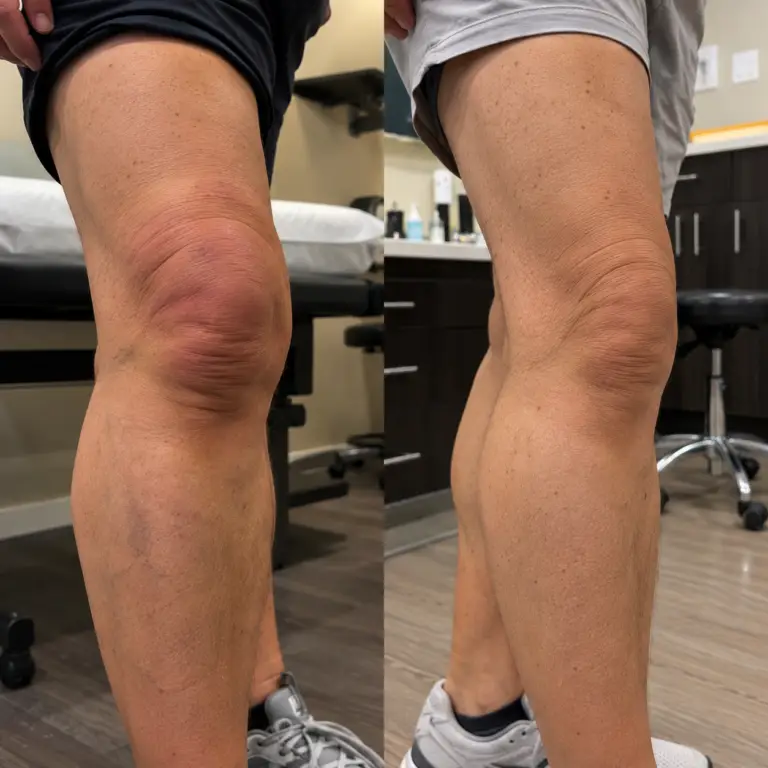
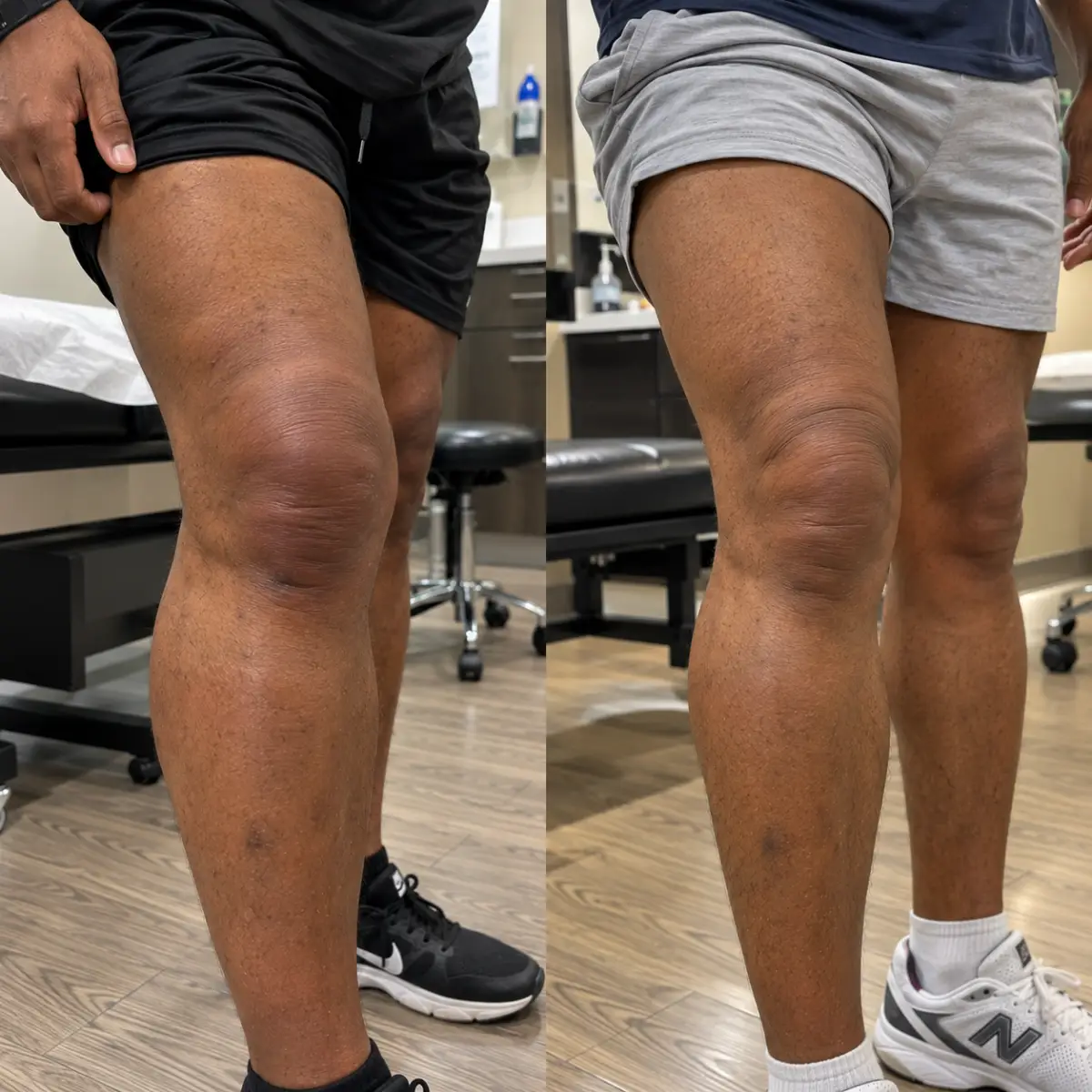
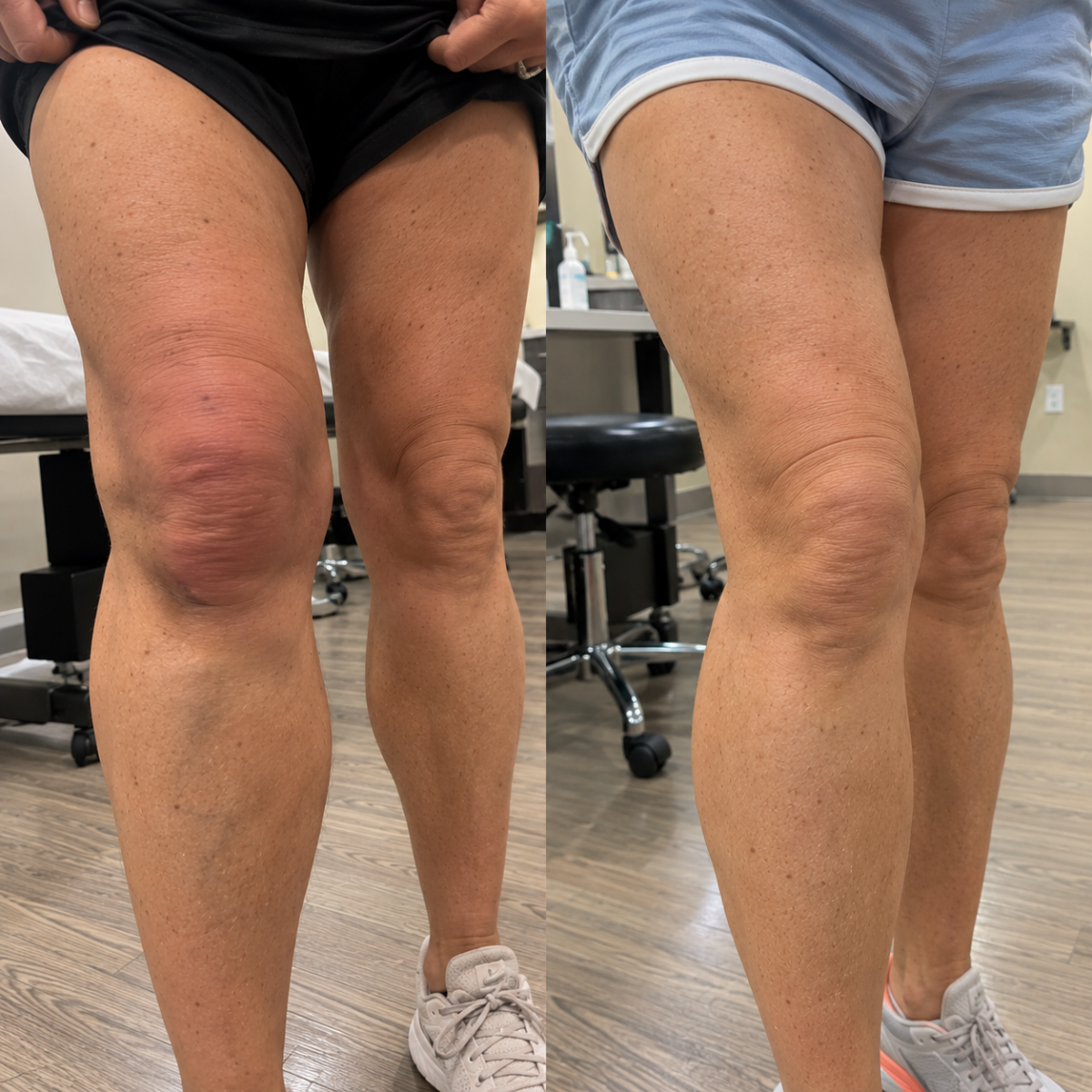
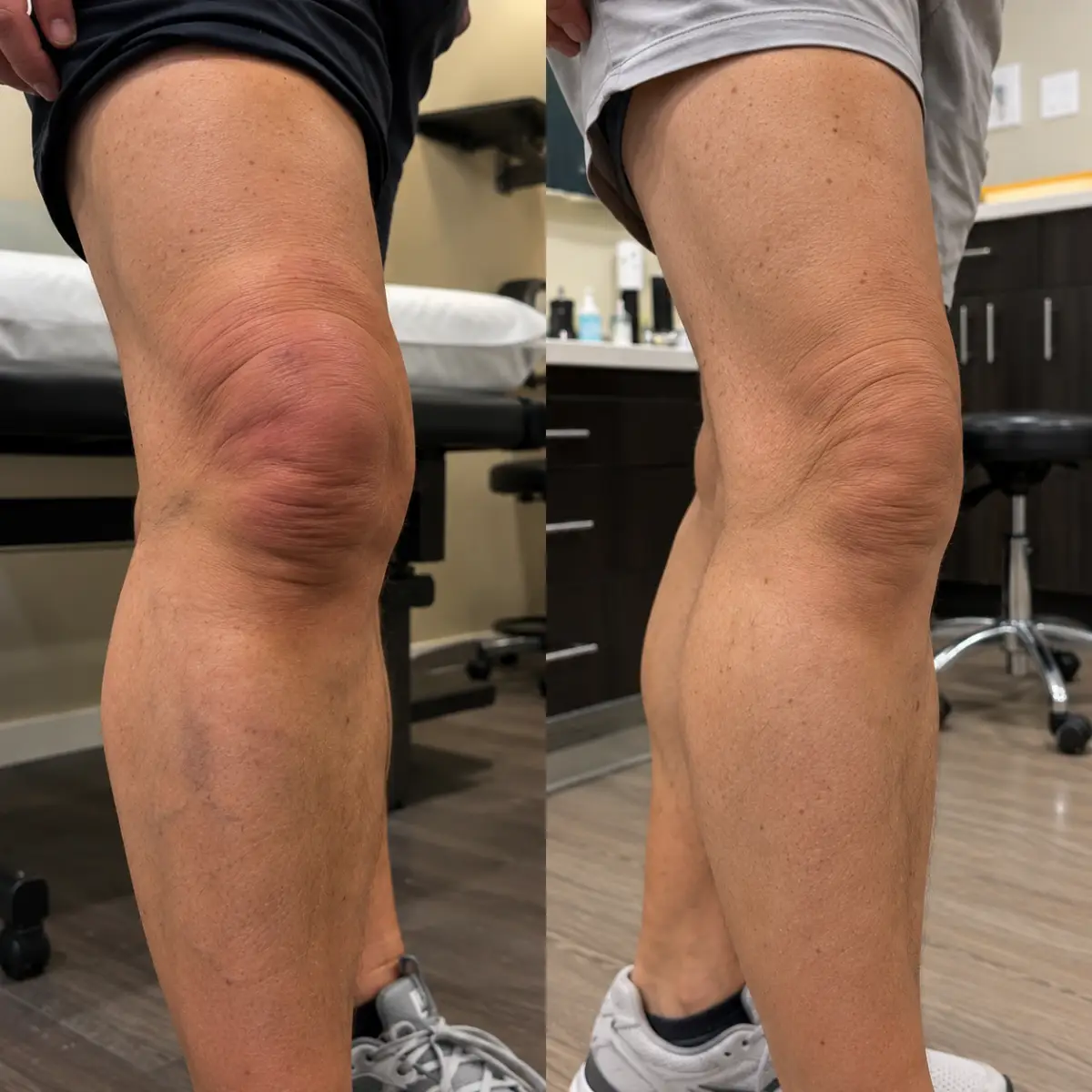
PRP for Knee Pain Grapevine TX Before and After
Frequently Asked Questions About PRP for Knee Pain Grapevine TX
PRP may help some patients, particularly those with certain forms of symptomatic knee osteoarthritis. However, knee pain has many possible causes, and results vary.
PRP has been studied extensively for knee osteoarthritis. Some clinical studies have reported improvements in pain and function, but results are not consistent enough to guarantee improvement for every patient.
No. PRP should not be described as a cure for osteoarthritis. It may help manage symptoms in selected patients, but it does not guarantee reversal of degenerative joint changes.
PRP should not be promoted as reliably rebuilding lost cartilage. Improvements in pain or function do not necessarily mean that cartilage has regenerated.
The appropriate injection depends on the diagnosis, symptoms, medical history, treatment goals, and other factors. PRP and corticosteroid injections work differently, and one should not automatically be considered better for every patient.
PRP results are generally gradual rather than immediate. The timeline varies depending on the condition, treatment protocol, and individual response.
There is no guaranteed duration. Symptom improvement can vary considerably among patients and may be influenced by the severity and progression of the underlying condition.
Patients may experience brief discomfort during the injection as well as temporary soreness, stiffness, or swelling afterward. Experiences vary.
Your provider should give you specific instructions about walking, exercise, rehabilitation, and returning to sports. Avoid assuming that immediate strenuous exercise is appropriate.
PRP for Knee Pain Grapevine TX is an FDA-approved treatment for cosmetic use, widely recognized for its safety and effectiveness (learn more from the FDA).
How to Prepare for PRP Knee Treatment
Before treatment, tell your provider about:
- Prescription medications
- Over-the-counter medications
- Supplements
- Blood-thinning medications
- Allergies
- Previous knee injuries
- Previous surgeries
- Previous injections
- Current medical conditions
Follow your provider’s individualized preparation instructions.
Do not stop prescription medications or anti-inflammatory medicines unless the healthcare professional managing those medications specifically tells you to do so.
After PRP for Knee Pain Grapevine TX
Temporary soreness, tenderness, swelling, or stiffness may occur after a PRP injection.
Follow your provider’s instructions regarding physical activity, rehabilitation, medications, exercise, and follow-up care.
Contact your healthcare provider promptly if you experience severe or worsening pain, significant swelling, fever, increasing redness or warmth, drainage, or other concerning symptoms.
Explore PRP for Knee Pain in Grapevine TX
Living with knee pain can interfere with work, exercise, sports, and everyday activities.
For appropriately selected patients, PRP for Knee Pain Grapevine TX may provide a nonsurgical option to consider as part of an individualized treatment plan.
PRP is not appropriate for every knee condition, and results cannot be guaranteed. The first step is determining what is causing your knee symptoms and whether PRP is a reasonable option for you.