
PRP for Knee Osteoarthritis Grapevine TX
A Nonsurgical PRP Option for Selected Patients With Knee Osteoarthritis
Knee osteoarthritis can make walking, climbing stairs, exercising, and other everyday activities uncomfortable. As the condition progresses, patients may experience pain, stiffness, reduced mobility, and difficulty staying active.
At Dr. Lift Spa, PRP for Knee Osteoarthritis Grapevine TX may be considered for appropriately selected patients looking for a nonsurgical option to help manage symptoms.
Platelet-rich plasma, or PRP, is prepared from a patient’s own blood. After processing, the concentrated platelet-containing plasma is administered to the treatment area according to the patient’s individualized plan.
The American Academy of Orthopaedic Surgeons states that PRP may reduce pain and improve function in patients with symptomatic knee osteoarthritis, although its recommendation is rated limited because the available research remains variable.
What Is Knee Osteoarthritis Grapevine TX?
Knee osteoarthritis is a degenerative joint condition involving changes to cartilage and other structures within the knee.
Healthy cartilage helps the surfaces of the joint move smoothly. With osteoarthritis, cartilage and other joint tissues undergo changes that can contribute to pain, stiffness, and reduced function.
Common symptoms can include:
- Knee pain during activity
- Morning or after-rest stiffness
- Reduced range of motion
- Difficulty climbing stairs
- Discomfort when walking
- Swelling
- Reduced ability to exercise
- Grinding or other joint sensations
Symptoms and structural changes can range from mild to advanced.
A proper diagnosis is important because not every case of knee pain is caused by osteoarthritis.
What Is PRP for Knee Osteoarthritis Grapevine TX?
PRP for Knee Osteoarthritis Grapevine TX uses platelet-rich plasma prepared from a sample of the patient’s own blood.
The blood is processed to produce plasma with a concentrated amount of platelets. The prepared PRP is then administered according to the patient’s diagnosis and treatment plan.
Platelets contain growth factors and other biologically active molecules involved in normal tissue and inflammatory responses.
PRP is sometimes described as an orthobiologic or regenerative treatment. However, this terminology should not be interpreted to mean that PRP reliably regrows lost cartilage or reverses osteoarthritis.
Clinical research primarily evaluates outcomes such as pain and physical function.
7 Potential Benefits of PRP for Knee Osteoarthritis Grapevine TX
For appropriately selected patients, potential advantages include:
- May Help Reduce Knee Pain – Some clinical trials and systematic reviews report improvements in pain following PRP injections.
- May Improve Knee Function – PRP has also been associated with functional improvement in some patients with knee osteoarthritis.
- Nonsurgical Treatment – PRP is delivered by injection rather than open surgery.
- Uses Your Own Blood – PRP is an autologous preparation derived from the patient’s blood.
- May Support Everyday Mobility – When symptoms improve, some patients may find walking, stairs, exercise, and everyday activities easier.
- Can Complement a Broader Treatment Plan – PRP may be considered alongside appropriate exercise, strengthening, weight management, physical therapy, or other medical care.
- Individualized Approach – Treatment can be considered according to osteoarthritis severity, symptoms, health history, activity level, and treatment goals.
Recent systematic reviews continue to report potential improvements in pain and function, but the size and duration of benefit vary considerably between studies.
Individual results may vary.
How Does PRP for Knee Osteoarthritis Grapevine TX Work?
PRP treatment begins with a blood draw.
The blood is processed using a centrifuge or another PRP preparation system to concentrate platelets within the plasma.
The prepared PRP can then be administered into the knee according to the treatment protocol.
Platelets release signaling molecules that participate in normal tissue responses. Researchers continue to study how these components may influence the environment inside an osteoarthritic knee.
Importantly, not all PRP is the same.
Preparation methods, platelet concentrations, leukocyte content, injection schedules, and other variables differ among studies and clinical protocols. Recent research suggests PRP composition and platelet concentration may influence clinical outcomes.
Can PRP Reduce Knee Osteoarthritis Grapevine TX Pain?
Research suggests PRP may reduce symptoms in some people with knee osteoarthritis, but results are not uniform.
The current AAOS guideline states that PRP may reduce pain and improve function in symptomatic knee osteoarthritis, but assigns the recommendation limited strength.
A 2025 placebo-controlled systematic review and meta-analysis involving 11 randomized trials and 1,616 patients found improvement favoring PRP for pain at three and six months, but not at 12 months. The authors characterized the overall efficacy as weak and questioned its clinical relevance.
Other recent meta-analyses have reported more favorable results, illustrating why patients should understand that the evidence remains variable.
PRP should therefore be described as a potential symptom-management option, not a guaranteed treatment.
Does PRP Regrow Knee Cartilage?
This is one of the most important questions to address on this page.
PRP should not be advertised as reliably regrowing cartilage.
A patient may experience improvements in pain or function without having their lost cartilage restored.
Likewise, improvement after an injection does not mean that osteoarthritis has disappeared.
The goal of PRP treatment is generally symptom and functional improvement in appropriately selected patients—not guaranteed reconstruction of a damaged knee.
Does PRP Cure Knee Osteoarthritis Grapevine TX?
No.
Knee osteoarthritis is a chronic degenerative joint condition, and PRP should not be presented as a cure.
PRP may help some patients manage symptoms, but it cannot guarantee that osteoarthritis will stop progressing.
Patients with more advanced disease may need other nonsurgical treatments or orthopedic evaluation.
Mild to Moderate Knee Osteoarthritis and PRP
PRP research frequently includes patients with mild-to-moderate knee osteoarthritis.
Some recent analyses suggest treatment outcomes may vary according to disease severity, PRP formulation, platelet concentration, and other patient-specific factors.
This does not mean every patient with early osteoarthritis is automatically a good PRP candidate.
Clinical evaluation remains necessary.
PRP for Advanced Knee Osteoarthritis Grapevine TX
Patients with advanced osteoarthritis can experience substantial cartilage loss, deformity, reduced mobility, and persistent pain.
PRP should not be promoted as an alternative to knee replacement for every patient with advanced disease.
The AAOS evidence review found mixed results in studies that included severe osteoarthritis.
When significant structural damage is present, orthopedic evaluation may be more appropriate.
Who Is a Good Candidate for PRP for Knee Osteoarthritis Grapevine TX?
Potential candidates may include adults with diagnosed symptomatic knee osteoarthritis who want to explore nonsurgical treatment options.
An evaluation may consider:
- Severity of osteoarthritis
- Pain level
- Joint function
- Duration of symptoms
- Previous treatments
- Previous knee injuries
- Previous surgery
- Medical history
- Current medications
- Activity level
- Treatment goals
- Imaging findings when appropriate
PRP is not suitable for every patient.
Certain blood disorders, active infections, medications, pregnancy, or other medical factors may affect eligibility.
When Should Knee Symptoms Receive Further Evaluation?
PRP should not automatically be used whenever a knee hurts.
Prompt medical assessment may be appropriate for:
- Severe or rapidly worsening pain
- Significant trauma
- Inability to bear weight
- Major swelling
- Joint deformity
- Fever
- Significant redness or warmth
- Knee locking
- Major instability
- Sudden loss of function
These symptoms may indicate a condition requiring different evaluation or treatment.
When Will I See Results From PRP?
PRP is not an instant treatment.
When improvement occurs, patients may notice changes gradually over the weeks and months following treatment.
Research has measured outcomes at different intervals, including three, six, and twelve months. Results vary substantially among studies and individual patients. One recent placebo-controlled meta-analysis found benefits at earlier follow-up but did not demonstrate efficacy at 12 months.
Factors that may affect results include osteoarthritis severity, age, activity, overall health, PRP formulation, treatment protocol, rehabilitation, and individual biological response.
Individual results may vary.
How Many PRP Treatments Are Needed?
There is no universally accepted PRP treatment schedule for knee osteoarthritis.
Studies have evaluated different numbers of injections, treatment intervals, platelet concentrations, and PRP formulations. Recent reviews continue to investigate which preparation and dosing strategies may produce better outcomes.
Your treatment plan should therefore be individualized rather than based on a guaranteed number of injections.
PRP vs. Other Knee Osteoarthritis Treatments
PRP is only one option for managing knee osteoarthritis.
Depending on the patient’s condition, treatment may also involve:
- Exercise and strengthening
- Physical therapy
- Weight management when appropriate
- Activity modification
- Medications
- Other injections
- Assistive devices
- Orthopedic treatment
- Surgery for appropriate advanced cases
The appropriate approach depends on the patient’s diagnosis, symptoms, disease severity, overall health, and goals.
PRP for Knee Osteoarthritis Cost in Grapevine TX
The cost of PRP for Knee Osteoarthritis in Grapevine TX depends on the recommended treatment protocol and number of treatments.
An evaluation can help determine whether PRP is appropriate before creating an individualized treatment plan.
Contact Dr. Lift Spa for current PRP pricing and availability.
Why Choose Dr. Lift Spa for PRP in Grapevine TX?
PRP treatment should be personalized to the patient’s symptoms, diagnosis, medical history, and goals.
Dr. Lift Spa takes an individualized approach when determining whether PRP may be an appropriate option.
When knee symptoms require imaging, orthopedic evaluation, physical therapy, surgery, or another type of specialized care, those options should be considered rather than assuming PRP is appropriate for every patient.
Dr. Lift Spa serves patients from Grapevine, Southlake, Colleyville, Flower Mound, Coppell, Keller, Bedford, Euless, Irving, and surrounding DFW communities.
Save With Dr. Lift Spa Memberships
Dr. Lift Spa offers membership options for ongoing aesthetic and wellness services.
PRP treatment eligibility, pricing, and membership benefits may differ from other services. Patients should confirm whether their specific PRP treatment qualifies for membership benefits.
PRP for Knee Osteoarthritis Grapevine TX Before and After
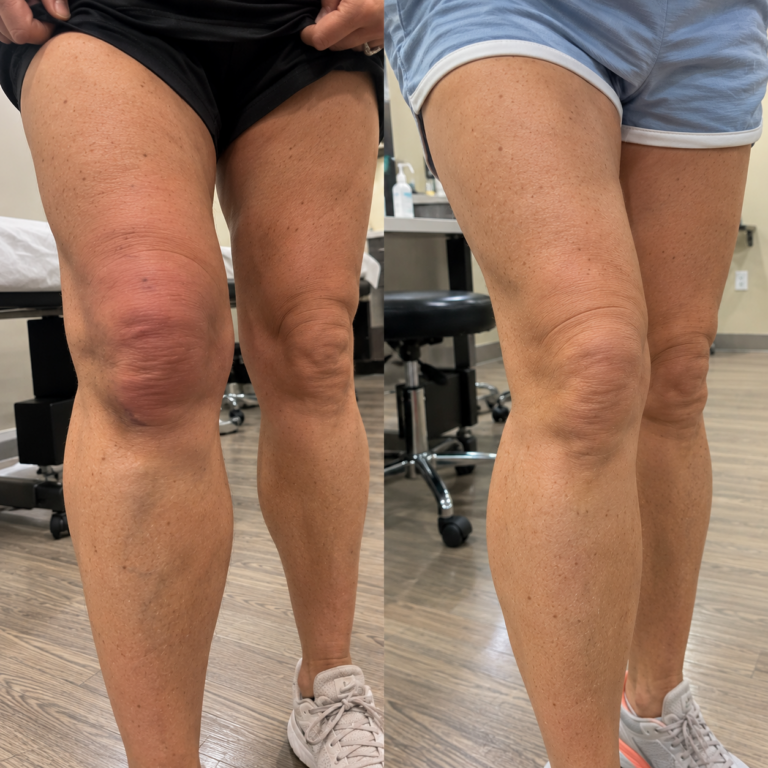
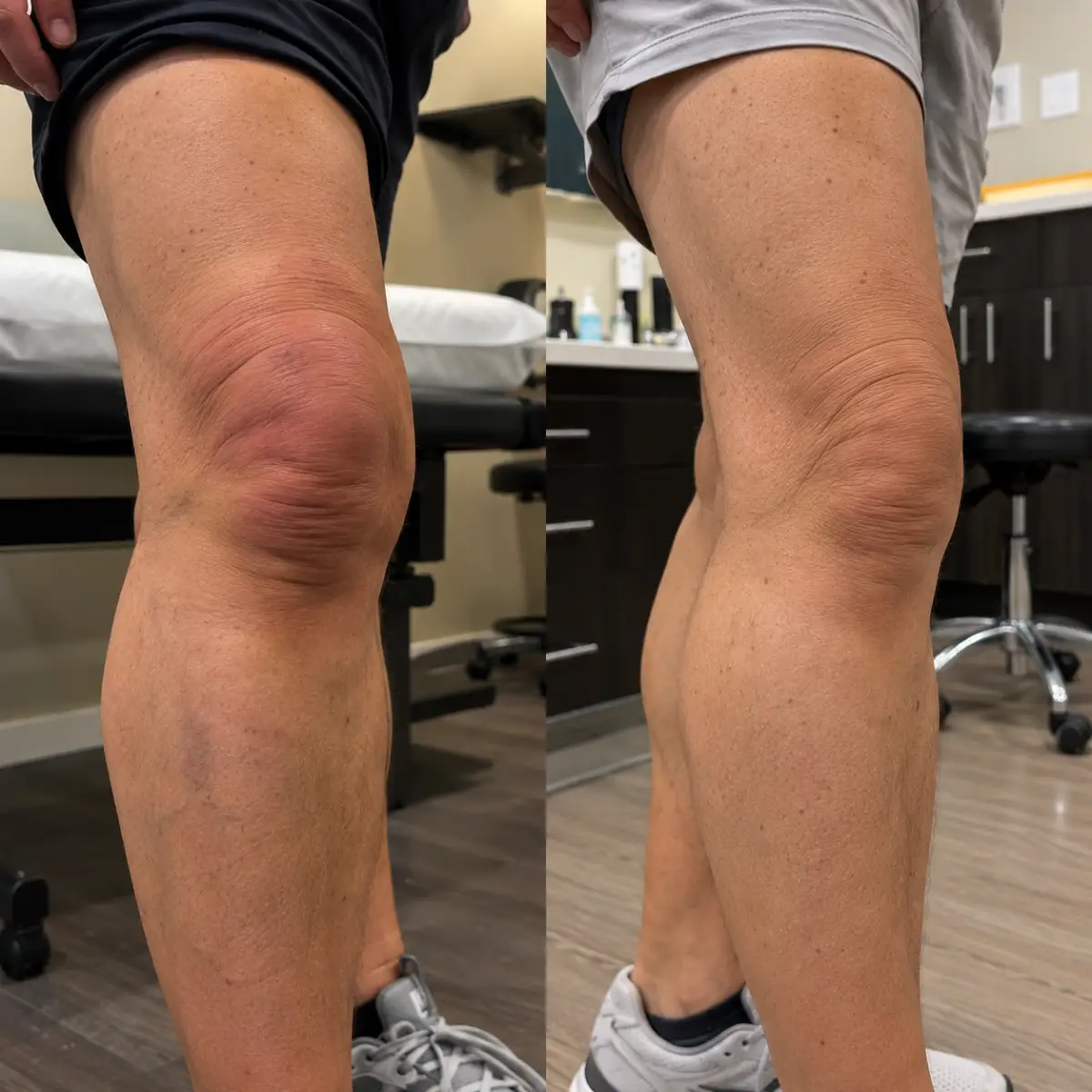
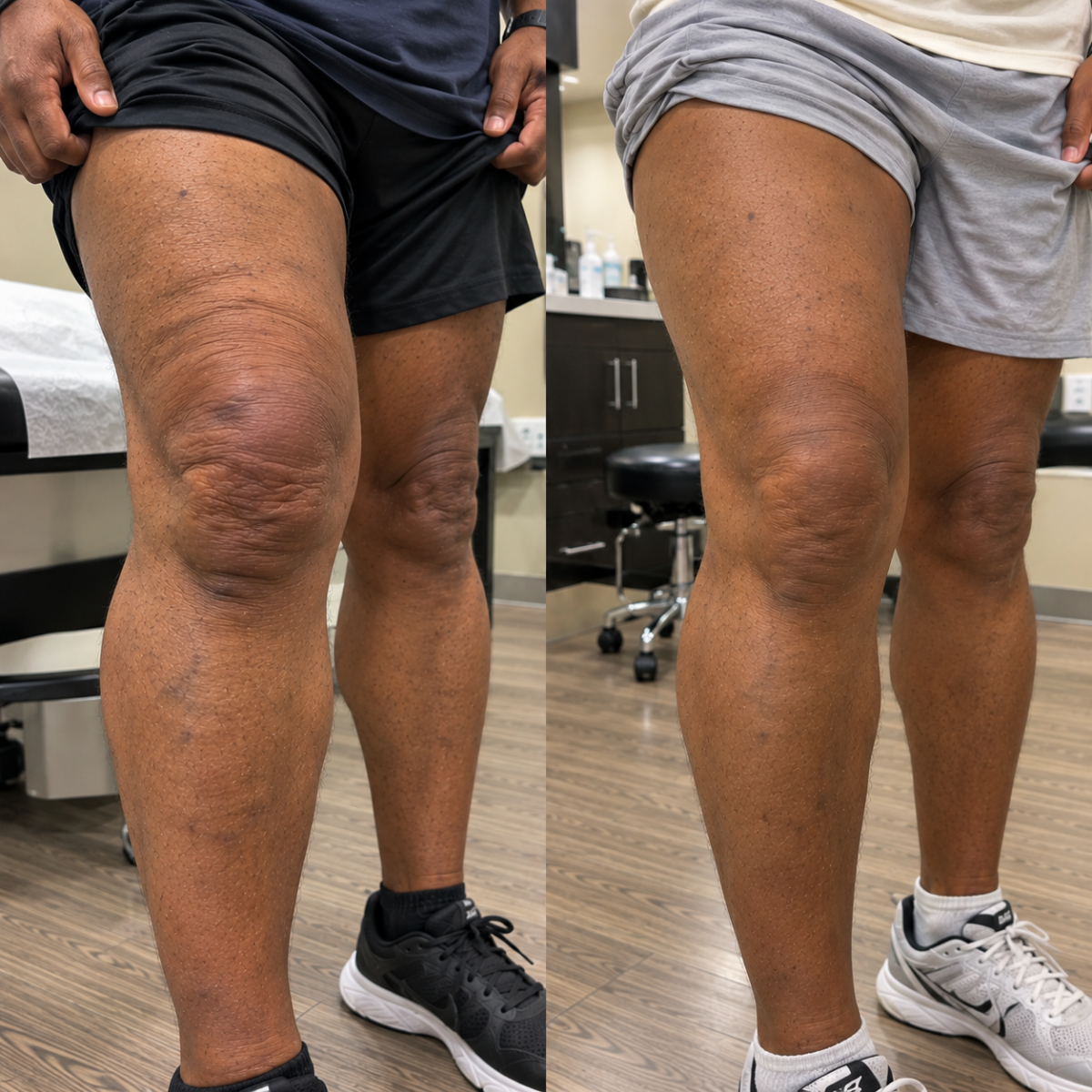
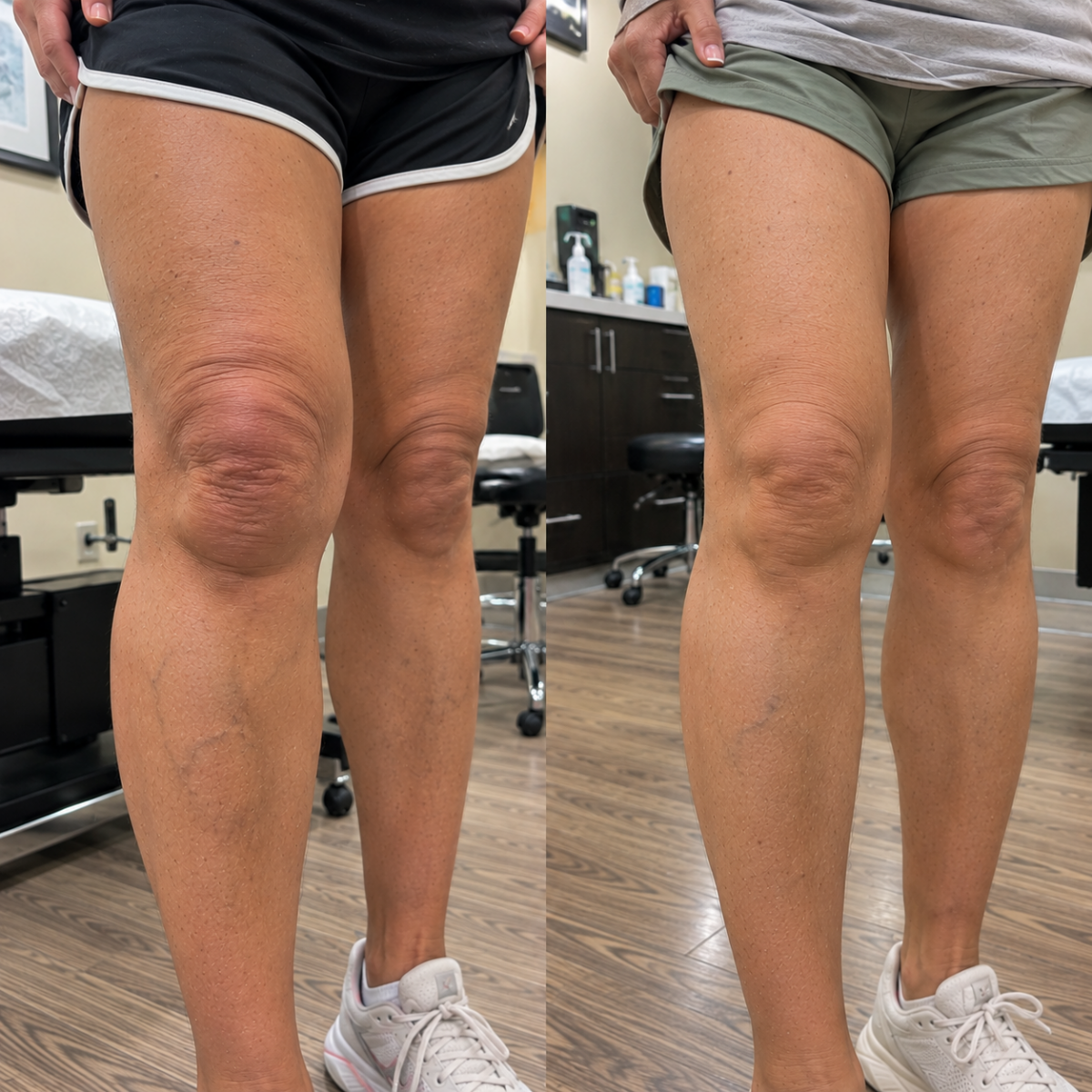
PRP for Knee Osteoarthritis Grapevine TX is an FDA-approved treatment for cosmetic use, widely recognized for its safety and effectiveness (learn more from the FDA).
Frequently Asked Questions About PRP for Knee Osteoarthritis
PRP may reduce pain and improve function in some patients with symptomatic knee osteoarthritis. However, research findings vary, and AAOS currently rates its recommendation as limited.
No. PRP should not be advertised as a cure for knee osteoarthritis.
PRP should not be promoted as reliably regrowing lost knee cartilage. Research primarily supports evaluating changes in symptoms and function rather than promising structural regeneration.
Some research suggests disease severity may influence outcomes, with mild-to-moderate osteoarthritis commonly represented in PRP studies. However, individual results remain variable
When improvement occurs, it is generally gradual rather than immediate. Clinical studies commonly assess patients over several months.
There is no guaranteed duration. One 2025 placebo-controlled meta-analysis found benefits at earlier follow-up but not at 12 months, while other studies and reviews have reported different results.
There is no single protocol appropriate for every patient. Studies have used different PRP formulations, doses, and injection schedules.
Patients may experience brief discomfort during injection and temporary soreness, stiffness, or swelling afterward.
PRP should not be promised to prevent or permanently delay knee replacement. Patients with advanced osteoarthritis may still require orthopedic evaluation and surgical treatment.
How to Prepare for PRP Knee Treatment
Before treatment, tell your provider about your medications, supplements, allergies, medical conditions, previous knee injuries, surgeries, injections, and other relevant treatments.
Follow your provider’s specific instructions before your appointment.
Do not stop prescription medications, blood thinners, or anti-inflammatory medicines unless the healthcare professional managing them specifically instructs you to do so.
After PRP for Knee Osteoarthritis Grapevine TX
Temporary soreness, swelling, stiffness, or tenderness may occur after treatment.
Follow your provider’s instructions regarding:
- Walking and activity
- Exercise
- Physical therapy
- Return to sports
- Medications
- Follow-up care
Contact a healthcare professional for severe or worsening pain, significant swelling, fever, increasing redness or warmth, drainage, or other concerning symptoms.
Explore PRP for Knee Osteoarthritis in Grapevine TX
Knee osteoarthritis can affect mobility, exercise, work, and everyday activities.
For appropriately selected patients, PRP for Knee Osteoarthritis Grapevine TX may be considered as one nonsurgical option for managing symptoms and improving function.
PRP is not a cure for osteoarthritis and cannot guarantee cartilage regeneration or permanent relief. An individualized evaluation can help determine whether PRP is appropriate for your knee condition.