
PRP for Hip Pain Grapevine TX
A Personalized, Nonsurgical Option for Selected Hip Conditions
Hip pain can make walking, climbing stairs, exercising, and everyday activities uncomfortable. Whether your symptoms developed gradually or started after an injury, persistent hip discomfort can affect your mobility and quality of life.
PRP for Hip Pain Grapevine TX is an injectable treatment option that uses platelet-rich plasma prepared from your own blood. PRP has been studied for certain hip-related conditions, including hip osteoarthritis and selected tendon problems.
PRP contains concentrated platelets and signaling proteins involved in the body’s normal tissue-response processes. However, its effectiveness for hip pain remains uncertain, and it is not appropriate for every hip condition.
At Dr. Lift Spa, patients interested in PRP can inquire about service availability and whether an individualized evaluation is appropriate.
What Is PRP for Hip Pain Grapevine TX?
PRP for Hip Pain Grapevine TX involves using platelet-rich plasma prepared from a small sample of a patient’s blood.
The blood is processed using a centrifuge to separate and concentrate platelets within the plasma.
If clinically appropriate, the resulting PRP preparation may be injected into a specific hip-related treatment area by a qualified healthcare professional.
PRP has been investigated for hip osteoarthritis and some tendon-related conditions, but results vary depending on the diagnosis and treatment protocol.
It is important to understand that PRP is not proven to regenerate hip cartilage, reverse arthritis, or permanently cure hip pain.
Seven Potential Benefits of PRP for Hip Pain Grapevine TX
Uses Your Own Blood: PRP is prepared from the patient’s own blood rather than donor material.
Nonsurgical Procedure: PRP is administered through an injection without open surgery.
May Help Some Patients Manage Pain: Certain studies report symptom improvement in selected hip conditions, although the evidence remains inconsistent.
May Support Better Daily Function: Some patients may experience improvements in walking and everyday activities, but benefits are not guaranteed.
Can Be Considered Within a Broader Treatment Plan: PRP may be discussed alongside other appropriate nonsurgical options.
Individualized Treatment: Treatment decisions can account for the diagnosis, medical history, activity level, and treatment goals.
May Be an Option to Discuss After Conservative Care: For selected patients with persistent symptoms, PRP may be considered after an evaluation of established treatments and available evidence.
Individual results may vary. These are potential characteristics and possible benefits, not guaranteed treatment outcomes.
What Hip Conditions Have Been Studied With PRP?
Hip pain is a symptom rather than a single diagnosis. Different hip conditions require different treatments.
PRP has been investigated for selected conditions, including:
Hip osteoarthritis: Degenerative joint changes that may cause groin pain, stiffness, and difficulty walking.
Gluteal tendinopathy: Tendon-related pain commonly felt along the outside of the hip.
Greater trochanteric pain syndrome: A condition involving lateral hip pain, often associated with gluteal tendon problems.
Selected sports-related tendon conditions: Some tendon injuries around the hip have been investigated in PRP research.
PRP is not an established treatment for every cause of hip pain.
Hip fractures, infections, severe structural injuries, certain nerve conditions, and other medical problems may require urgent or specialized care.
How Does PRP for Hip Pain Grapevine TX Work?
The general PRP procedure involves four stages.
Step 1: Clinical Evaluation
A healthcare professional assesses the location, duration, and possible cause of the hip pain. Examination and imaging may be necessary to establish a diagnosis.
Step 2: Blood Collection
A small sample of the patient’s blood is collected.
Step 3: PRP Preparation
The blood is processed to concentrate platelets within the plasma.
Step 4: Treatment and Recovery
If PRP is appropriate, it is administered to the selected treatment area. Hip joint and deeper tendon injections may require imaging guidance for accurate placement.
The patient then follows individualized recovery and rehabilitation instructions.
How PRP May Affect Hip Joint and Tendon Tissue
Platelets contain growth factors and signaling molecules involved in normal biological responses to tissue injury.
Researchers have investigated whether concentrated platelets may influence pain and tissue-related processes in joints and tendons.
However, these proposed biological effects do not establish that PRP can rebuild damaged hip cartilage or repair torn tendons.
Different PRP preparation methods, platelet concentrations, injection techniques, and treatment schedules may also produce different clinical outcomes.
Who Is a Good Candidate for PRP for Hip Pain Grapevine TX?
PRP may be discussed with selected adults who have a diagnosed hip condition and are exploring nonsurgical treatment options.
An evaluation should consider:
Location and severity of hip pain
Duration of symptoms
Underlying diagnosis
Previous treatments
Walking ability and range of motion
Imaging findings, when appropriate
Medical conditions and medications
Activity level and treatment goals
PRP may not be suitable for patients with active infections, certain blood disorders, or other conditions that increase procedural risks.
Patients with suspected fractures, severe weakness, significant injuries, or other concerning symptoms may need orthopedic or urgent medical evaluation.
PRP for Hip Osteoarthritis Grapevine TX
Hip osteoarthritis occurs when changes in the joint contribute to pain, stiffness, and reduced movement.
Common symptoms include groin pain, hip stiffness after sitting, discomfort while walking, and difficulty getting in or out of a car.
PRP injections have been investigated as a possible treatment for hip osteoarthritis.
A 2025 systematic review found that PRP and hyaluronic acid injections produced varying outcomes, with no consistent advantage for PRP across all pain measures. The authors emphasized differences between studies and the need for further research.
A 2026 systematic review also described PRP’s effectiveness for hip osteoarthritis as inconclusive because preparation and administration methods vary.
PRP is not a proven cure for hip osteoarthritis and should not be advertised as rebuilding damaged cartilage.
PRP for Hip Tendon Pain Grapevine TX
Some hip pain comes from the tendons surrounding the joint rather than the joint itself.
One example is gluteal tendinopathy, which can cause pain along the outside of the hip, particularly when lying on the affected side, climbing stairs, or walking.
PRP has been investigated for selected tendon conditions, but evidence from other tendons cannot automatically be applied to gluteal tendinopathy.
A diagnosis is important because hip tendon pain, arthritis, bursitis, and referred pain from the lower back can have similar symptoms.
Appropriate rehabilitation and progressive strengthening remain important treatment considerations.
PRP for Hip Pain Grapevine TX Results Timeline
PRP does not provide immediate or guaranteed pain relief.
When improvement occurs, patients may notice changes over several weeks or months.
Research has assessed hip osteoarthritis outcomes at different intervals, including one, three, six, and 12 months. Some studies report improvement after PRP, but improvements can also occur with comparison treatments.
Individual results may vary.
How Many PRP Treatments Are Needed for Hip Pain?
There is no standard number of PRP injections for every hip condition.
Research protocols differ, and studies have investigated both single and multiple injections.
The number of treatments should not be predetermined without an appropriate diagnosis and clinical evaluation.
Additional injections are not guaranteed to provide additional benefits.
PRP for Hip Pain Cost in Grapevine TX
The cost of PRP for Hip Pain in Grapevine TX may depend on the condition being treated, PRP preparation method, injection technique, and recommended treatment plan.
Some procedures may require imaging guidance or specialist evaluation.
Contact Dr. Lift Spa to confirm whether hip PRP services are available and to request current pricing.
Why Choose Dr. Lift Spa in Grapevine TX?
Hip pain can have several causes, and identifying the underlying condition is essential before choosing a treatment.
Dr. Lift Spa provides a point of contact for patients interested in learning about available aesthetic and wellness services, including PRP-related options.
Patients should receive clear information about treatment suitability, limitations, expected outcomes, and alternatives before proceeding with any injection.
Dr. Lift Spa serves the Grapevine area and surrounding communities, including Southlake, Colleyville, Flower Mound, Keller, Bedford, Euless, Coppell, Irving, and the greater Dallas–Fort Worth area.
Save With Dr. Lift Spa Memberships
Dr. Lift Spa offers membership options for eligible aesthetic and wellness services.
PRP treatments may have separate pricing or eligibility requirements. Confirm whether hip-related PRP procedures are available and whether membership benefits apply.
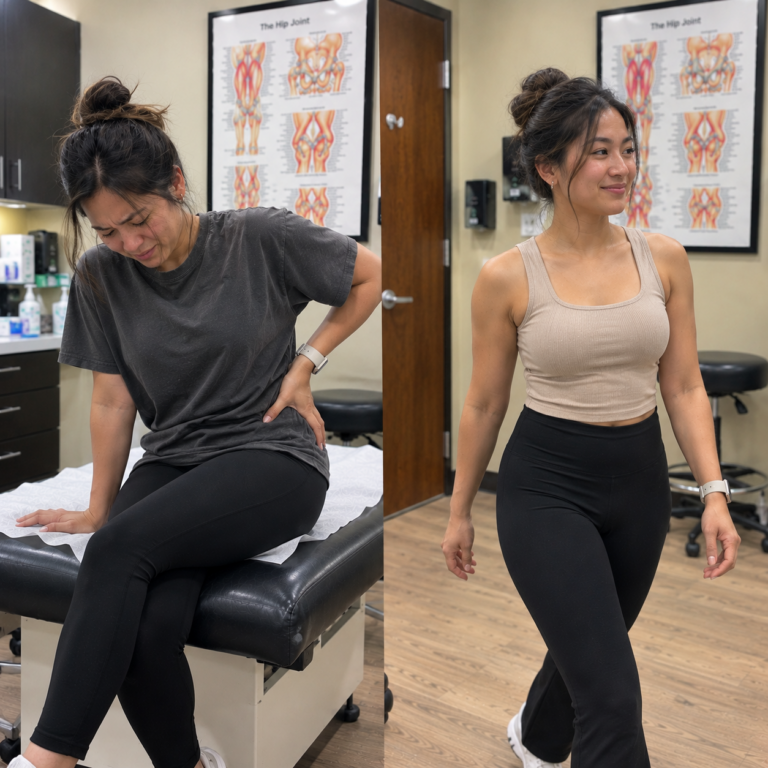
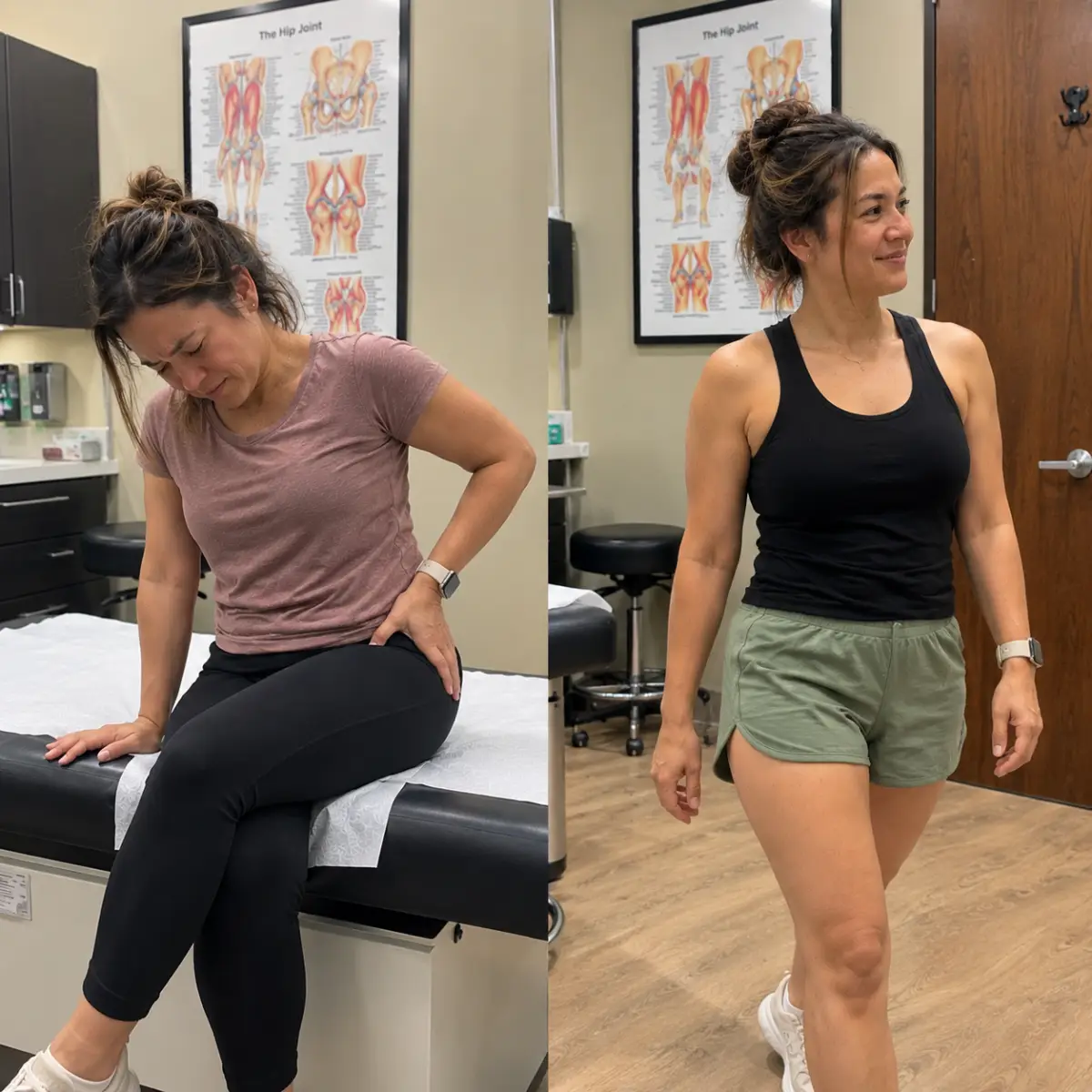
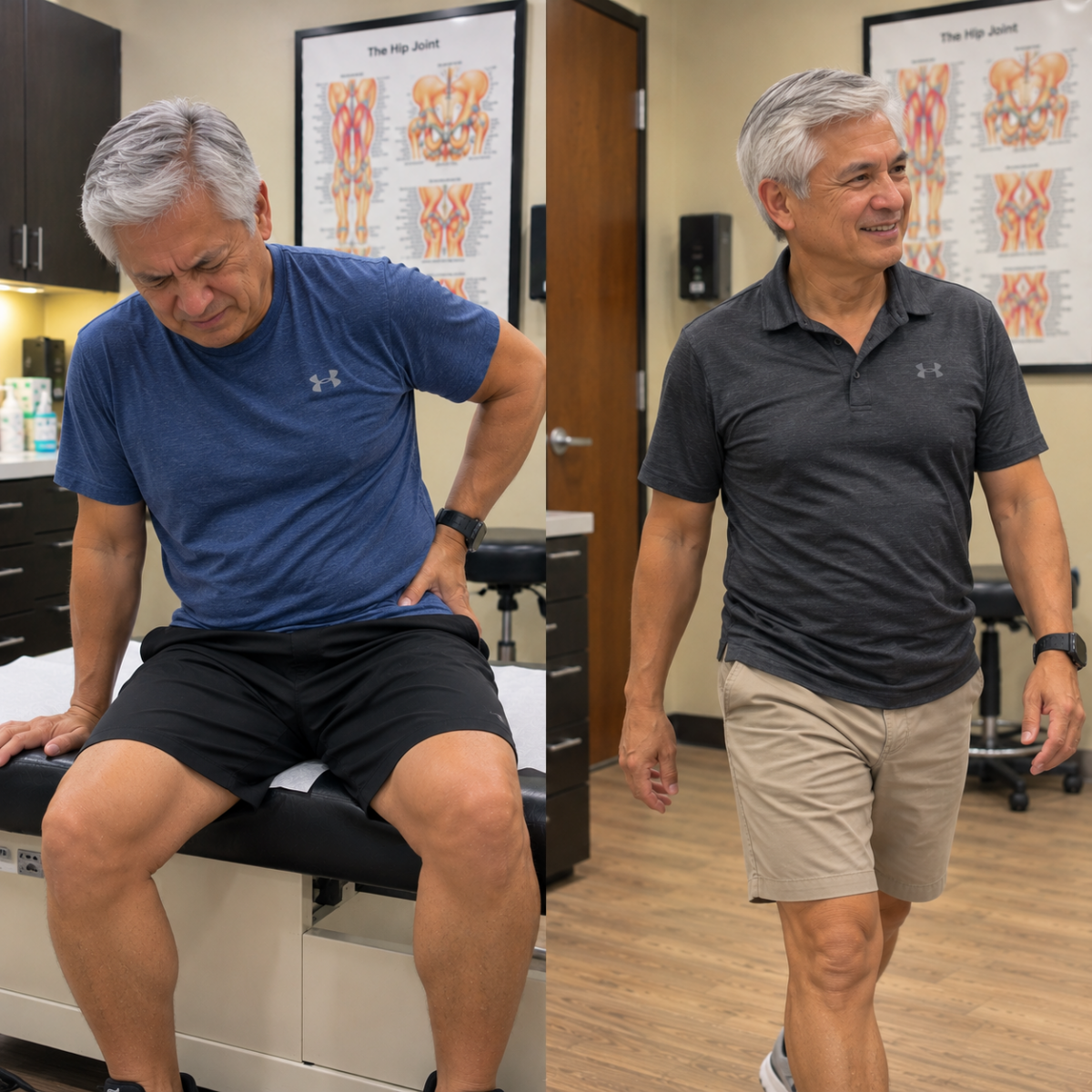
PRP for Hip Pain Grapevine TX Before and After

Frequently Asked Questions About PRP for Hip Pain Grapevine TX
PRP has been studied for hip osteoarthritis and selected tendon conditions. Results are mixed, and there is not enough consistent evidence to guarantee meaningful improvement.
Some studies report improvement in pain after PRP injections, but other treatments, including placebo injections, have also shown improvement. PRP is not proven to reverse hip arthritis.
There is no reliable clinical evidence that PRP injections can consistently regrow damaged hip cartilage or reverse established osteoarthritis.
Not necessarily. The available research does not establish PRP as consistently superior to other injection options for hip osteoarthritis.
No. PRP is administered by injection rather than through open surgery.
When improvement occurs, it may develop over weeks or months. Some patients do not experience meaningful improvement.
There is no universal treatment schedule. The appropriate approach depends on the diagnosis, available evidence, and individual circumstances.
PRP has been investigated for some hip tendon conditions, but effectiveness depends on the exact diagnosis. Rehabilitation and other established treatments may be more appropriate.
Permanent relief cannot be guaranteed. Symptoms may continue or return depending on the underlying condition and other factors.
Walking and activity recommendations depend on the specific procedure and clinician's instructions. Some patients may need temporary activity restrictions.
PRP for Hip Pain Grapevine TX is an FDA-approved treatment for cosmetic use, widely recognized for its safety and effectiveness (learn more from the FDA).
How to Prepare for PRP Hip Grapevine TX Treatment
Before your appointment, discuss your medical history, medications, supplements, previous hip injuries, and earlier treatments with your provider.
Your clinician may recommend an examination or imaging to determine the cause of your symptoms.
Follow your provider’s instructions regarding hydration, activity, and medications.
Do not stop prescription medications, blood thinners, or anti-inflammatory medicines unless the healthcare professional managing them specifically advises you to do so.
Aftercare for PRP for Hip Pain Grapevine TX
Temporary soreness, swelling, or discomfort may occur after a PRP injection.
Follow your clinician’s instructions regarding walking, exercise, physical therapy, and returning to normal activities.
Avoid strenuous exercise or heavy activity until your provider advises that it is appropriate.
Seek urgent medical evaluation for severe or worsening pain, fever, increasing redness or swelling, inability to bear weight, or other concerning symptoms.
Explore PRP for Hip Pain in Grapevine TX
Persistent hip discomfort can affect your independence, exercise routine, and daily activities.
If you are exploring PRP for Hip Pain Grapevine TX, an individualized evaluation can help identify the cause of your symptoms and determine whether PRP or another treatment is appropriate.
PRP results are not guaranteed, and some hip conditions may be better managed through rehabilitation, medication, or orthopedic care.