
PRP for Achilles Tendinopathy Grapevine TX
Understand Your Options for Persistent Achilles Tendon Pain
Achilles tendon pain can make walking, running, climbing stairs, and exercising uncomfortable. Whether you are an athlete, enjoy staying active, or spend long hours standing at work, persistent pain near the back of your heel can affect your daily routine.
PRP for Achilles Tendinopathy Grapevine TX is a treatment approach that has been investigated for chronic Achilles tendon problems. PRP, or platelet-rich plasma, uses a concentrated portion of a patient’s own blood.
Although PRP has attracted interest as a nonsurgical tendon treatment, clinical studies have not consistently shown meaningful benefits for Achilles tendinopathy compared with placebo injections.
Understanding the cause of your pain, reviewing the evidence, and exploring established treatment options are important before considering PRP.
Patients interested in PRP services can contact Dr. Lift Spa in Grapevine, Texas, to inquire about availability and appropriate evaluation.
What Is PRP for Achilles Tendinopathy Grapevine TX?
PRP stands for platelet-rich plasma. It is prepared by collecting a small sample of a patient’s blood and processing it in a centrifuge to concentrate platelets within the plasma.
Platelets contain proteins and growth factors involved in the body’s normal tissue-response processes.
Researchers have studied whether injecting PRP around or into an affected Achilles tendon may improve pain, function, or tendon-related outcomes.
However, proposed biological effects do not necessarily translate into meaningful clinical improvements.
PRP has not been proven to reliably repair Achilles tendon damage, restore normal tendon structure, or provide lasting pain relief.
Seven Key Facts About PRP for Achilles Tendinopathy Grapevine TX
PRP uses your own blood. The preparation is made from a patient’s blood sample rather than donor tissue.
It is a nonsurgical procedure. PRP is delivered through an injection rather than open surgery.
Research findings are disappointing. Placebo-controlled studies have not consistently demonstrated meaningful improvement in Achilles tendon pain or function.
It is not proven to regenerate the Achilles tendon. PRP should not be described as reliably repairing tendon degeneration or tears.
An accurate diagnosis is essential. Midportion tendinopathy, insertional tendinopathy, and tendon rupture are different conditions requiring different management.
Rehabilitation remains important. Progressive tendon-loading exercises and individualized activity management are central to established nonsurgical care.
Treatment decisions should be individualized. Medical history, symptom duration, tendon condition, previous treatments, and activity goals all matter.
What Is Achilles Tendinopathy Grapevine TX?
Achilles tendinopathy is a condition involving pain and impaired function of the Achilles tendon, which connects the calf muscles to the heel bone.
It often develops when tendon loading exceeds the tendon’s ability to adapt.
Common symptoms include:
Pain or stiffness at the back of the ankle
Morning stiffness
Discomfort during running or jumping
Pain when climbing stairs
Tenderness along the tendon
Reduced tolerance for exercise
Swelling or thickening around the tendon
Achilles tendinopathy is commonly divided into two categories.
Midportion Achilles Tendinopathy
Pain occurs along the tendon, typically a few centimeters above its attachment to the heel bone.
Insertional Achilles Tendinopathy
Pain occurs where the Achilles tendon attaches to the heel bone.
These conditions can respond differently to exercises and other treatments. PRP evidence should not be assumed to apply equally to both.
How Does PRP for Achilles Tendinopathy Grapevine TX Work?
The general PRP process includes the following stages.
Step 1: Clinical Evaluation
A qualified healthcare professional examines the Achilles tendon, reviews symptoms and medical history, and determines whether imaging or specialist evaluation is needed.
Step 2: Blood Collection
A small blood sample is collected from the patient.
Step 3: PRP Preparation
The sample is processed in a centrifuge to separate and concentrate platelets within the plasma.
Step 4: Injection Procedure
If the procedure is considered appropriate, the PRP preparation is injected into the selected treatment area by a qualified clinician. The technique may involve ultrasound guidance.
Step 5: Recovery and Rehabilitation
The patient receives instructions about activity modification, symptom monitoring, and rehabilitation.
The exact technique varies between clinicians and studies, and no standardized PRP protocol has been established as reliably effective for Achilles tendinopathy.
What Does Research Say About PRP for Achilles Tendinopathy Grapevine TX?
The current evidence does not support routine PRP injections for chronic Achilles tendinopathy.
A 2026 systematic review and meta-analysis examined four randomized controlled trials involving 337 patients. Researchers found no statistically significant advantage of PRP over placebo for pain, function, tendon thickness, or tendon vascularity at the measured follow-up periods.
A separate meta-analysis involving six randomized trials and 422 patients also found no significant improvement in pain or function with PRP compared with placebo at three months, six months, or one year.
These findings are important for patients considering PRP for Achilles tendon pain.
While PRP remains an area of scientific interest, established conservative treatments should generally be prioritized over routine PRP injections.
Who Should Be Evaluated for Achilles Tendon Pain?
Patients experiencing persistent Achilles tendon pain should consider evaluation by a qualified healthcare professional, particularly when symptoms interfere with walking, work, or exercise.
An assessment may include:
Location and duration of pain
Morning stiffness and swelling
Running, walking, and exercise habits
Previous tendon injuries
Calf strength and ankle mobility
Medications and medical history
Previous rehabilitation or treatments
Imaging when clinically indicated
PRP is not appropriate for every patient, and current evidence does not support its routine use for chronic Achilles tendinopathy.
A sudden pop behind the ankle, significant weakness, or inability to push off the foot may indicate an Achilles tendon rupture and requires prompt medical evaluation.
Established Nonsurgical Treatment Options
For many patients, nonsurgical treatment begins with an individualized rehabilitation program.
Common approaches include:
Progressive Tendon-Loading Exercises
Calf-strengthening exercises gradually increase the amount of load the Achilles tendon can tolerate. Programs should be adapted to symptoms and tendon location.
Activity Modification
Temporarily reducing running, jumping, or other aggravating activities may help manage symptoms while maintaining appropriate physical activity.
Physical Therapy
A physical therapist can guide strengthening, movement, and gradual return to exercise.
Footwear and Heel Support
Selected patients may benefit from footwear adjustments or temporary heel lifts, depending on their condition.
Gradual Return to Sports
Returning to running or jumping too quickly may aggravate symptoms. A progressive plan can help patients rebuild activity tolerance.
These approaches have a more established role in Achilles tendinopathy management than routine PRP injections.
PRP for Achilles Tendinopathy Grapevine TX Results Timeline
PRP is not an immediate solution for Achilles tendon pain.
Studies commonly assess pain and function several weeks or months after treatment. However, improvements reported within PRP groups do not necessarily mean that PRP caused those improvements.
In placebo-controlled research, patients receiving PRP generally did not experience significantly better outcomes than comparison groups.
Recovery from Achilles tendinopathy can take months and often requires consistent rehabilitation.
Individual recovery times vary.
How Many PRP Treatments Are Needed?
There is no established number of PRP injections proven effective for Achilles tendinopathy.
Studies have used different PRP preparations, injection schedules, and rehabilitation programs.
Research has not established that additional injections reliably improve outcomes.
Patients should discuss the evidence, costs, and alternatives with a qualified clinician before considering any PRP procedure.
PRP for Achilles Tendinopathy Cost in Grapevine TX
The cost of PRP for Achilles Tendinopathy in Grapevine TX may depend on the evaluation, preparation method, procedure, and treatment setting.
Because PRP has not demonstrated consistent benefits over placebo for Achilles tendinopathy, patients should carefully consider the potential expense alongside the uncertain clinical benefit.
Contact Dr. Lift Spa to confirm whether Achilles-related PRP services are available and to request current pricing.
Why Contact Dr. Lift Spa in Grapevine TX?
Persistent Achilles tendon pain can affect walking, exercise, and everyday activities.
Understanding your diagnosis and reviewing the available treatment options can help you make informed decisions.
Dr. Lift Spa serves individuals interested in aesthetic and wellness services in Grapevine and surrounding communities.
Patients from Southlake, Colleyville, Flower Mound, Keller, Bedford, Euless, Coppell, Irving, and nearby Dallas–Fort Worth communities can contact the clinic to inquire about available services.
For persistent Achilles tendinopathy, an appropriately qualified sports medicine, orthopedic, or physical therapy professional can help guide evidence-based treatment.
Save With Dr. Lift Spa Memberships
Dr. Lift Spa offers membership options for eligible aesthetic and wellness services.
PRP procedures may have separate pricing or eligibility requirements. Confirm whether Achilles-related services are offered and whether any membership benefits apply.
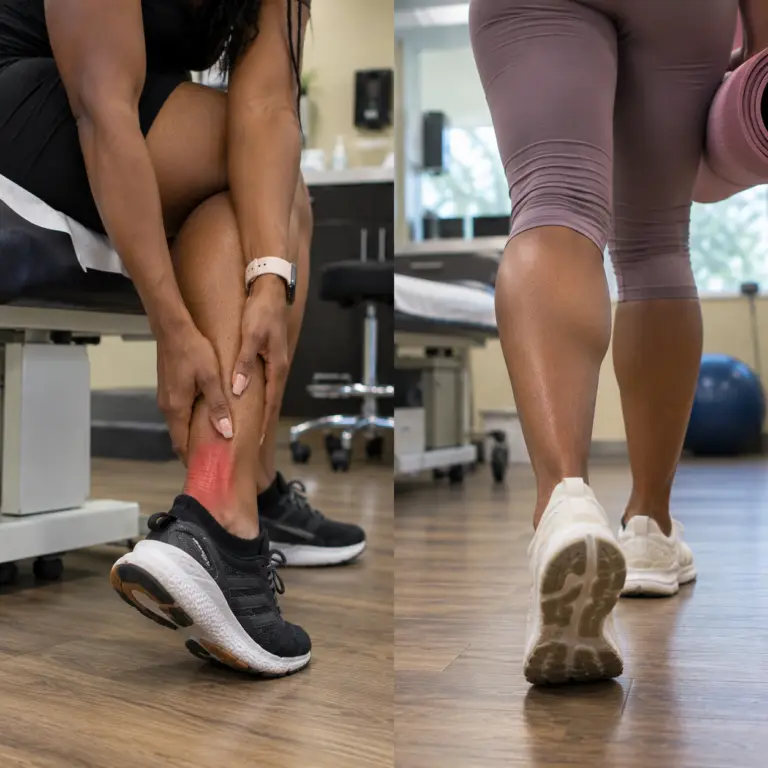
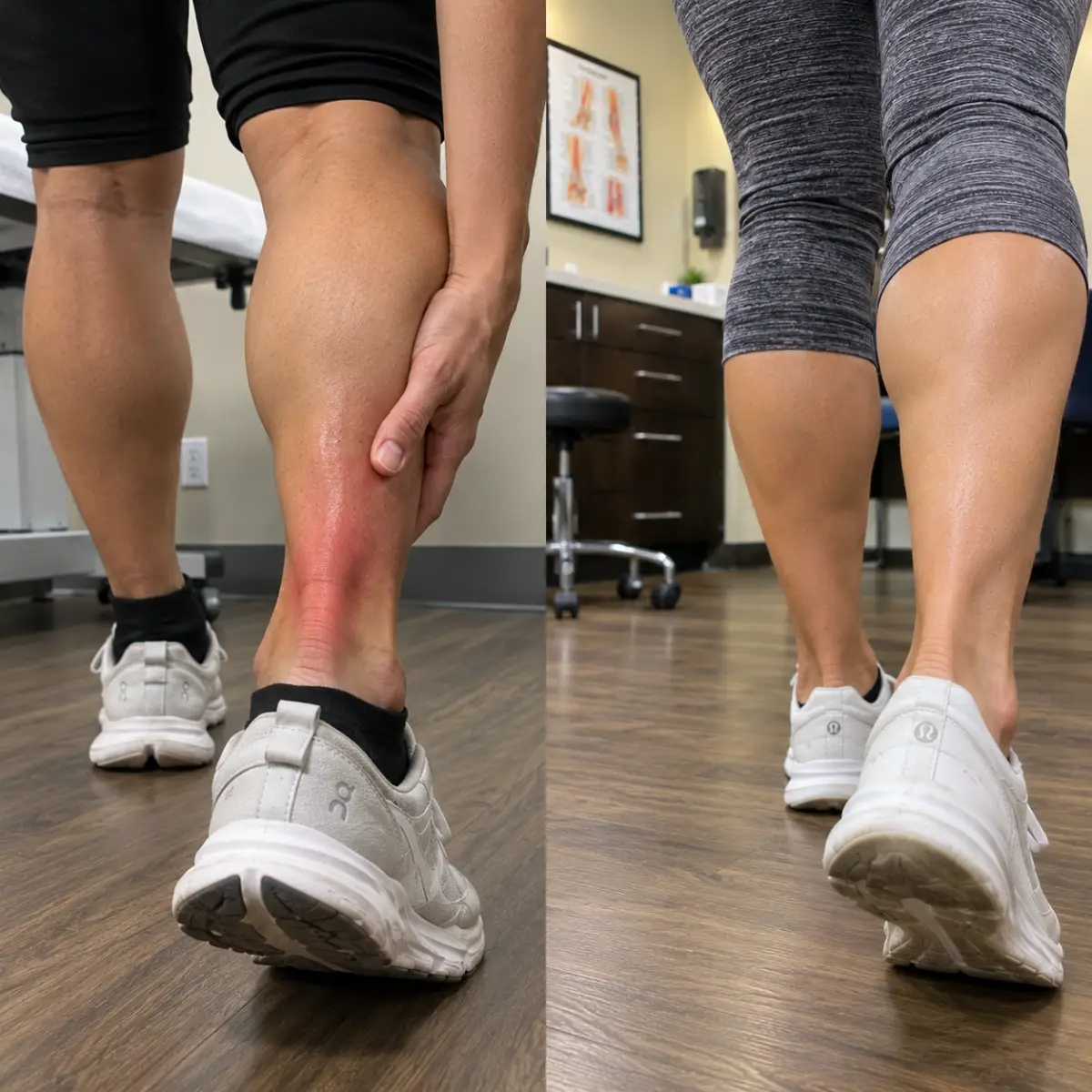
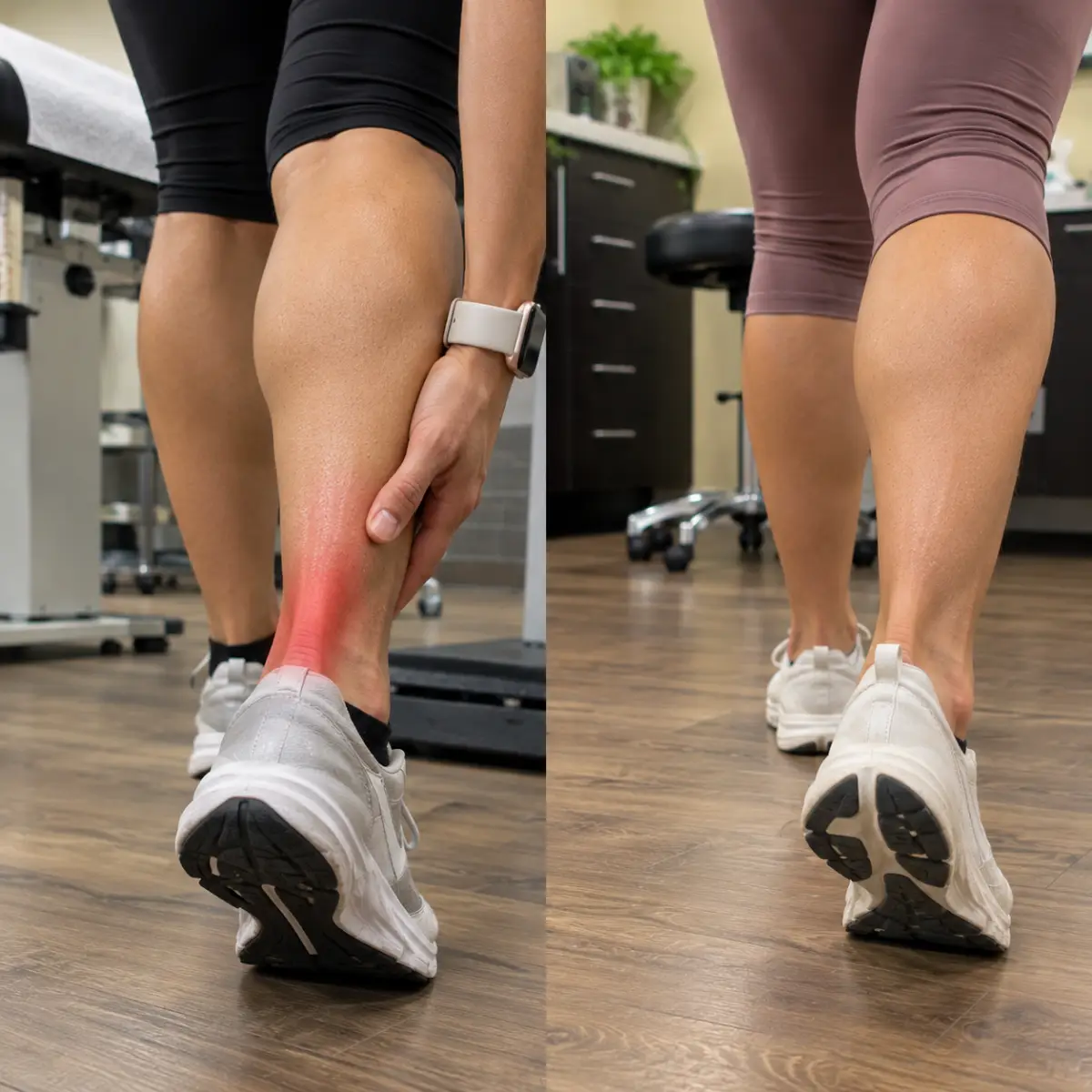
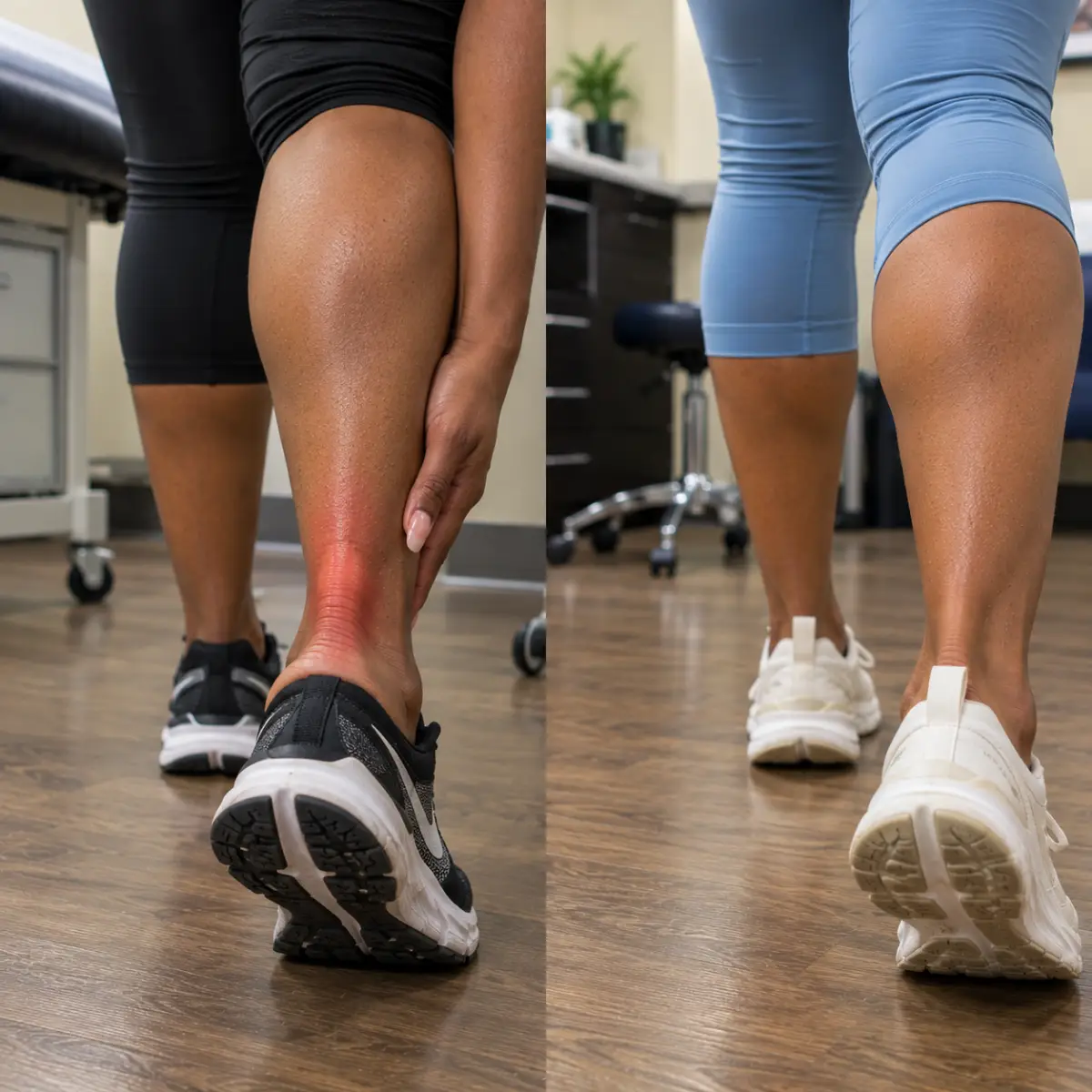
PRP for Achilles Tendinopathy Grapevine TX Before and After
Frequently Asked Questions About PRP for Achilles Tendinopathy Grapevine TX
High-quality research has not consistently shown that PRP improves pain or function more than placebo injections. Routine PRP use is not supported by current evidence.
PRP has not been proven to reliably regenerate or repair a damaged Achilles tendon.
There is no convincing evidence that PRP provides superior outcomes. Progressive tendon-loading rehabilitation remains a preferred treatment approach
The terms are sometimes used interchangeably, but tendinopathy is broader and describes tendon-related pain and impaired function. Long-standing tendinopathy does not necessarily involve ongoing inflammation.
Many patients improve with nonsurgical management, including rehabilitation, activity modification, and progressive strengthening.
Recovery often takes several months. The timeline depends on symptom duration, tendon condition, activity demands, and rehabilitation progress.
There is no reliable evidence that PRP injections prevent Achilles tendon rupture.
No standardized PRP injection schedule has been established as effective for Achilles tendinopathy.
Some patients can continue modified running while managing symptoms, but activity should be guided by pain, tendon tolerance, and professional advice.
Seek medical evaluation for persistent pain, worsening swelling, significant weakness, or difficulty walking. Sudden severe pain or a popping sensation with loss of push-off strength warrants prompt assessment for possible tendon rupture.
Back Laser Hair Removal Grapevine TX is an FDA-approved treatment for cosmetic use, widely recognized for its safety and effectiveness (learn more from the FDA).
How to Prepare for an Achilles Tendon Evaluation
Before your appointment, prepare information about your symptoms, previous injuries, medications, activity level, and treatments you have already tried.
Be ready to explain when the pain occurs, whether it is worse in the morning, and which activities aggravate it.
Your clinician may examine your ankle, assess calf strength, and recommend imaging when appropriate.
Do not stop prescription medications or blood thinners without instructions from the healthcare professional managing them.
Aftercare Following an Achilles PRP Injection
If PRP is performed after an individualized clinical decision, temporary soreness, swelling, or tenderness may occur.
Follow the treating clinician’s instructions regarding walking, exercise, medication use, and rehabilitation.
Avoid returning to running, jumping, or strenuous activities before your clinician considers it appropriate.
Seek medical attention for severe or worsening pain, fever, increasing redness, drainage, or sudden loss of ankle function.
Explore Achilles Tendon Treatment Options in Grapevine TX
Persistent Achilles tendon pain deserves an accurate diagnosis and a treatment plan based on current evidence.
If you are researching PRP for Achilles Tendinopathy Grapevine TX, understanding the limitations of PRP can help you compare available options and make informed decisions.
For chronic Achilles tendinopathy, progressive rehabilitation and appropriate activity management generally remain the preferred starting points.
Contact Dr. Lift Spa to inquire about service availability or request guidance on appropriate evaluation.