
Microneedling vs. Laser Skin Resurfacing: Which Is Better for Your Skin?
A Complete Guide to Skin Texture, Acne Scars, Wrinkles, and Recovery in Grapevine, TX
If you want to improve acne scars, fine lines, uneven skin texture, or signs of sun damage, two treatments you may encounter are microneedling and laser skin resurfacing.
Both are used in aesthetic medicine to improve certain skin concerns, but they work differently.
Microneedling vs laser skin resurfacing is not simply a question of which treatment is stronger. The best choice depends on your skin type, the concern being treated, your recovery preferences, and the specific device or procedure recommended.
Microneedling uses fine needles to create controlled microscopic injuries in the skin. Laser resurfacing uses focused light energy to treat selected skin layers and stimulate tissue remodeling.
Some laser treatments remove or vaporize portions of the skin’s surface, while others deliver heat without removing the outer layer.
At Dr. Lift Spa in Grapevine, TX, understanding these differences can help you ask informed questions before selecting a skin rejuvenation treatment.
What Is Microneedling?
Microneedling is a minimally invasive procedure that uses a device equipped with fine needles to create controlled microinjuries in the skin.
These microinjuries stimulate a wound-healing response associated with collagen and elastin remodeling.
Microneedling may help improve the appearance of certain depressed acne scars, fine lines, and uneven skin texture.
Results develop gradually, and several treatments may be recommended depending on the concern.
Standard microneedling is different from radiofrequency (RF) microneedling, which also delivers energy through needles and has a different risk profile.
What Is Laser Skin Resurfacing?
Laser skin resurfacing uses concentrated light energy to treat skin tissue.
Different laser technologies interact with the skin in different ways.
Some remove portions of the outer skin layers, while others deliver controlled heat beneath the surface.
Laser resurfacing may be used for selected concerns, including:
Fine lines and wrinkles
Certain acne scars
Uneven skin texture
Some types of sun-related skin damage
Selected pigmentation concerns
The results and recovery period depend heavily on the laser technology, treatment intensity, and patient characteristics.
Not every laser treatment offered at a med spa is a skin resurfacing treatment. For example, IPL, vascular lasers, and hair removal lasers have different primary purposes.
Types of Laser Skin Resurfacing
Ablative Laser Resurfacing
Ablative lasers remove portions of skin tissue to promote resurfacing and remodeling.
Common examples include certain CO₂ and erbium:YAG laser procedures.
Ablative treatments can produce meaningful improvements for selected wrinkles and scars but may involve more significant downtime and risks.
Non-Ablative Laser Resurfacing
Non-ablative lasers heat targeted skin tissue without intentionally removing the skin’s outer surface.
These procedures may involve less downtime, although results and the number of sessions vary.
Fractional Laser Resurfacing
Fractional technology treats microscopic zones of skin while leaving surrounding tissue untreated.
Fractional treatments can be ablative or non-ablative.
Therefore, the term fractional laser does not automatically mean minimal downtime.
The specific device and settings matter.
Microneedling vs. Laser Skin Resurfacing: Comparison Chart
Feature | Microneedling | Laser Skin Resurfacing |
|---|---|---|
Technology | Fine needles | Focused light energy |
Mechanism | Controlled microinjuries | Ablation or thermal treatment |
Common concerns | Acne scars, fine lines, texture | Wrinkles, scars, texture, certain sun damage |
Typical recovery | Often several days | From several days to weeks, depending on laser |
Pigmentation risk | Possible | Possible; varies by laser and settings |
Skin tone considerations | Often suitable across skin tones with proper technique | Requires careful device and setting selection |
Sessions | Often performed as a series | Depends on laser type and treatment goals |
Results | Gradual collagen remodeling | Varies from gradual to more substantial resurfacing |
Neither treatment is universally better. Laser resurfacing includes a wide range of procedures, so direct comparisons must specify the laser type.
Seven Key Differences Between Microneedling and Laser Resurfacing
1. How the Treatments Work
Microneedling creates mechanical microinjuries using needles.
Laser resurfacing uses light energy to remove or heat targeted tissue.
Both can stimulate remodeling, but their mechanisms are different.
2. Treatment Depth
Microneedling depth is determined by the device and technique.
Laser treatment depth depends on wavelength, energy settings, pulse characteristics, and whether the treatment is ablative or non-ablative.
A deeper treatment is not automatically better or safer.
3. Recovery Time
Conventional microneedling commonly causes temporary redness and sensitivity.
Laser resurfacing downtime varies considerably, particularly between non-ablative and ablative procedures.
4. Skin Tone Considerations
Both procedures can cause post-inflammatory hyperpigmentation.
For patients with darker skin tones, treatment selection and clinician experience are especially important.
Microneedling may be an option for certain concerns, while selected lasers can also be used safely with appropriate protocols.
5. Treatment Intensity
Microneedling is often performed as a series of controlled treatments.
Some laser resurfacing procedures may produce more substantial changes per session but can require greater recovery.
6. Cost
Microneedling and laser resurfacing have different pricing structures.
Laser costs vary widely by device, treatment area, intensity, and number of sessions.
7. Results
Both treatments may improve selected skin concerns.
The extent of improvement depends on the underlying condition, severity, procedure, and individual response.
Neither treatment guarantees complete removal of scars or wrinkles.
Which Is Better for Acne Scars?
Both microneedling and laser skin resurfacing are used to improve the appearance of certain acne scars.
The best option depends on scar type, depth, skin tone, and previous treatments.
Microneedling for Acne Scars
Microneedling is commonly used for depressed or atrophic acne scars.
By stimulating collagen remodeling, it may gradually improve the appearance of selected scars.
It is often considered for rolling scars and some shallow boxcar scars.
However, deep ice-pick scars may require other approaches, such as specialized scar procedures.
Laser Resurfacing for Acne Scars
Fractional ablative lasers, including certain CO₂ and erbium:YAG systems, can improve some types of depressed acne scars.
These treatments may provide substantial improvement in selected patients, but they can involve longer recovery and greater risk of pigmentation changes.
Non-ablative fractional lasers may offer another option with a different balance of results and downtime.
Which should you choose? Microneedling may be a reasonable option for patients seeking a less intensive approach. Laser resurfacing may be considered for selected scars when the potential benefits justify the recovery and risks.
Neither is the best treatment for every acne scar.
Which Is Better for Fine Lines and Wrinkles?
Fine lines and wrinkles develop through a combination of skin aging, sun exposure, facial movement, and changes in collagen and elastin.
Microneedling may improve the appearance of some fine lines through gradual skin remodeling.
Laser skin resurfacing, particularly certain ablative treatments, may produce more noticeable improvements in selected wrinkles.
However, deeper laser procedures can require more recovery time.
Wrinkles caused primarily by facial muscle movement may respond better to wrinkle-relaxing injectables than to resurfacing alone.
For patients comparing different approaches, our educational guide to Botox vs. Dysport vs. Xeomin vs. Letybo explains how wrinkle relaxers work.
Which Is Better for Uneven Skin Texture?
Uneven skin texture can develop from acne scars, aging, enlarged-looking pores, and previous inflammation.
Microneedling may improve certain textural irregularities through collagen remodeling.
Laser resurfacing may also improve texture by treating selected skin layers.
The best option depends on whether the concern involves superficial roughness, depressed scars, wrinkles, or another skin condition.
An evaluation can help determine whether resurfacing is appropriate or whether a different treatment would be more effective.
Which Is Better for Hyperpigmentation?
Hyperpigmentation describes areas of skin that appear darker than the surrounding skin.
Common causes include acne, sun exposure, inflammation, and melasma.
Microneedling has been investigated for certain pigmentation conditions, sometimes in combination with topical therapies.
Laser treatments may also address selected pigmentation concerns, but the device and diagnosis are important.
For example, melasma can worsen after inappropriate or overly aggressive procedures.
Important: Neither microneedling nor laser resurfacing should automatically be recommended for every type of pigmentation.
Patients should receive an accurate diagnosis and discuss the risk of post-inflammatory hyperpigmentation before treatment.
Microneedling vs. Laser Resurfacing for Darker Skin Tones
Patients with medium to deep skin tones may be more susceptible to post-inflammatory hyperpigmentation after certain skin procedures.
Microneedling can be an option for selected concerns across different skin tones when performed appropriately.
Laser resurfacing is not necessarily unsuitable for darker skin, but device selection, settings, and clinician experience are particularly important.
Some aggressive ablative laser procedures may carry a higher risk of pigmentation complications.
A provider should assess skin tone, tanning history, previous pigmentation reactions, and the specific condition being treated.
Which Treatment Has Less Downtime?
Recovery is one of the biggest differences patients consider when comparing microneedling and laser skin resurfacing.
GENERAL RECOVERY COMPARISON
Microneedling
1–5 days
Common period for noticeable redness or sensitivity, although reactions may last longer.Laser Resurfacing
Days–weeks
Highly dependent on whether treatment is non-ablative, fractional ablative, or fully ablative.Recovery After Microneedling
Patients may experience redness, mild swelling, tightness, sensitivity, or temporary dryness.
These effects often improve over several days.
More intensive treatments may require additional recovery.
Recovery After Laser Resurfacing
Non-ablative laser treatments may involve relatively limited downtime.
Ablative resurfacing can cause swelling, redness, crusting, peeling, and a longer healing period.
Some redness can persist for weeks or months after more aggressive procedures.
Your provider should explain the expected recovery based on the exact laser and treatment settings
Does Microneedling Hurt More Than Laser Resurfacing
Discomfort varies with the procedure and individual pain tolerance.
Topical numbing medication is commonly used during microneedling.
Laser resurfacing may require topical anesthesia, local anesthesia, or additional pain management depending on treatment intensity.
Some patients describe microneedling as a scratching or prickling sensation.
Laser treatment sensations vary and may include warmth, stinging, or discomfort.
Neither procedure is guaranteed to be painless.
How Many Sessions Are Needed?
Microneedling is often performed as a series, particularly for acne scars.
Some laser resurfacing procedures may also require multiple sessions.
More intensive ablative treatments may be performed less frequently, but the treatment plan depends on the condition and desired outcome.
There is no universal session count for either procedure.
Before beginning treatment, ask about the recommended number of appointments, expected improvement, recovery time, and total cost.
How Long Does It Take to See Results?
Microneedling results usually develop gradually as the skin remodels.
Some changes may become noticeable within several weeks, while additional improvements can take months.
Laser resurfacing results depend on the technology used.
Following ablative resurfacing, changes may become more apparent after the initial healing period, with remodeling continuing over subsequent months.
Non-ablative laser treatments may produce more gradual results.
Neither treatment produces identical results for every patient.
How Long Do the Results Last?
The duration of improvement depends on the skin concern, treatment intensity, age, sun exposure, and other individual factors.
Some improvements in scar appearance may persist, while natural aging and ongoing sun exposure continue to affect the skin.
Maintenance treatments may be considered for certain concerns.
Daily sun protection and appropriate skincare can help maintain overall skin health.
Can Microneedling and Laser Resurfacing Be Combined?
In selected cases, clinicians may recommend different skin treatments at separate appointments as part of a broader treatment plan.
For example, a patient with multiple scar types may benefit from a combination of approaches.
However, combining procedures is not automatically more effective or safer.
Treatment timing should allow appropriate healing and account for the patient’s skin characteristics and medical history.
Microneedling and laser resurfacing should not be combined casually or performed too close together without professional evaluation.
Who Is a Good Candidate for Microneedling?
Microneedling may be considered for patients with certain acne scars, fine lines, or uneven skin texture.
It may not be appropriate for individuals with active skin infections, certain inflammatory skin conditions, impaired wound healing, or other medical concerns.
Patients with a history of abnormal scarring or pigmentation changes should discuss those risks before treatment.
Who Is a Good Candidate for Laser Skin Resurfacing?
Laser resurfacing may be considered for selected patients with wrinkles, scars, or sun-related skin changes.
Suitability depends on the laser technology, skin tone, treatment area, and medical history.
Certain medications, active infections, recent tanning, or conditions affecting healing may change the treatment plan.
An experienced clinician should evaluate the patient’s risk of scarring, infection, and pigmentation complications.
Risks and Side Effects
Both treatments involve potential complications.
Possible Risk | Microneedling | Laser Resurfacing |
|---|---|---|
Redness and swelling | Yes | Yes |
Temporary discomfort | Yes | Yes |
Infection | Possible | Possible |
Post-inflammatory hyperpigmentation | Possible | Possible |
Scarring | Rare but possible | Possible, particularly with more intensive treatment |
Prolonged redness | Possible | Possible, especially after ablative procedures |
Burns or thermal injury | Not typical of conventional microneedling | Possible |
The FDA advises patients to understand microneedling risks and choose appropriately trained providers. RF microneedling has additional energy-related risks and should not be confused with conventional microneedling.
Laser resurfacing requires careful selection of technology, settings, and patient-specific precautions.
Microneedling vs. Laser Skin Resurfacing Cost in Grapevine TX
Treatment costs depend on the technology, treatment area, number of sessions, and provider.
Microneedling may have a lower per-session cost than some laser resurfacing procedures, but total costs depend on the treatment plan.
Laser resurfacing pricing varies substantially between non-ablative and ablative procedures.
A comparison should consider the complete recommended treatment, not just the price of one session.
Contact Dr. Lift Spa for current pricing and to confirm which resurfacing technologies and microneedling services are available.
Why Explore Skin Rejuvenation at Dr. Lift Spa?
Choosing a skin rejuvenation procedure requires understanding your skin concerns, treatment options, and realistic expectations.
Dr. Lift Spa in Grapevine, Texas, offers aesthetic and wellness services for individuals interested in improving their skin’s appearance.
Patients from Grapevine, Southlake, Colleyville, Flower Mound, Keller, Bedford, Euless, Coppell, Irving, and surrounding Dallas–Fort Worth communities can inquire about available treatments.
A consultation can help identify which services are appropriate for your skin goals and whether specialist evaluation is recommended.
Save With Dr. Lift Spa Memberships
Dr. Lift Spa offers membership options for eligible aesthetic and wellness services.
If you are considering microneedling or laser skin resurfacing, ask which treatments are included in available memberships and whether additional fees apply.
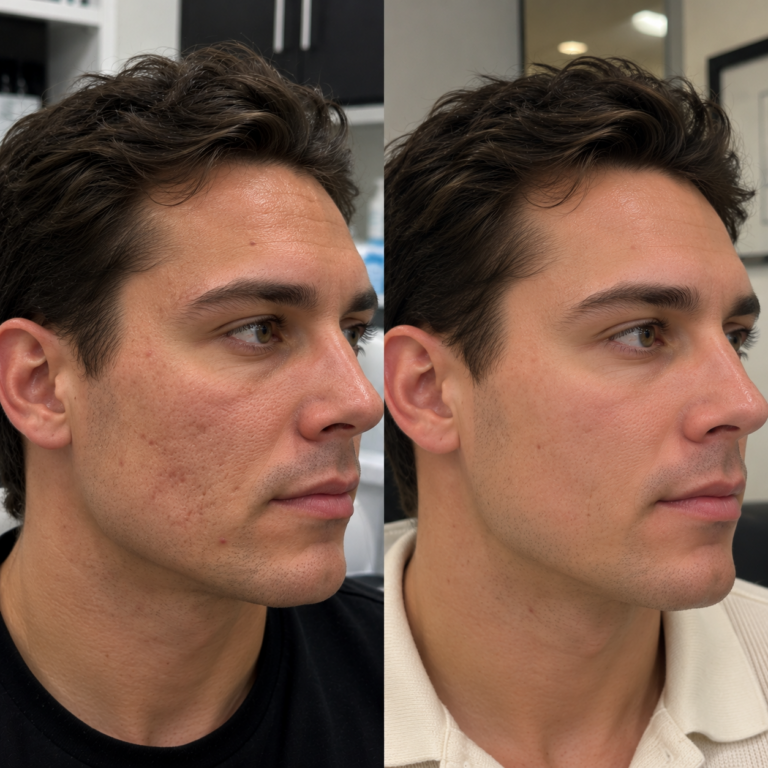
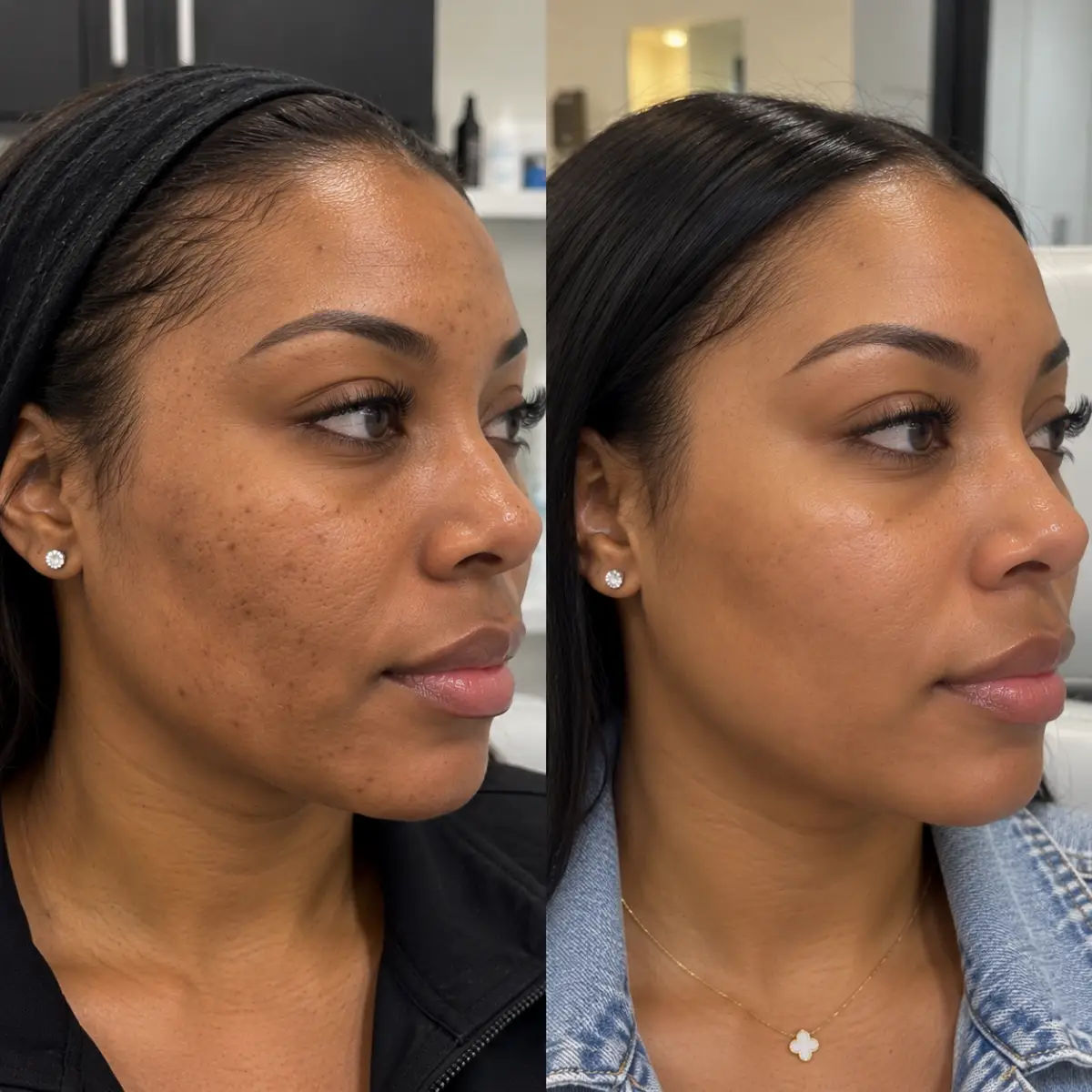
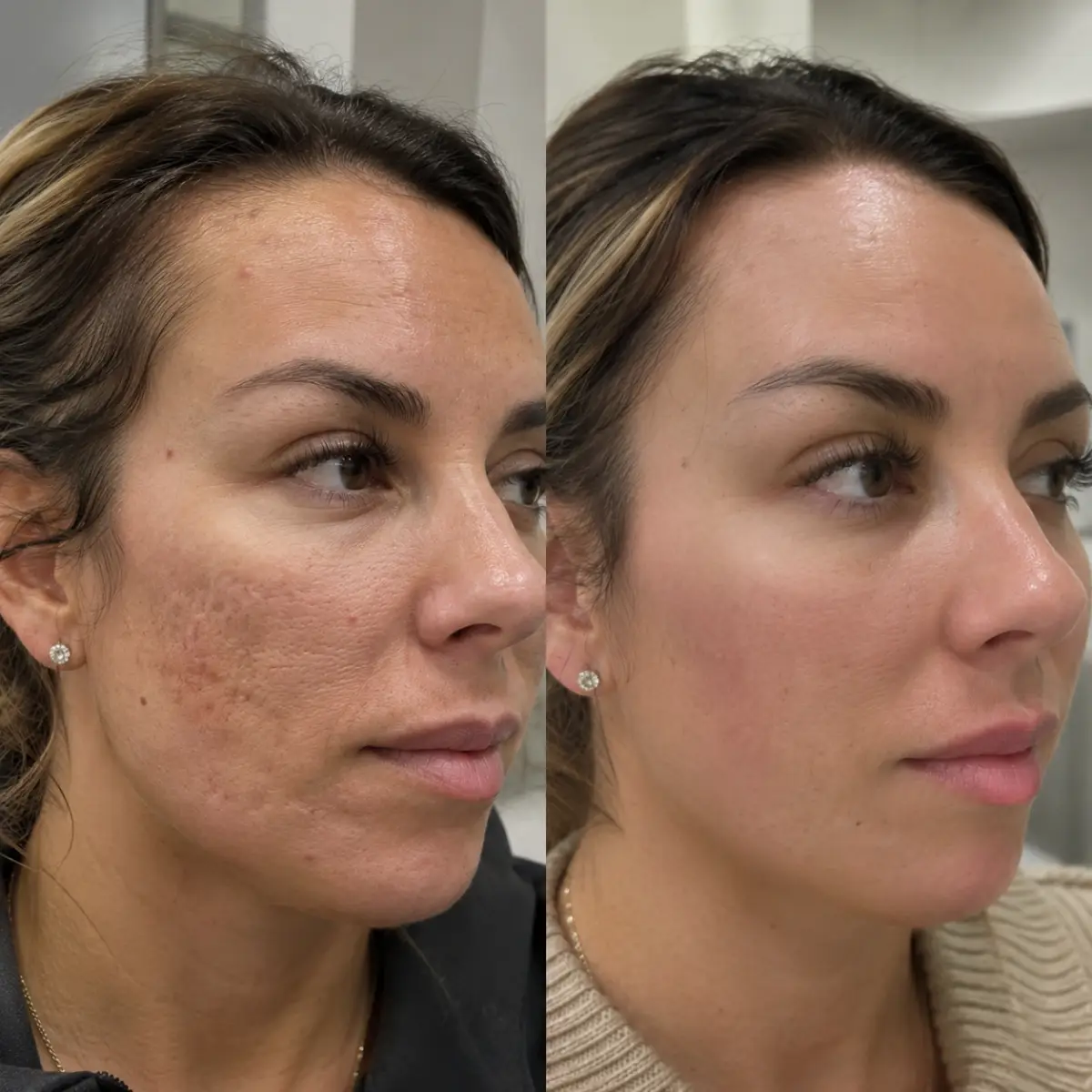
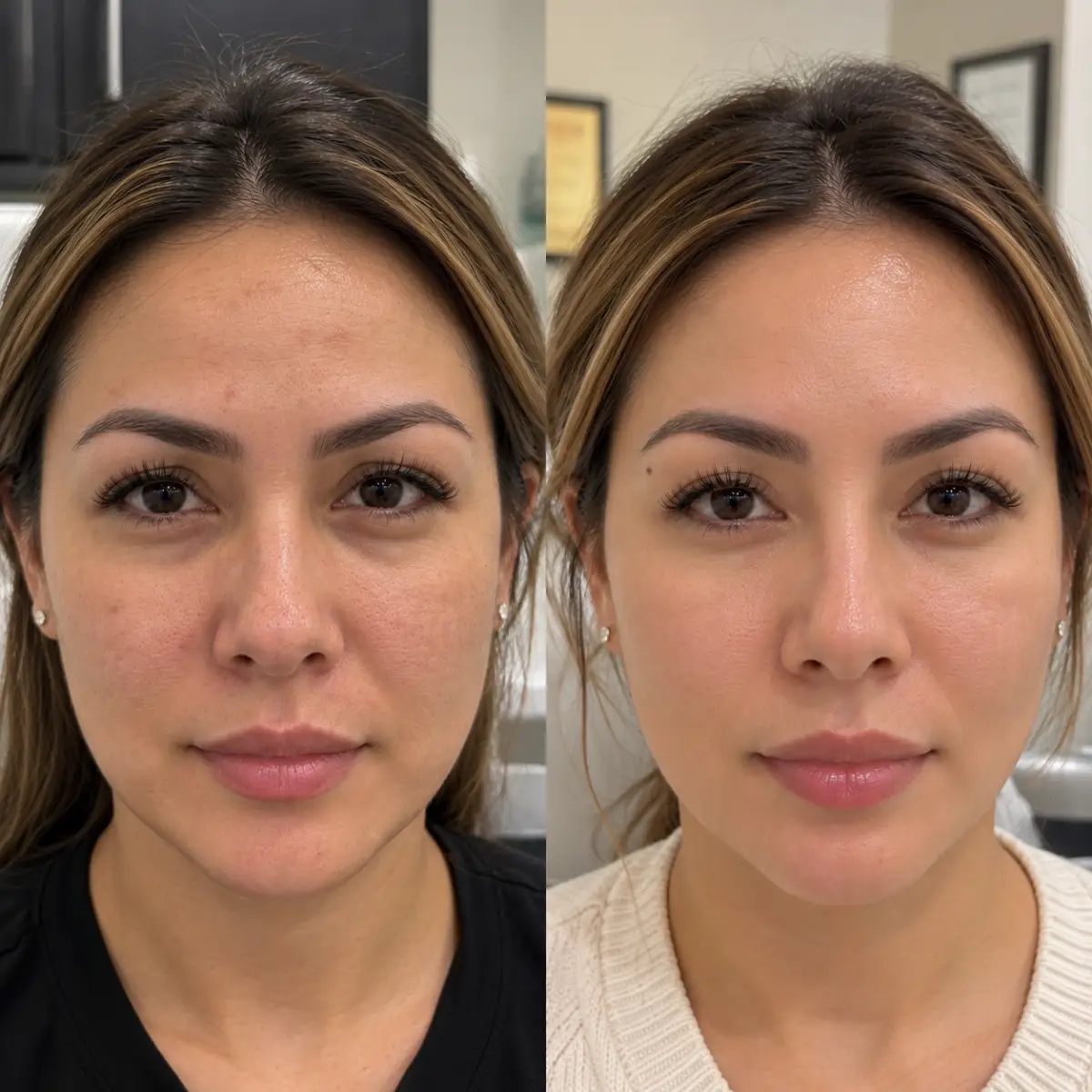
Microneedling vs. Laser Skin Resurfacing Before and After Results
Frequently Asked Questions About Microneedling vs. Laser Skin Resurfacing
Neither treatment is universally better. Microneedling may be appropriate for certain acne scars and texture concerns, while selected laser procedures may offer greater improvement for some wrinkles or scars.
Both can improve certain depressed acne scars. The most appropriate treatment depends on scar type, depth, skin tone, and recovery preferences.
Some ablative laser procedures may produce more substantial improvement for selected concerns, but they can also involve greater downtime and risks. Results vary by procedure.
Microneedling may be an option across different skin tones. Certain laser treatments can also be appropriate, but careful device selection and professional assessment are essential.
Microneedling may produce modest improvements in skin firmness through collagen remodeling, but it does not replace procedures designed to address significant skin laxity.
Laser resurfacing may improve the appearance of some wrinkles, but it cannot guarantee complete removal, especially for deep folds or expression-related lines.
Conventional microneedling often involves less downtime than intensive ablative laser resurfacing. Some non-ablative laser procedures may also have limited downtime.
Microneedling may improve some textural changes, but pigmentation and sun-related skin damage require careful diagnosis. Certain laser treatments may be more appropriate for selected concerns.
They may be included in a broader treatment plan, but timing and suitability must be determined by a qualified clinician.
The number depends on the concern, its severity, and your response. Acne scar treatment often involves a series of sessions.
Some improvements may persist, but aging and sun exposure continue. No procedure permanently stops skin aging.
No. RF microneedling delivers radiofrequency energy through needles, while conventional microneedling creates mechanical microinjuries without added RF energy.
Microneedling vs. Laser Skin Resurfacing Grapevine TX is an FDA-approved treatment for cosmetic use, widely recognized for its safety and effectiveness (learn more from the FDA).
How to Prepare for Microneedling or Laser Resurfacing
Before treatment, inform your provider about your medical history, medications, skin conditions, and previous cosmetic procedures.
Your clinician may recommend avoiding tanning and adjusting certain skincare products before the procedure.
Preparation differs by treatment. Some laser procedures require additional precautions, including consideration of herpes simplex history and infection prevention.
Do not stop prescription medications without guidance from the prescribing clinician.
Aftercare Tips for Microneedling and Laser Resurfacing
Following treatment, your provider may recommend gentle cleansing, appropriate moisturizing, sun protection, and temporary avoidance of irritating skincare products.
After ablative laser resurfacing, specific wound-care instructions may be necessary.
Avoid picking at peeling or healing skin.
Contact your provider if you develop worsening pain, spreading redness, unusual drainage, fever, or other concerning symptoms.
Following individualized aftercare instructions helps reduce avoidable complications.
Final Thoughts: Microneedling vs. Laser Skin Resurfacing
When comparing microneedling vs laser skin resurfacing, the best choice depends on the condition being treated and your individual needs.
Microneedling may be a useful option for selected acne scars, fine lines, and uneven skin texture.
Laser resurfacing offers a range of technologies that can address wrinkles, scars, and certain sun-related skin changes, with recovery and risks varying considerably between devices.
Rather than choosing based only on treatment popularity, consider the evidence, expected results, downtime, and professional recommendation.
If you are exploring skin rejuvenation in Grapevine, Texas, contact Dr. Lift Spa to ask about available microneedling and laser treatment options.