
IPL vs. Q-Switch YAG Laser: What's the Difference?
Understanding Two Light-Based Technologies for Pigmentation, Sun Damage, and Skin Rejuvenation
Dark spots, uneven skin tone, visible redness, and sun damage are common reasons people explore professional skin treatments. Two technologies frequently discussed for these concerns are Intense Pulsed Light (IPL) and Q-Switch YAG laser treatment.
Although both use light energy, they work differently and are not designed for exactly the same purposes.
When comparing IPL vs Q-Switch YAG Laser, the most important differences involve the type of light delivered, how that energy interacts with skin structures, and which conditions each technology may address.
IPL uses filtered broad-spectrum light and is commonly used for selected superficial pigmentation and vascular concerns. Q-switched Nd laser technology delivers extremely short laser pulses and is used for certain pigmented lesions and tattoo pigments.
Neither treatment is automatically the better choice for every patient.
At Dr. Lift Spa in Grapevine, Texas, patients from Southlake and nearby communities can explore available light-based and laser treatment options through a personalized consultation.
This guide explains the differences between IPL and Q-Switch YAG, including how they work, their potential benefits, recovery considerations, and treatment suitability.
What Is IPL Laser Treatment?
IPL stands for Intense Pulsed Light.
It is a nonablative light-based technology that uses a range of filtered wavelengths to interact with selected structures in the skin.
Despite sometimes being called an IPL laser, IPL is not technically a laser.
Instead of producing a single concentrated wavelength, an IPL device delivers pulses of broad-spectrum light.
Filters help select wavelengths appropriate for particular treatment goals.
IPL may be considered for concerns such as:
Certain sunspots
Freckles
Uneven pigmentation
Visible superficial blood vessels
Some facial redness
Selected signs of sun damage
IPL is also commonly associated with photofacial treatments.
The suitability of IPL depends on the device, skin type, diagnosis, and treatment settings.
What Is Q-Switch YAG Laser Treatment?
Q-Switch YAG generally refers to a Q-switched neodymium-doped yttrium aluminum garnet laser, commonly abbreviated as Q-switched Nd.
Unlike IPL, it is a true laser.
Q-switching allows the device to deliver concentrated laser energy in extremely short pulses, typically measured in nanoseconds.
These short pulses can interact with pigment particles in the skin.
Depending on the device and wavelength, Q-switched Nd systems may be used for:
Selected benign pigmented lesions
Certain deeper pigmentation concerns
Some freckles and sunspots
Tattoo pigment removal
Other device-specific dermatologic indications
Not every Q-switched laser system has the same capabilities or regulatory clearances.
Understanding the 1064 nm and 532 nm Wavelengths
Many Q-switched Nd systems provide two wavelengths.
1064 nm: A near-infrared wavelength that can penetrate relatively deeply and may be used for selected deeper pigmented targets and certain tattoo inks.
532 nm: A shorter, frequency-doubled wavelength that interacts more strongly with superficial pigment and may be used for selected superficial pigmented lesions and tattoo colors.
Wavelength alone does not determine treatment safety or effectiveness.
The pulse duration, energy, spot size, skin type, target, and device-specific guidance also matter.
IPL vs Q-Switch YAG Laser: Key Differences
Both technologies deliver light energy, but they differ in several important ways.
1. Type of Light
IPL: Uses a broad spectrum of filtered light.
Q-Switch YAG: Uses concentrated laser light at a specific wavelength.
2. Energy Delivery
IPL: Delivers controlled pulses of light that can generate heat in selected skin targets.
Q-Switch YAG: Delivers very short, high-peak-power pulses that can produce rapid changes in pigment-containing structures.
3. Common Treatment Targets
IPL: Often considered for superficial pigmentation and certain vascular concerns.
Q-Switch YAG: Commonly used for selected pigmented lesions and tattoo pigments.
4. Treatment Depth
IPL: Penetration varies with the selected wavelengths, filters, and treatment settings.
Q-Switch YAG: The 1064 nm wavelength can reach deeper pigment targets than the frequency-doubled 532 nm wavelength under comparable conditions.
5. Facial Redness
IPL: May be appropriate for selected superficial vascular concerns and some redness associated with rosacea.
Q-Switch YAG: Pigment-targeting Q-switched settings are not generally the first choice for diffuse facial redness. Other vascular laser technologies may be more appropriate.
6. Tattoo Removal
IPL: Not generally recommended for tattoo removal.
Q-Switch YAG: Certain Q-switched Nd systems are used for tattoo pigment removal.
7. Recovery
Both treatments may involve temporary skin reactions.
The type and duration of recovery depend on the treatment settings, target, and individual skin response.
IPL vs Q-Switch YAG Laser Comparison Table
| Feature | IPL | Q-Switch YAG Laser |
|---|---|---|
| Technology | Filtered broad-spectrum light | Q-switched laser |
| Common wavelengths | Multiple filtered wavelengths | Commonly 1064 nm and 532 nm |
| Primary interaction | Light absorption and heating of selected targets | Very short pulses targeting pigment |
| Superficial sunspots | May be appropriate | May be appropriate |
| Deeper pigmentation | More limited applications | Certain deeper lesions may be suitable |
| Facial redness | May address selected vascular concerns | Not generally the primary use of Q-switched pigment settings |
| Tattoo removal | Generally unsuitable | Established application for selected tattoo pigments |
| Skin tone considerations | Requires careful assessment, particularly in darker skin | Requires wavelength- and skin-specific assessment |
| Recovery | Variable | Variable |
| Best choice | Depends on diagnosis and skin characteristics | Depends on diagnosis and skin characteristics |
How Does IPL vs Q-Switch YAG Laser Work?
Understanding the mechanisms helps explain why these treatments are used for different concerns.
How IPL Works
IPL delivers filtered pulses of broad-spectrum light into the skin.
Specific structures absorb portions of this light.
For example:
Melanin absorbs certain wavelengths associated with pigmentation.
Hemoglobin absorbs wavelengths that may be used to target selected blood vessels.
Absorbed light energy is converted into heat.
This controlled heating may alter selected pigmented or vascular structures.
The skin gradually responds after treatment, potentially making certain spots or vessels less noticeable.
How Q-Switch YAG Works
Q-switched Nd lasers deliver high-energy pulses over extremely short periods.
When the energy interacts with an appropriate pigment target, it can create rapid thermal and photoacoustic effects.
These effects may disrupt pigment-containing structures.
The body’s processes then gradually clear some of the treated pigment.
The response depends on the target, wavelength, treatment settings, and individual skin characteristics.
Why the Mechanism Matters
IPL is commonly selected for certain broader superficial pigment or vascular concerns.
Q-switched Nd is often selected when a specific pigment target may benefit from short-pulse laser energy.
A qualified provider must determine whether the proposed treatment matches the actual skin condition.
7 Important Differences Between IPL and Q-Switch YAG Laser
1. IPL Is Not a True Laser
IPL uses multiple filtered wavelengths, while Q-switched Nd produces laser light.
2. They Have Different Treatment Strengths
IPL may be useful for selected superficial sun damage and vascular concerns.
Q-switched Nd may be appropriate for selected pigmented lesions and tattoo ink.
3. They Interact With Pigment Differently
IPL relies primarily on controlled light absorption and heating.
Q-switched Nd uses very short pulses capable of producing rapid pigment disruption.
4. Treatment Depth Is Different
A 1064 nm Q-switched Nd beam can reach certain deeper pigment targets.
IPL penetration depends on the filtered wavelength range and other settings.
5. Facial Redness May Require a Different Approach
IPL can be used for some vascular concerns.
Q-switched pigment settings should not be confused with long-pulsed Nd vascular treatments.
6. Skin Tone Influences Safety
Both technologies require careful planning in patients with greater baseline skin pigmentation.
7. Neither Guarantees Permanent Results
Some pigmentation may recur, and additional sun exposure can contribute to new discoloration.
Under Eye Vein Treatment Results Timeline
Immediately After Treatment
Temporary redness, swelling, warmth, or vessel darkening can occur.
First Few Days
The treatment area may remain mildly red, swollen, tender, or bruised while the skin recovers.
Following Weeks
Appropriately treated veins may gradually become less visible.
After a Treatment Series
Some patients need additional treatment depending on vessel diameter, depth, location, and response.
A study of 35 patients found that 80% received one or two treatment sessions. However, treatment schedules should be individualized rather than promising a fixed number of sessions.
IPL vs Q-Switch YAG Laser for Hyperpigmentation
Hyperpigmentation occurs when certain areas of skin develop increased pigment.
However, not all dark spots have the same cause.
Common categories include:
Sun-induced pigmentation
Freckles
Post-inflammatory hyperpigmentation
Melasma
Certain benign pigmented lesions
Treatment depends on identifying the cause and depth of the pigment.
IPL for Hyperpigmentation
IPL may help improve selected superficial sun-induced pigmentation.
It is not appropriate for every form of discoloration.
Q-Switch YAG for Hyperpigmentation
Q-switched Nd may be used for certain superficial or deeper pigmented lesions, depending on the wavelength and diagnosis.
Which Is Better?
For selected superficial sunspots, either technology may be considered.
For certain deeper pigmented lesions, an appropriately selected Q-switched laser may offer a more suitable approach.
However, no technology should be selected before the pigmentation is evaluated.
IPL vs Q-Switch YAG Laser for Sunspots
Sunspots, also called solar lentigines, are common benign pigmented lesions associated with cumulative sun exposure.
IPL for Sunspots
IPL may target melanin within selected sunspots.
Following treatment, some spots may temporarily darken before gradually fading.
Q-Switch YAG for Sunspots
Appropriate Q-switched wavelengths may be used to target selected sunspots.
Which Treatment Should You Choose?
Both technologies may be useful.
The choice depends on:
Lesion characteristics
Skin tone
Number and distribution of spots
Device capabilities
Previous treatments
Risk of pigment changes
Suspicious or changing pigmented lesions should be medically evaluated before cosmetic treatment.
IPL vs Q-Switch YAG Laser for Melasma
Melasma is a pigmentation disorder commonly associated with hormonal influences, sun exposure, and other contributing factors.
It often produces irregular brown or gray-brown patches, particularly on the face.
Melasma requires special caution because inappropriate energy-based treatment may worsen discoloration.
Can IPL Treat Melasma?
IPL has been studied for melasma, but it is not automatically an appropriate first-line treatment.
Heat and light exposure may aggravate pigmentation in some patients.
Can Q-Switch YAG Treat Melasma?
Low-fluence Q-switched 1064 nm Nd has been investigated for melasma.
However, results can be variable, recurrence is common, and repeated treatments may cause unwanted pigment changes, including mottled hypopigmentation.
Which Is Safer for Melasma?
Neither should be assumed safe or superior without individualized assessment.
Sun protection and appropriate topical therapies are often central to melasma management.
Patients should consult a qualified healthcare professional before undergoing energy-based treatment.
IPL vs Q-Switch YAG Laser for Rosacea
Rosacea is a chronic inflammatory skin condition that may involve facial redness, visible vessels, flushing, and other symptoms.
IPL for Rosacea
IPL may improve selected vascular features associated with rosacea, including some persistent redness and superficial visible vessels.
It does not cure rosacea.
Q-Switch YAG for Rosacea
Q-switched Nd pigment-targeting treatments are not generally the preferred approach for diffuse rosacea-related redness.
Other technologies, including selected vascular lasers, may be more suitable.
Important Distinction
Q-switched Nd and long-pulsed Nd are different operating modes.
Evidence supporting long-pulsed Nd for certain vascular lesions should not automatically be applied to Q-switched Nd.
IPL vs Q-Switch YAG Laser for Acne Scars
Acne scars can involve depressed areas, raised tissue, discoloration, or a combination of concerns.
IPL for Acne Scars
IPL may be considered for some discoloration associated with acne.
However, it is not generally the preferred approach for deep, depressed scars.
Q-Switch YAG for Acne Scars
Q-switched Nd may address certain pigment-related concerns, but conventional Q-switched pigment treatment is not generally the primary method for correcting significant depressed acne scars.
What About Skin Texture?
Depending on the scar type, other approaches may include:
Microneedling
Fractional laser resurfacing
Selected ablative resurfacing
Other clinician-directed scar treatments
Treating discoloration is different from correcting the physical depth of a scar.
IPL vs Q-Switch YAG Laser for Darker Skin Tones
Skin tone is an important factor in light-based treatment planning.
Melanin in surrounding skin can also absorb treatment energy.
This creates a risk of unintended skin injury or pigment changes.
IPL Considerations
IPL may carry increased risks of burns and pigment alteration in darker skin when the device or settings are unsuitable.
Q-Switch YAG Considerations
The 1064 nm wavelength is often considered for selected pigment-related indications in darker skin because it interacts differently with epidermal melanin than shorter wavelengths.
However, Q-switched Nd is not risk-free.
Potential complications include hyperpigmentation, hypopigmentation, and scarring.
Why Professional Assessment Matters
A qualified provider should evaluate:
Baseline skin tone
Recent tanning
Pigmentation history
Previous adverse reactions
Treatment target
Device settings
Medical history
The goal is to select an appropriate treatment while minimizing avoidable risk.
Who Is a Good Candidate for IPL vs Q-Switch YAG Laser?
There is no universal candidate profile that applies to every device and indication.
Individuals Who May Explore IPL
Adults with selected superficial sunspots
Patients with certain visible facial blood vessels
People experiencing some sun-related pigmentation
Individuals with selected redness-related concerns
Patients interested in a nonablative treatment approach
Individuals Who May Explore Q-Switch YAG
Adults with selected benign pigmented lesions
Patients with certain deeper pigmentation concerns
Individuals considering treatment for specific tattoo pigments
Patients whose concerns may benefit from a particular Q-switched wavelength
When Treatment May Need to Be Delayed or Avoided
Additional precautions may be necessary for people with:
Recent tanning or sunburn
Active skin infections
Open wounds
Suspicious pigmented lesions
Certain photosensitivity disorders
Relevant photosensitizing medications
A history of abnormal scarring
Previous significant pigment changes
Pregnancy, medical conditions, and medication history should also be discussed with the provider.
What Happens During an IPL Treatment?
Step 1: Consultation
The provider evaluates the skin concern, medical history, and treatment suitability.
Step 2: Skin Preparation
The treatment area is cleaned, and appropriate protective eyewear is provided.
Step 3: Device Settings
The provider selects the filter and settings appropriate for the treatment goal.
Step 4: Light Delivery
The IPL handpiece delivers pulses of filtered light.
Patients may feel brief warmth or a snapping sensation.
Step 5: Aftercare
The provider explains expected skin responses, sun protection, and follow-up recommendations.
The exact procedure depends on the IPL system and treatment area.
What Happens During a Q-Switch YAG Laser Treatment?
Step 1: Skin Assessment
The provider evaluates the target lesion, skin type, and medical history.
Step 2: Wavelength Selection
An appropriate wavelength is selected according to the target and device capabilities.
Step 3: Eye Protection
Suitable laser-specific protective eyewear is required.
Step 4: Laser Treatment
The device delivers short pulses to the selected treatment area.
Patients may experience snapping or stinging sensations.
Step 5: Monitoring
The provider evaluates the immediate treatment response.
Step 6: Recovery Instructions
Patients receive instructions regarding skin care, sun protection, and potential adverse effects.
Not every patient or lesion is appropriate for Q-switched laser treatment.
Does IPL or Q-Switch AG Hurt More?Does IPL or Q-Switch AG Hurt More?
Discomfort varies.
IPL is often described as a warm snapping sensation.
Q-switched Nd treatment may also feel like a sharp snap or brief sting.
However, discomfort depends on:
Treatment area
Device settings
Target lesion
Cooling techniques
Individual sensitivity
Treatment size
Neither technology is guaranteed to be painless.
Your provider can explain what to expect with the specific device.
IPL vs Q-Switch YAG Laser: Recovery and Downtime
Recovery varies according to treatment intensity, indication, and individual response.
IPL Recovery
Possible temporary reactions include:
Redness
Warmth
Mild swelling
Skin sensitivity
Darkening of treated pigmentation
Some patients resume routine activities relatively quickly, but complications remain possible.
Q-Switch YAG Recovery
Possible reactions include:
Redness
Swelling
Tenderness
Temporary whitening or frosting of certain treated targets
Crusting or blistering, depending on the indication and settings
Pigment changes
More intensive treatments may require additional recovery.
Which Has Less Downtime?
Neither has a universally shorter recovery period.
A gentle IPL session may involve limited downtime, while a Q-switched treatment of a specific lesion may cause temporary crusting.
However, the opposite may occur depending on settings and individual response.
How Many IPL or Q-Switch YAG Sessions Are Needed?
Treatment frequency depends on the condition.
IPL Sessions
Some patients notice improvement after one session, while others require a series of treatments.
Q-Switch YAG Sessions
Certain pigmented lesions may respond to relatively few treatments, while tattoo removal and other indications often require multiple sessions.
Factors Affecting Session Count
Diagnosis
Pigment depth
Treatment area
Skin type
Device settings
Previous treatment response
Treatment goals
No specific number of sessions guarantees complete improvement.
When Will IPL vs Q-Switch YAG Laser Results Appear?
Results vary by treatment type.
IPL Results
Some superficial pigmentation may temporarily darken before gradually becoming less noticeable.
Changes may develop over the following days or weeks.
Q-Switch YAG Results
Treated pigment may change immediately in appearance, but visible improvement often develops as the skin responds and pigment clears over time.
What Affects Results?
Type of pigmentation
Depth of the target
Skin tone
Device settings
Treatment technique
Sun exposure
Individual biological response
A provider can explain realistic expectations for the selected treatment.
How Long Do IPL and Q-Switch YAG Results Last?
Neither technology prevents future sun damage or guarantees permanent correction of every pigment concern.
Certain treated lesions may improve for extended periods, but new pigmentation can develop.
Melasma and other chronic pigmentation conditions may recur.
Results depend on the underlying diagnosis and continued skin care.
Consistent sun protection is particularly important for sun-related pigmentation.
IPL vs Q-Switch YAG Laser Side Effects and Safety
Both treatments carry risks.
Potential IPL Side Effects
Redness
Swelling
Temporary discomfort
Burns
Blistering
Hyperpigmentation
Hypopigmentation
Scarring
Eye injury without proper protection
Potential Q-Switch YAG Side Effects
Redness
Swelling
Tenderness
Crusting
Blistering
Hyperpigmentation
Hypopigmentation
Scarring
Eye injury without appropriate protection
The risk of complications depends on treatment settings, skin characteristics, provider training, and the condition being treated.
A qualified provider should review contraindications and relevant medical history before treatment.
How to Prepare for IPL or Q-Switch YAG Treatment
Preparation should follow the instructions provided by the treating clinic.
Common considerations include:
Avoid unnecessary sun exposure and tanning.
Disclose recent sunburn.
Provide a complete medication list.
Discuss any history of photosensitivity.
Inform the provider about previous laser or IPL procedures.
Mention any history of abnormal scarring or pigment changes.
Report active infections or skin irritation.
Ask which skin care products should be temporarily avoided.
Do not stop prescribed medication unless instructed by the clinician responsible for it.
Aftercare for IPL vs Q-Switch YAG Laser
Aftercare varies according to the device and treatment performed.
General considerations include:
Protect Your Skin From Sun Exposure
Follow the provider’s sun-protection instructions and use appropriate broad-spectrum sunscreen.
Avoid Picking at Treated Skin
If temporary crusting develops, do not scratch or remove it.
Use Gentle Skin Care
Avoid irritating products until your provider confirms they can be resumed.
Monitor Your Skin
Contact the clinic if you experience unexpected or worsening symptoms.
Seek Medical Evaluation When Necessary
Severe pain, extensive blistering, signs of infection, or visual symptoms require prompt medical attention.
Can IPL and Q-Switch YAG Be Combined?
Some treatment plans may involve more than one light-based technology.
For example, a patient might have superficial vascular concerns and a separate pigmented lesion requiring different approaches.
However, combining treatments is not automatically beneficial.
A qualified provider must consider:
Skin condition
Treatment goals
Previous procedures
Recovery requirements
Potential overlapping risks
Appropriate treatment intervals
IPL and Q-switched Nd should not be combined or scheduled closely together without individualized professional guidance.
IPL vs Q-Switch YAG Laser: Which Is Better for Your Skin?
The answer depends on what you want to treat.
For Selected Sunspots
Both technologies may be considered.
For Some Facial Redness
IPL may be more relevant than Q-switched pigment-targeting settings.
For Certain Deeper Pigmented Lesions
Q-switched Nd may be considered, depending on the diagnosis and wavelength.
For Tattoo Pigment
Q-switched Nd may be appropriate for selected tattoo colors.
For Melasma
Neither is automatically the best choice. Melasma requires careful evaluation because energy-based treatment may worsen pigmentation.
For Deep Acne Scars
Other treatments may be more appropriate for correcting scar texture.
The best treatment is the one selected for the correct diagnosis, not simply the one with the most powerful device.
Why Consider Dr. Lift Spa for IPL and Laser Treatment Education?
Dr. Lift Spa is located in Grapevine, Texas, and welcomes patients from Southlake and surrounding Dallas–Fort Worth communities.
Understanding the differences between IPL and Q-switched laser technology can help patients prepare for a meaningful consultation.
Personalized Skin Concerns
Discuss whether your primary concern involves pigmentation, redness, or skin texture.
Treatment Technology Education
Learn how different devices use light energy and why their applications vary.
Individualized Planning
A qualified provider can assess whether an available service may be appropriate.
Safety Considerations
Review skin type, medical history, contraindications, and potential complications.
Realistic Expectations
Understand that results vary and not every concern can be treated with the same technology.
Save With a Dr. Lift Spa Membership
Dr. Lift Spa offers membership options for clients interested in ongoing aesthetic care.
Membership benefits vary by plan.
Ask the clinic whether IPL or Q-Switch YAG services are eligible for any current membership benefits.
Treatment suitability should always take priority over membership benefits.
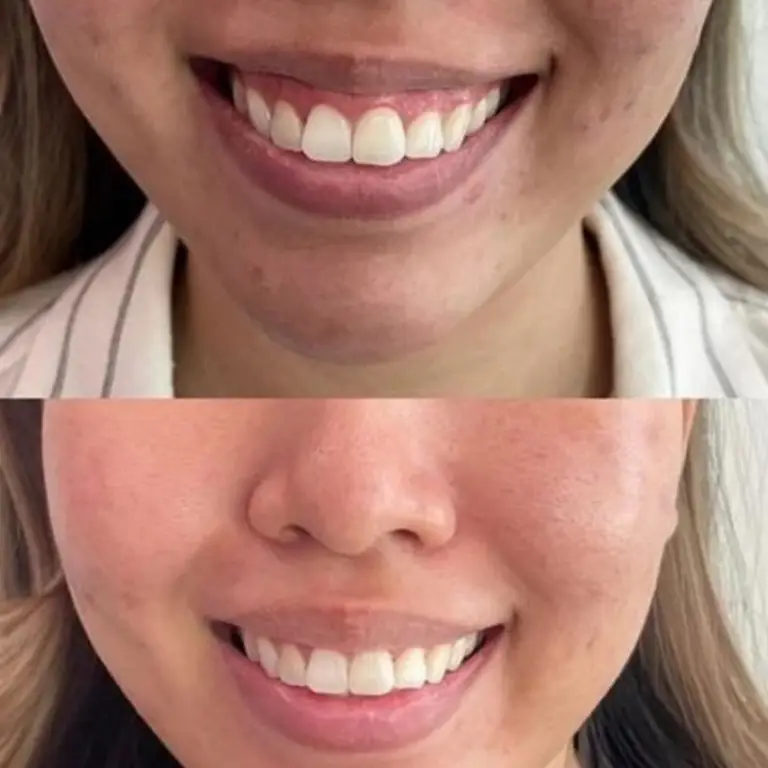
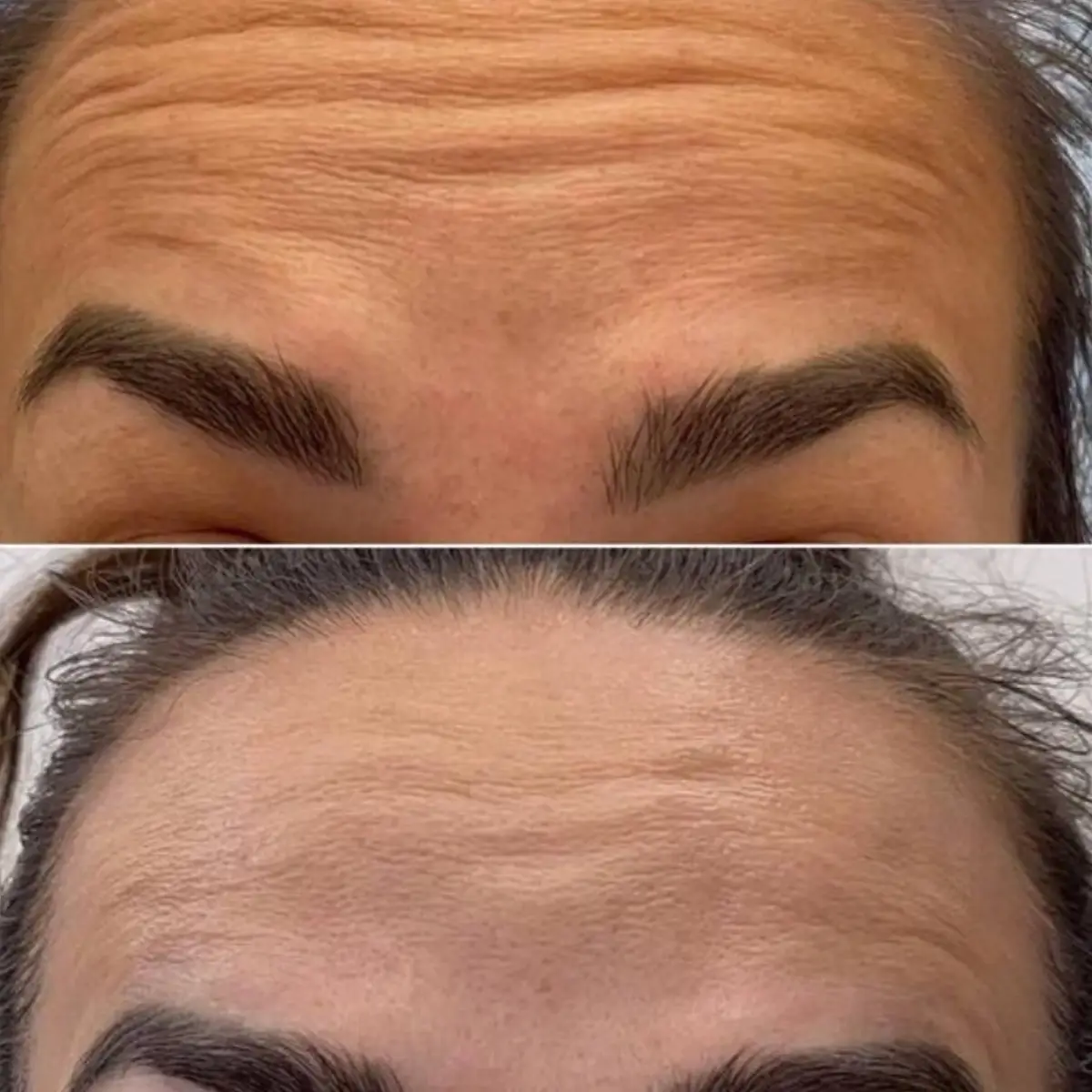
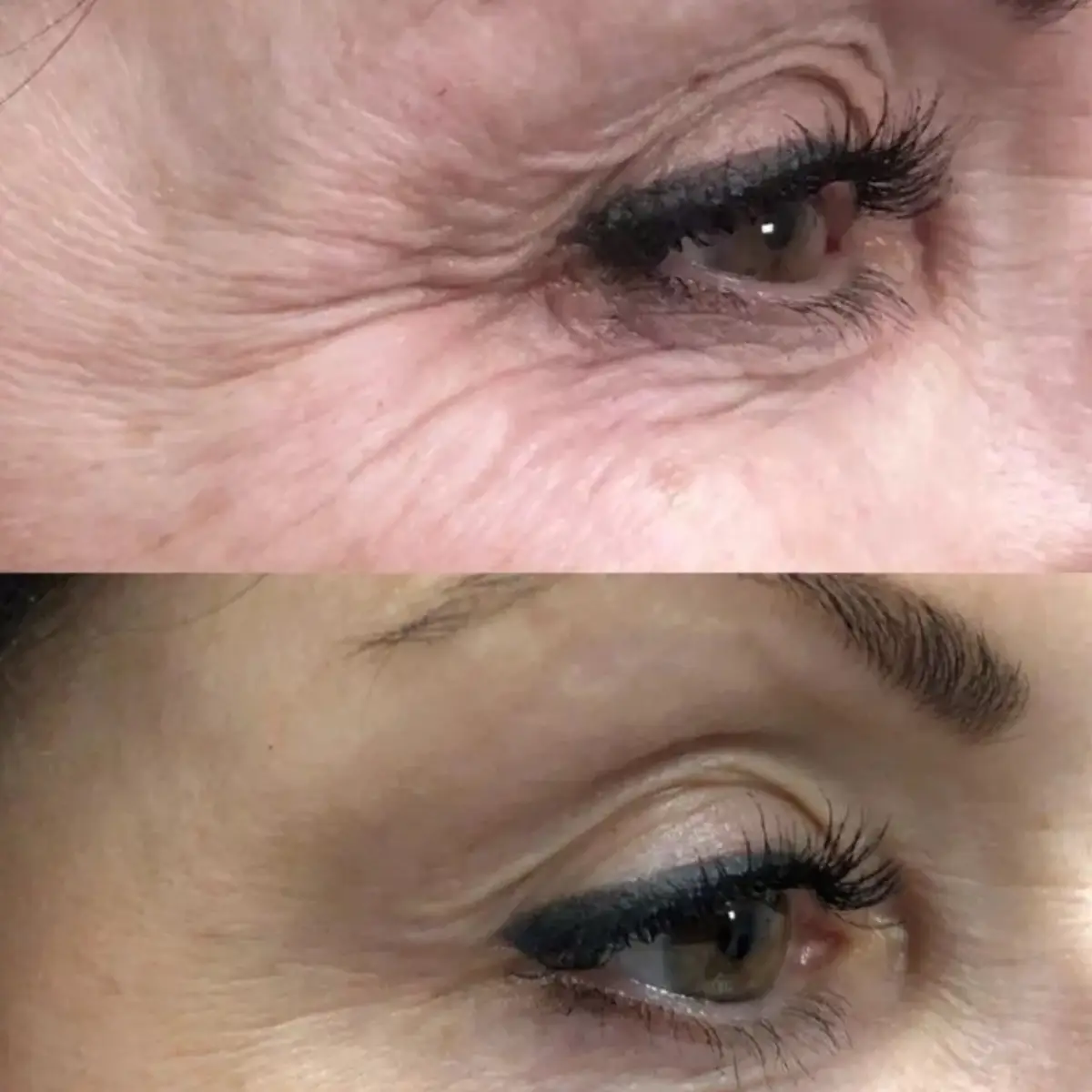
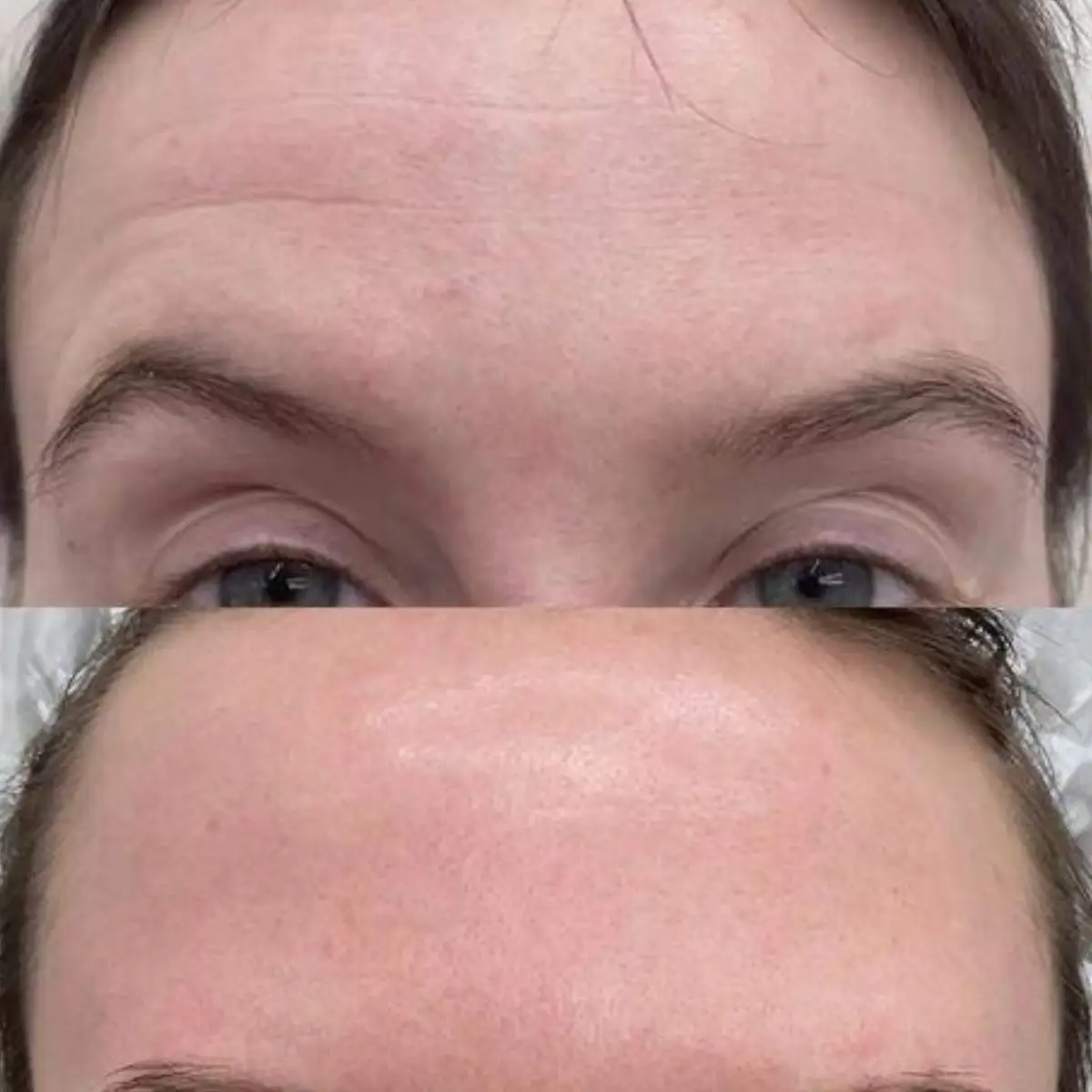
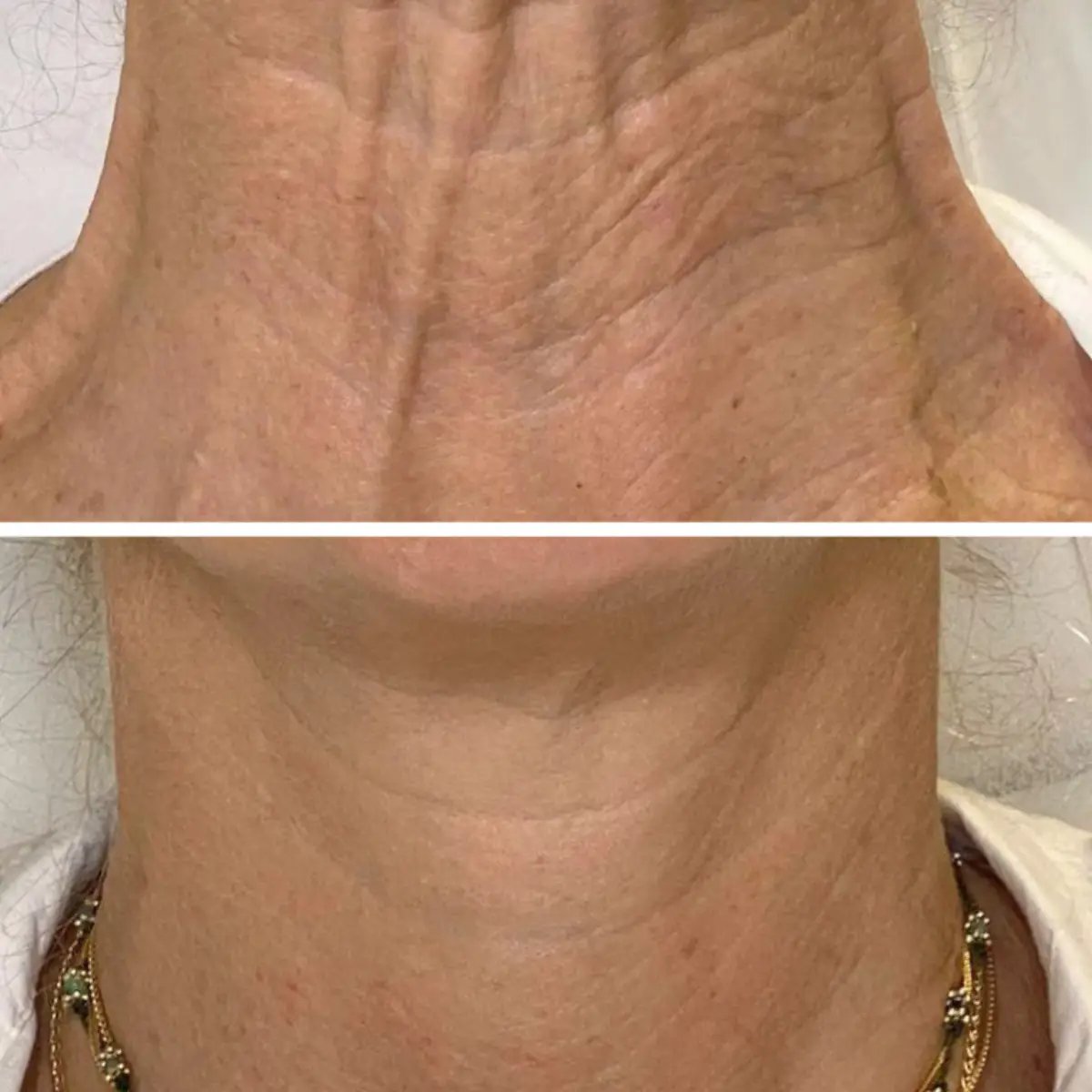
IPL vs Q-Switch YAG Laser Before and After: What to Expect
Frequently Asked Questions About IPL vs Q-Switch YAG Laser
IPL uses filtered broad-spectrum light, while Q-switched Nd uses concentrated laser light delivered in extremely short pulses.
No. IPL is a light-based technology, not a true laser.
Yes. Q-switched Nd is a laser system.
It depends on the type, cause, and depth of pigmentation, as well as skin characteristics and device capabilities.
IPL can be useful for selected superficial sunspots, but certain Q-switched lasers can also treat appropriate pigmented lesions.
Some benign pigmented lesions may respond to appropriate Q-switched Nd treatment.
IPL may be considered for selected superficial vascular concerns. Q-switched pigment-targeting treatments are generally not the primary choice for diffuse facial redness.
IPL may improve certain vascular features associated with rosacea but does not cure the condition.
Low-fluence Q-switched Nd has been studied for melasma, but treatment carries risks and recurrence is possible.
Yes. Burns, post-inflammatory hyperpigmentation, and other pigment changes are possible.
Certain wavelengths may be considered for selected indications, but unwanted pigment changes and other complications remain possible.
Discomfort varies by settings, treatment area, and individual sensitivity.
Some patients experience limited downtime, but redness, swelling, and other skin reactions may occur.
Recovery depends on the indication and settings. Some treatments may cause temporary redness, crusting, or other reactions.
The number varies according to the concern and individual response.
Session count depends on the target, such as a pigmented lesion or tattoo ink, and the treatment response.
IPL is not generally recommended for tattoo removal.
Certain Q-switched Nd systems are used for selected tattoo pigments. Outcomes depend on ink characteristics and other factors.
They may be considered within an individualized treatment plan, but combining procedures requires professional evaluation.
Dr. Lift Spa is located in Grapevine, Texas, and welcomes patients from Southlake and nearby communities. Contact the clinic to confirm available services and consultation options.
IPL or Q-Switch YAG Laser Treatment is an FDA-approved treatment for cosmetic use, widely recognized for its safety and effectiveness (learn more from the FDA).
Looking for IPL or Q-Switch YAG Laser Treatment Near Southlake, TX?
If you are comparing IPL vs Q-Switch YAG Laser, understanding the differences can help you ask better questions during a consultation.
IPL may be useful for selected superficial pigmentation and vascular concerns.
Q-switched Nd may be appropriate for certain pigmented lesions and tattoo pigments.
Neither technology is the correct treatment for every skin concern.
Dr. Lift Spa is located in Grapevine and welcomes patients from nearby communities, including:
Southlake
Grapevine
Colleyville
Keller
Flower Mound
Coppell
Bedford
Euless
Irving
The clinic is physically located in Grapevine, not Southlake.
Schedule a Skin Treatment Consultation at Dr. Lift Spa
Choosing between IPL and Q-Switch YAG begins with identifying the skin concern you want to address.
Whether your goal involves sunspots, uneven pigmentation, or visible redness, an individualized consultation can help determine which available treatment may be appropriate.
At Dr. Lift Spa, patients from Grapevine, Southlake, and nearby communities can discuss their aesthetic goals and learn about available treatment options.
Dr. Lift Spa — Grapevine, Texas
Serving Southlake and surrounding Dallas–Fort Worth communities.
Phone: 817-214-2582