
How to Choose the Right Facial Treatment for Your Skin: A Complete Guide
Understanding Skin Types, Facial Treatments, and Professional Skincare in Grapevine, TX
With so many facial treatments available, choosing the right one can feel overwhelming. From deep cleansing facials and chemical peels to microneedling and laser treatments, each procedure is designed to address different skin concerns.
If you have ever wondered how to choose the right facial treatment for your skin, the first step is understanding your skin type, identifying your main concerns, and learning what each treatment can realistically accomplish.
The best facial treatment is not necessarily the most expensive or most intensive option. It is the one that suits your skin’s current condition, your goals, and your tolerance for recovery.
For example, someone with dry, sensitive skin may benefit from a gentle, moisturizing facial, while a person with depressed acne scars may need a treatment that addresses skin texture more deeply.
At Dr. Lift Spa in Grapevine, TX, learning about available facial and skin rejuvenation options can help you prepare for an informed consultation.
Why Choosing the Right Facial Treatment Matters
Facial treatments are not one-size-fits-all.
Your skin’s needs can change depending on age, climate, medications, skincare products, hormonal changes, and underlying skin conditions.
A treatment that works well for oily skin may irritate sensitive skin. Similarly, a procedure intended to improve acne scars may not be the best choice for active inflammatory acne.
Choosing an appropriate treatment can help you:
Address your main skin concerns more effectively.
Avoid unnecessary irritation or overly aggressive procedures.
Set realistic expectations about results.
Understand possible downtime and side effects.
Build a skincare plan suited to your individual needs.
A professional skin assessment is particularly important when considering procedures involving needles, chemical exfoliation, or laser energy.
Step 1: Identify Your Skin Type
Understanding your skin type is one of the most useful starting points when deciding which facial treatment to choose.
Normal Skin
Normal skin generally has a balanced level of oil and moisture, without persistent dryness or excessive oiliness.
People with normal skin may choose gentle cleansing or hydrating facials for routine skincare.
Dry Skin
Dry skin often feels tight, rough, or flaky because it lacks sufficient moisture or has a compromised skin barrier.
Gentle, moisturizing treatments may be more appropriate than aggressive exfoliation.
Oily Skin
Oily skin produces excess sebum and may appear shiny, particularly around the forehead, nose, and chin.
Some people with oily skin also experience clogged pores or acne.
A facial that includes appropriate cleansing and carefully selected exfoliation may help manage surface buildup.
Combination Skin
Combination skin has both oily and dry areas.
For example, the forehead and nose may be oily while the cheeks feel dry.
A customized facial may address these different needs without over-treating the skin.
Sensitive Skin
Sensitive skin may react to certain products or procedures with stinging, burning, redness, or irritation.
Gentle treatments and careful ingredient selection are especially important.
Persistent sensitivity may also be associated with conditions such as rosacea, eczema, or contact dermatitis.
Step 2: Identify Your Main Skin Concern
Your skin type and your skin concern are not always the same.
For example, someone with dry skin can also experience acne, while someone with oily skin may develop pigmentation or fine lines.
Use the following comparison to understand which treatments may be worth discussing with a qualified provider.
Best Facial Treatments for Different Skin Concerns
Skin Concern | Treatments to Discuss | Important Consideration |
|---|---|---|
Dry or dehydrated skin | Hydrating facial, gentle skincare | Avoid over-exfoliation |
Oily or congested skin | Deep cleansing facial, selected exfoliating treatments | Excessive extractions can irritate skin |
Active acne | Acne-focused care, appropriate medical treatment | Facials do not replace acne medication when needed |
Acne scars | Microneedling, selected laser resurfacing | Best option depends on scar type |
Fine lines | Microneedling, selected resurfacing treatments | Dynamic wrinkles may need a different approach |
Uneven skin tone | Selected chemical peels or pigment treatments | Correct diagnosis is essential |
Sensitive or redness-prone skin | Gentle, non-irritating facial care | Avoid triggering underlying skin conditions |
Sun-related skin changes | Selected peels, IPL, or laser procedures | Skin examination and sun protection matter |
Dull-looking skin | Gentle exfoliation or hydrating facial | Results are usually temporary |
Skin laxity | Selected skin-tightening procedures | Facials alone do not correct significant laxity |
These are general options, not individual treatment recommendations.
Step 3: Understand the Different Types of Facial Treatments
Deep Cleansing Facial
A deep cleansing facial generally focuses on removing surface debris, excess oil, and buildup from the skin.
Depending on the treatment protocol, it may include cleansing, exfoliation, and carefully performed extractions.
It may be suitable for selected patients with oily or congested skin.
However, aggressive extractions can worsen inflammation, especially when active acne is present.
Hydrating Facial
A hydrating facial focuses on supporting skin moisture and comfort.
It may include gentle cleansing, moisturizing products, and ingredients intended to support the skin barrier.
This can be an option for people experiencing dryness or temporary dehydration.
Hydrating facials can improve how skin feels and looks temporarily, but they do not treat every cause of persistent dryness.
Anti-Aging Facial
Anti-aging facials are designed to address the appearance of skin aging.
They may include moisturizing ingredients, gentle exfoliation, massage, or other noninvasive skincare techniques.
Some can temporarily improve the appearance of dry, dull, or tired-looking skin.
However, standard facials do not produce the same effects as injectable wrinkle relaxers, resurfacing lasers, or surgical procedures.
Chemical peels use selected chemical solutions to exfoliate the skin.
Depending on the formulation and depth, they may be used to address certain concerns involving texture, acne, or uneven pigmentation.
Superficial peels generally involve less recovery than medium-depth or deep peels.
Chemical peels can cause irritation, burns, scarring, and pigmentation changes if performed inappropriately.
Microneedling uses fine needles to create controlled microinjuries in the skin.
It may help improve the appearance of certain depressed acne scars, fine lines, and uneven skin texture through collagen remodeling.
Unlike a standard facial, microneedling is a procedure that penetrates the skin and requires appropriate safety precautions.
Results generally develop gradually.
Laser Skin Resurfacing
Laser resurfacing uses focused light energy to treat selected skin layers.
Depending on the device, it may be used for certain acne scars, wrinkles, and textural concerns.
Some lasers remove portions of skin tissue, while others deliver heat without ablating the surface.
Recovery can range from relatively limited downtime to several weeks or longer.
LED Light Therapy
LED light therapy uses selected wavelengths of visible or near-infrared light.
Different devices have been studied for concerns such as acne and certain aspects of skin appearance.
However, effectiveness depends on the device, wavelength, dose, treatment protocol, and condition.
LED treatments should not be described as guaranteed methods for tightening skin or eliminating wrinkles.
Step 4: Choose a Treatment Based on Your Skin Type
Best Facial Options for Dry Skin
If your skin frequently feels tight or flaky, prioritize gentle cleansing and moisture support.
A hydrating facial may help improve temporary dryness and comfort.
Avoid aggressive exfoliation when your skin barrier is irritated.
For persistent dryness, itching, or cracking, a dermatologist can evaluate possible underlying conditions.
Best Facial Options for Oily Skin
For oily skin, the goal is not to remove all natural oils.
Excessive cleansing or exfoliation can increase irritation.
A gentle deep cleansing facial may help with surface buildup, while a consistent skincare routine can support ongoing oil management.
Best Facial Options for Acne-Prone Skin
Acne-prone skin requires special consideration.
Mild congestion may be addressed with appropriate cleansing and skincare, but inflammatory acne often benefits from evidence-based topical or oral treatments.
Avoid aggressive facial extractions over inflamed lesions.
If you have persistent or painful acne, a medical evaluation is more useful than relying on facials alone.
Best Facial Options for Sensitive Skin
Sensitive skin generally benefits from simpler, less irritating treatments.
Fragrance-free products, gentle cleansing, and avoidance of harsh exfoliants may help reduce irritation.
If you have rosacea or eczema, discuss your condition before undergoing peels, microneedling, or laser procedures.
Best Facial Options for Combination Skin
Combination skin may benefit from a customized approach.
The oily T-zone may need different care than the drier cheeks.
Your provider can select products and techniques that address both areas without unnecessary irritation.
Step 5: Consider Your Skin Goals
Find treatments to discuss based on your main concern
Select a concern to see which treatment categories may be relevant. This is educational guidance, not a diagnosis.
Microneedling or selected laser resurfacing
These may improve certain depressed acne scars. Scar type, skin tone, and recovery preferences guide treatment selection.
Step 6: Consider Treatment Downtime
Not every facial treatment requires the same recovery period.
Treatment | General Recovery Considerations |
|---|---|
Gentle hydrating facial | Usually minimal downtime |
Deep cleansing facial | Temporary redness or irritation possible |
Superficial chemical peel | Mild peeling or redness may occur for several days |
Microneedling | Redness and sensitivity commonly last several days |
Non-ablative laser treatment | Varies by device; may involve limited downtime |
Ablative laser resurfacing | Healing can take weeks, with redness sometimes lasting longer |
These estimates vary with treatment intensity and individual response.
If you have an upcoming event, vacation, or important appointment, discuss the timing with your provider before scheduling a procedure.
Step 7: Understand the Difference Between Facials and Advanced Skin Treatments
A traditional facial generally focuses on cleansing, moisturizing, and temporarily improving the appearance or feel of the skin.
Advanced aesthetic procedures may address deeper concerns through controlled tissue injury, thermal energy, or injectable medications.
For example:
A hydrating facial may temporarily improve dry-looking skin.
Microneedling may improve selected depressed acne scars.
Laser resurfacing may address certain wrinkles and textural concerns.
Wrinkle relaxers may soften lines caused by repeated facial muscle movement.
These treatments serve different purposes.
Choosing the right procedure begins with identifying what you want to improve rather than selecting the most popular treatment.
How to Choose the Right Facial for Acne
If your main concern is acne, determine whether you are experiencing clogged pores, inflammatory pimples, or deeper nodules and cysts.
A gentle facial may complement a skincare routine for some patients with mild congestion.
However, facials alone are unlikely to control moderate or severe inflammatory acne.
Professional acne treatment may include topical retinoids, benzoyl peroxide, prescription medications, or other approaches depending on the diagnosis.
Once active acne is controlled, procedures such as microneedling or laser resurfacing may be considered for residual scarring.
How to Choose the Right Facial for Acne Scars
Acne scars differ in shape and depth.
Common depressed scar types include rolling scars, boxcar scars, and ice-pick scars.
Microneedling and certain laser resurfacing procedures may help improve some depressed scars.
Other scars may require specialized procedures, such as subcision or focal scar treatments.
A professional assessment is important because no single treatment is best for every scar type.
Read our educational guide: Microneedling vs. Laser Skin Resurfacing: Which Is Better for Your Skin?
How to Choose the Right Facial for Aging Skin
Skin aging can involve dryness, fine lines, wrinkles, pigmentation changes, and loss of firmness.
A gentle anti-aging or hydrating facial may temporarily improve skin comfort and appearance.
For concerns involving deeper wrinkles, texture, or laxity, a clinician may discuss other treatment categories.
For example, wrinkle relaxers target certain expression lines, while resurfacing treatments may improve selected textural concerns.
Patients should understand that no facial treatment can permanently stop the aging process.
How to Choose the Right Facial for Hyperpigmentation
Hyperpigmentation can develop from acne, sun exposure, inflammation, hormonal changes, or other causes.
Treatment depends on the diagnosis.
Selected chemical peels, topical treatments, and light-based procedures may be appropriate for certain types of pigmentation.
However, some procedures can worsen pigmentation, particularly in patients prone to post-inflammatory hyperpigmentation or melasma.
A qualified professional should identify the cause before recommending intensive treatment.
How to Choose the Right Facial for Sensitive or Rosacea-Prone Skin
If your skin frequently becomes red, flushed, or irritated, a gentle approach is often preferable.
Avoid assuming that stronger exfoliation will improve redness.
Some patients with rosacea benefit from medical skincare and trigger management.
Selected vascular or light-based treatments may be appropriate for persistent redness, but they require professional evaluation.
If you have a diagnosed skin condition, tell your provider before booking a facial.
Should You Choose a Facial, Chemical Peel, or Microneedling?
The answer depends on the problem you want to address.
A facial is generally best suited to routine cleansing, hydration, and temporary improvement in skin appearance.
A chemical peel may be considered for selected concerns involving pigmentation, acne, or superficial texture.
Microneedling may be appropriate for certain acne scars and textural changes that benefit from collagen remodeling.
More intensive treatment is not automatically better.
How Often Should You Get a Facial?
There is no universal facial schedule.
Some people choose occasional facials as part of their skincare routine, while others follow a provider-recommended treatment plan.
Frequency depends on the procedure, skin sensitivity, and treatment goals.
More frequent treatments are not necessarily more effective.
Over-exfoliation or repeated irritation can damage the skin barrier.
What Facial Treatments Are Best for Different Ages?
Age alone should not determine treatment selection.
A person in their twenties may need acne-focused care, while someone in their fifties may primarily want hydration.
Similarly, a younger patient can have significant sun damage, and an older patient may have relatively few wrinkles.
Treatment should be based on skin condition, medical history, and individual goals rather than age-based assumptions.
Can You Combine Different Facial Treatments?
Some patients may benefit from a skincare plan that includes different treatment types over time.
For example, a provider may recommend routine skincare alongside selected professional procedures.
However, combining exfoliating treatments, microneedling, and laser procedures too closely can increase irritation or complications.
Your provider should determine appropriate treatment spacing and whether combinations are necessary.
How Much Does a Professional Facial Cost in Grapevine, TX?
Facial treatment prices vary depending on the procedure, products, technology, provider, and number of sessions.
A traditional hydrating facial may have a different cost structure from microneedling or laser resurfacing.
When comparing treatments, consider the total recommended plan rather than only the price of a single appointment.
Contact Dr. Lift Spa for current pricing, service availability, and any applicable membership benefits.
Why Explore Facial Treatments at Dr. Lift Spa?
Understanding your skin concerns is an important part of choosing an appropriate facial treatment.
Dr. Lift Spa in Grapevine, Texas, provides aesthetic and wellness services for individuals exploring professional skincare options.
Patients from Grapevine, Southlake, Colleyville, Flower Mound, Keller, Bedford, Euless, Coppell, Irving, and surrounding Dallas–Fort Worth communities can contact the clinic to learn about available services.
A consultation can help clarify treatment options, expected recovery, and questions to discuss with a qualified provider.
Save With Dr. Lift Spa Memberships
Dr. Lift Spa offers membership options for eligible aesthetic and wellness services.
If you are interested in regular facials or advanced skin treatments, ask which procedures are included and whether additional charges or restrictions apply.
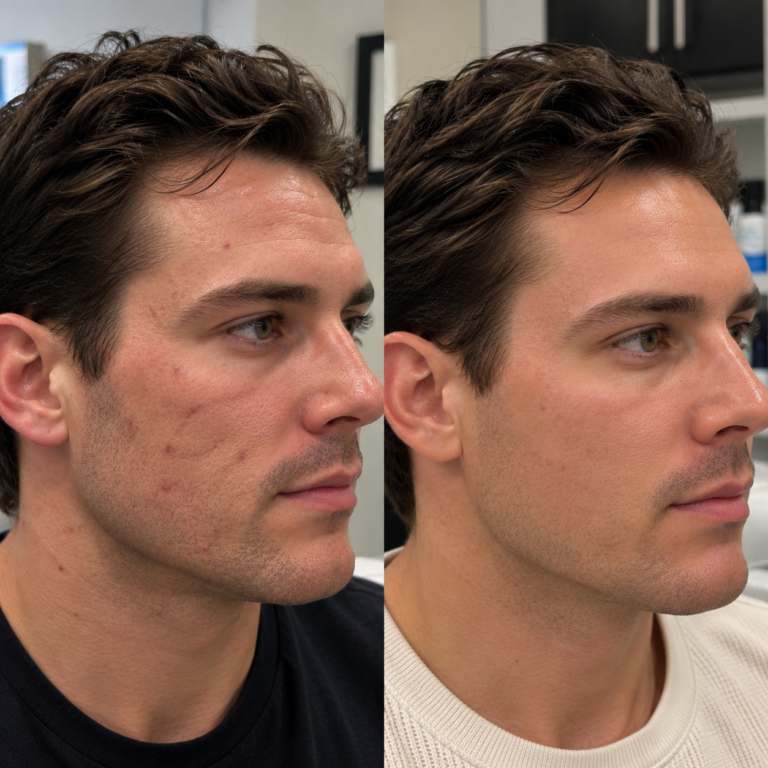
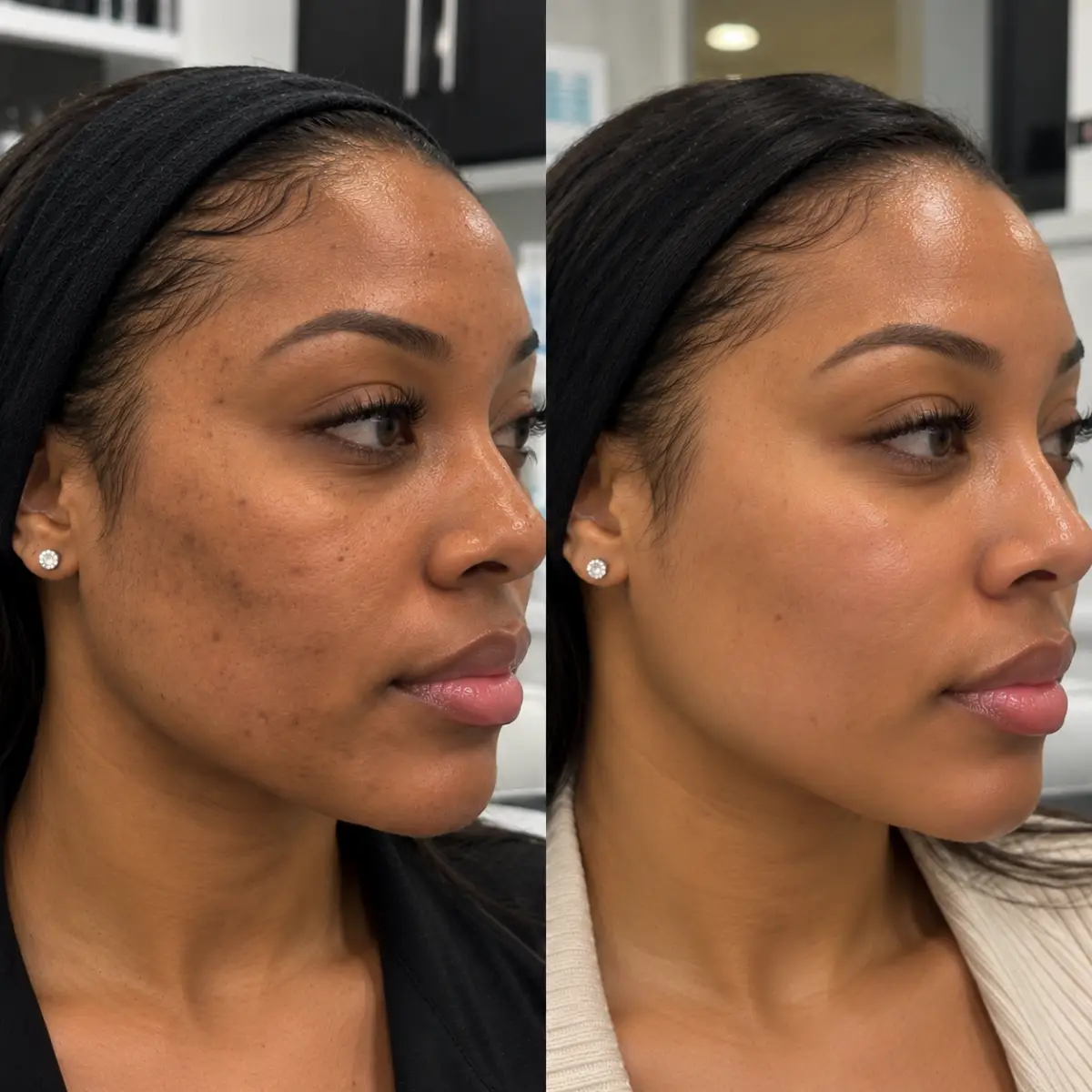
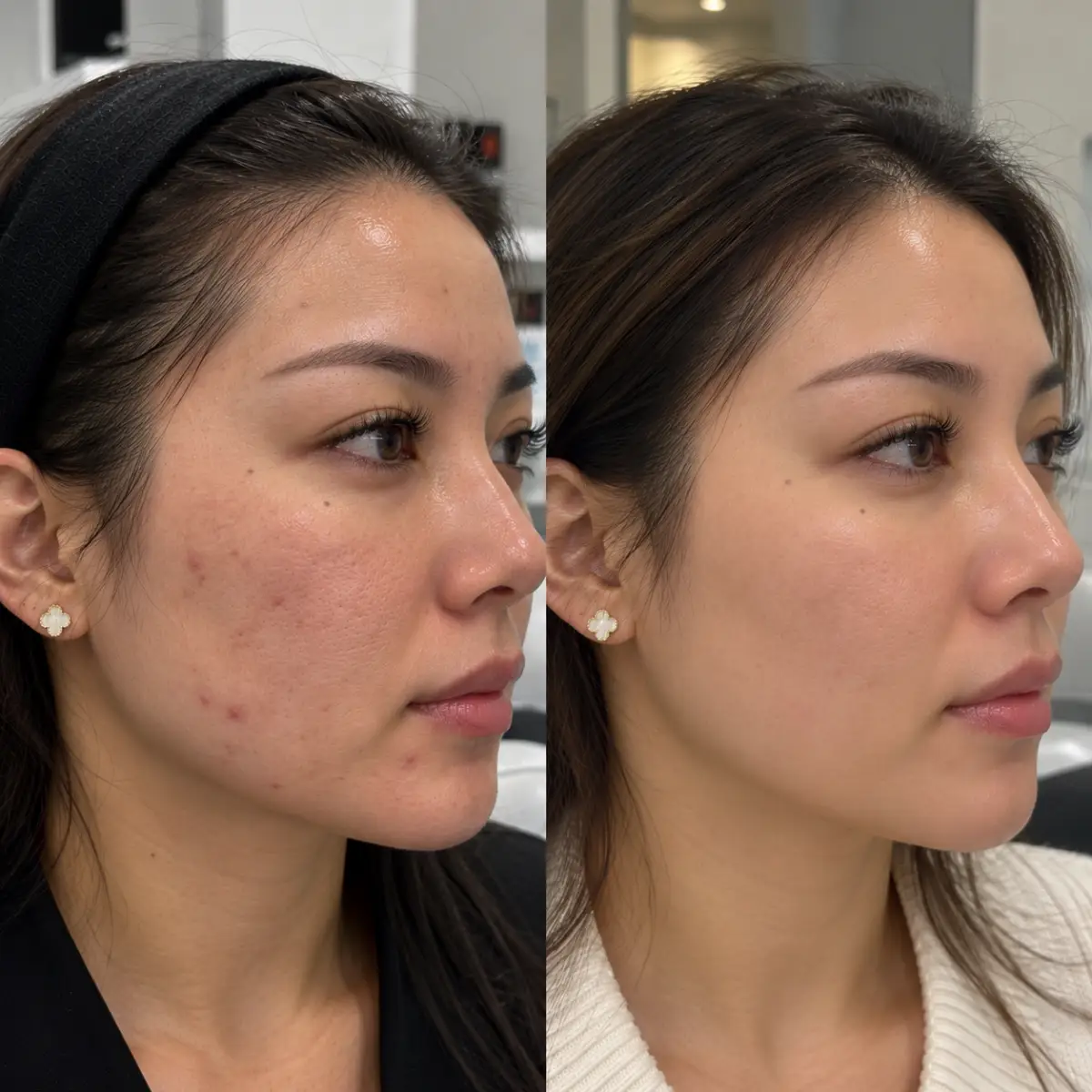
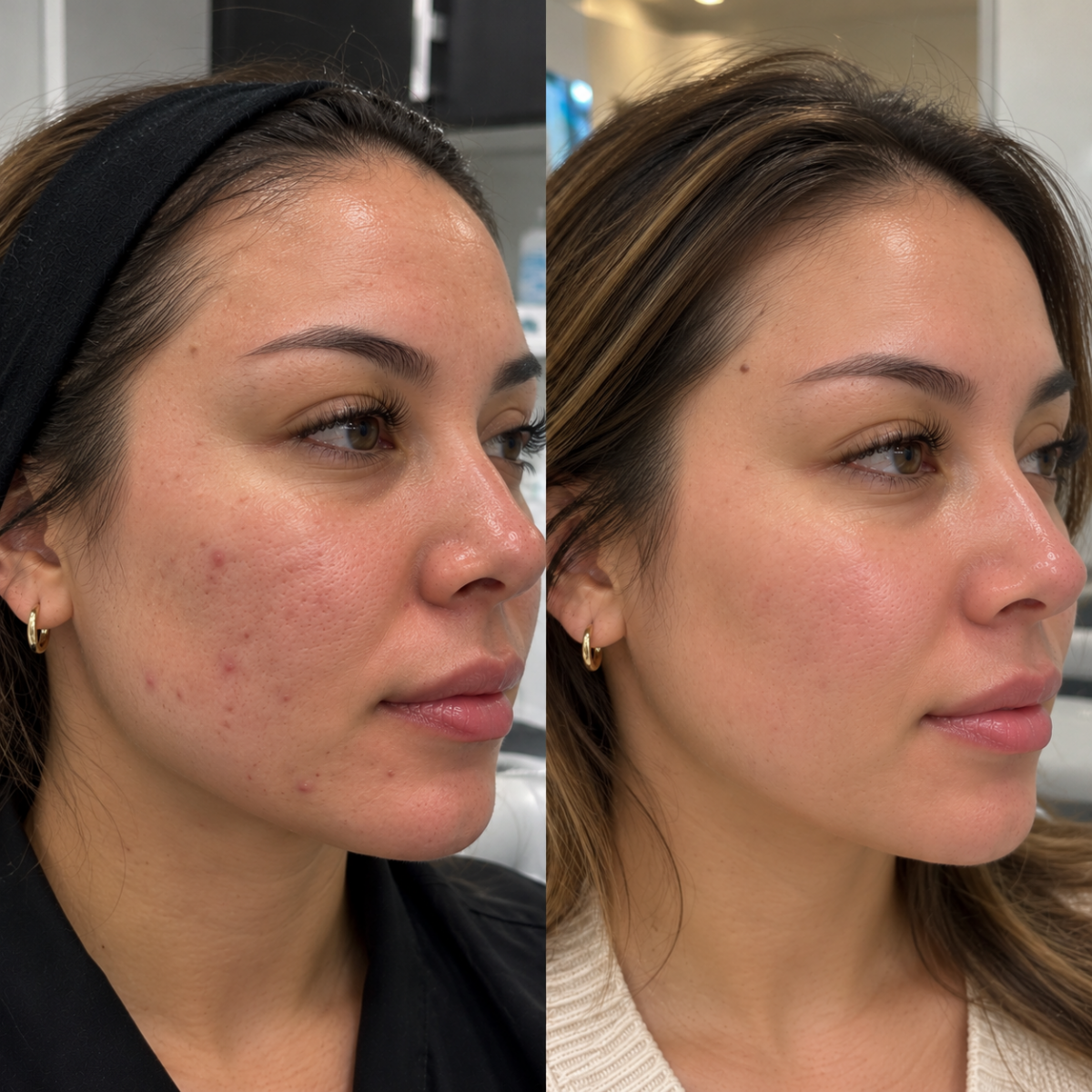
Facial Treatment Before and After Results
Frequently Asked Questions
Identify your skin type, main concerns, and treatment goals. A professional skin assessment can help you choose an appropriate treatment.
A gentle cleansing or hydrating facial may be a suitable starting point for someone without significant skin concerns.
A hydrating facial may temporarily improve dryness and support skin comfort.
A deep cleansing facial may help with surface buildup, although treatment should avoid excessive exfoliation.
Gentle acne-focused skincare may complement a treatment plan, but persistent inflammatory acne often requires medical treatment.
A gentle, barrier-supportive facial is generally preferable to aggressive exfoliation.
Traditional facials do not reliably remove depressed acne scars. Microneedling and selected resurfacing procedures may improve certain scar types.
Hydrating and anti-aging facials may temporarily improve the appearance of fine lines related to dryness. More pronounced concerns may require other treatment approaches.
There is no universal schedule. Frequency depends on the procedure, skin sensitivity, and treatment goals.
Neither is universally better. A chemical peel targets selected concerns through exfoliation, while a traditional facial focuses more on routine skincare
Some gentle treatments may be appropriate, but avoid procedures that worsen flushing or irritation. Discuss your condition with a qualified provider.
Many facial treatments can be appropriate across skin tones. However, certain peels, lasers, and intensive procedures require additional precautions to reduce pigmentation risks.
How to Prepare for Your Facial
Before your appointment, tell your provider about your allergies, medications, skincare products, and previous cosmetic procedures.
Avoid introducing harsh new skincare products immediately before your appointment.
If you use prescription retinoids or have a diagnosed skin condition, ask whether any special precautions are necessary.
Facial Treatment Aftercare
Aftercare depends on the treatment performed.
Your provider may recommend gentle cleansing, moisturizing, sun protection, and temporarily avoiding irritating products.
After procedures such as chemical peels or microneedling, follow the specific aftercare instructions provided.
Seek medical advice if you experience significant or worsening pain, blistering, spreading redness, or unusual swelling.
Final Thoughts: Finding the Right Facial for Your Skin
Understanding how to find the right facial for your skin starts with identifying your skin type and choosing a treatment that addresses your specific concerns.
Hydrating facials may help with dryness, deep cleansing facials may benefit selected patients with congestion, and advanced treatments may be appropriate for certain scars or textural concerns.
The most effective choice depends on your skin’s needs, medical history, and realistic treatment goals.
If you’re exploring professional facials in Grapevine, TX, contact Dr. Lift Spa to learn more about available options.