
IPL vs. Q-Switch YAG Laser: What's the Difference?
Understanding Two Light-Based Technologies for Pigmentation, Sun Damage, and Skin Rejuvenation
Dark spots, uneven skin tone, visible redness, and sun damage are common reasons people explore professional skin treatments. Two technologies frequently discussed for these concerns are Intense Pulsed Light (IPL) and Q-Switch YAG laser treatment.
Although both use light energy, they work differently and are not designed for exactly the same purposes.
When comparing IPL vs Q-Switch YAG Laser, the most important differences involve the type of light delivered, how that energy interacts with skin structures, and which conditions each technology may address.
IPL uses filtered broad-spectrum light and is commonly used for selected superficial pigmentation and vascular concerns. Q-switched Nd laser technology delivers extremely short laser pulses and is used for certain pigmented lesions and tattoo pigments.
Neither treatment is automatically the better choice for every patient.
At Dr. Lift Spa in Grapevine, Texas, patients from Southlake and nearby communities can explore available light-based and laser treatment options through a personalized consultation.
This guide explains the differences between IPL and Q-Switch YAG, including how they work, their potential benefits, recovery considerations, and treatment suitability.
What Is IPL Laser Treatment?
IPL stands for Intense Pulsed Light.
It is a nonablative light-based technology that uses a range of filtered wavelengths to interact with selected structures in the skin.
Despite sometimes being called an IPL laser, IPL is not technically a laser.
Instead of producing a single concentrated wavelength, an IPL device delivers pulses of broad-spectrum light.
Filters help select wavelengths appropriate for particular treatment goals.
IPL may be considered for concerns such as:
Certain sunspots
Freckles
Uneven pigmentation
Visible superficial blood vessels
Some facial redness
Selected signs of sun damage
IPL is also commonly associated with photofacial treatments.
The suitability of IPL depends on the device, skin type, diagnosis, and treatment settings.
What Is Q-Switch YAG Laser Treatment?
Q-Switch YAG generally refers to a Q-switched neodymium-doped yttrium aluminum garnet laser, commonly abbreviated as Q-switched Nd.
Unlike IPL, it is a true laser.
Q-switching allows the device to deliver concentrated laser energy in extremely short pulses, typically measured in nanoseconds.
These short pulses can interact with pigment particles in the skin.
Depending on the device and wavelength, Q-switched Nd systems may be used for:
Selected benign pigmented lesions
Certain deeper pigmentation concerns
Some freckles and sunspots
Tattoo pigment removal
Other device-specific dermatologic indications
Not every Q-switched laser system has the same capabilities or regulatory clearances.
Understanding the 1064 nm and 532 nm Wavelengths
Many Q-switched Nd systems provide two wavelengths.
1064 nm: A near-infrared wavelength that can penetrate relatively deeply and may be used for selected deeper pigmented targets and certain tattoo inks.
532 nm: A shorter, frequency-doubled wavelength that interacts more strongly with superficial pigment and may be used for selected superficial pigmented lesions and tattoo colors.
Wavelength alone does not determine treatment safety or effectiveness.
The pulse duration, energy, spot size, skin type, target, and device-specific guidance also matter.
IPL vs Q-Switch YAG Laser: Key Differences
Both technologies deliver light energy, but they differ in several important ways.
1. Type of Light
IPL: Uses a broad spectrum of filtered light.
Q-Switch YAG: Uses concentrated laser light at a specific wavelength.
2. Energy Delivery
IPL: Delivers controlled pulses of light that can generate heat in selected skin targets.
Q-Switch YAG: Delivers very short, high-peak-power pulses that can produce rapid changes in pigment-containing structures.
3. Common Treatment Targets
IPL: Often considered for superficial pigmentation and certain vascular concerns.
Q-Switch YAG: Commonly used for selected pigmented lesions and tattoo pigments.
4. Treatment Depth
IPL: Penetration varies with the selected wavelengths, filters, and treatment settings.
Q-Switch YAG: The 1064 nm wavelength can reach deeper pigment targets than the frequency-doubled 532 nm wavelength under comparable conditions.
5. Facial Redness
IPL: May be appropriate for selected superficial vascular concerns and some redness associated with rosacea.
Q-Switch YAG: Pigment-targeting Q-switched settings are not generally the first choice for diffuse facial redness. Other vascular laser technologies may be more appropriate.
6. Tattoo Removal
IPL: Not generally recommended for tattoo removal.
Q-Switch YAG: Certain Q-switched Nd systems are used for tattoo pigment removal.
7. Recovery
Both treatments may involve temporary skin reactions.
The type and duration of recovery depend on the treatment settings, target, and individual skin response.
IPL vs Q-Switch YAG Laser Comparison Table
| Feature | IPL | Q-Switch YAG Laser |
|---|---|---|
| Technology | Filtered broad-spectrum light | Q-switched laser |
| Common wavelengths | Multiple filtered wavelengths | Commonly 1064 nm and 532 nm |
| Primary interaction | Light absorption and heating of selected targets | Very short pulses targeting pigment |
| Superficial sunspots | May be appropriate | May be appropriate |
| Deeper pigmentation | More limited applications | Certain deeper lesions may be suitable |
| Facial redness | May address selected vascular concerns | Not generally the primary use of Q-switched pigment settings |
| Tattoo removal | Generally unsuitable | Established application for selected tattoo pigments |
| Skin tone considerations | Requires careful assessment, particularly in darker skin | Requires wavelength- and skin-specific assessment |
| Recovery | Variable | Variable |
| Best choice | Depends on diagnosis and skin characteristics | Depends on diagnosis and skin characteristics |
How Does IPL vs Q-Switch YAG Laser Work?
Understanding the mechanisms helps explain why these treatments are used for different concerns.
How IPL Works
IPL delivers filtered pulses of broad-spectrum light into the skin.
Specific structures absorb portions of this light.
For example:
Melanin absorbs certain wavelengths associated with pigmentation.
Hemoglobin absorbs wavelengths that may be used to target selected blood vessels.
Absorbed light energy is converted into heat.
This controlled heating may alter selected pigmented or vascular structures.
The skin gradually responds after treatment, potentially making certain spots or vessels less noticeable.
How Q-Switch YAG Works
Q-switched Nd lasers deliver high-energy pulses over extremely short periods.
When the energy interacts with an appropriate pigment target, it can create rapid thermal and photoacoustic effects.
These effects may disrupt pigment-containing structures.
The body’s processes then gradually clear some of the treated pigment.
The response depends on the target, wavelength, treatment settings, and individual skin characteristics.
Why the Mechanism Matters
IPL is commonly selected for certain broader superficial pigment or vascular concerns.
Q-switched Nd is often selected when a specific pigment target may benefit from short-pulse laser energy.
A qualified provider must determine whether the proposed treatment matches the actual skin condition.
7 Important Differences Between IPL and Q-Switch YAG Laser
1. IPL Is Not a True Laser
IPL uses multiple filtered wavelengths, while Q-switched Nd produces laser light.
2. They Have Different Treatment Strengths
IPL may be useful for selected superficial sun damage and vascular concerns.
Q-switched Nd may be appropriate for selected pigmented lesions and tattoo ink.
3. They Interact With Pigment Differently
IPL relies primarily on controlled light absorption and heating.
Q-switched Nd uses very short pulses capable of producing rapid pigment disruption.
4. Treatment Depth Is Different
A 1064 nm Q-switched Nd beam can reach certain deeper pigment targets.
IPL penetration depends on the filtered wavelength range and other settings.
5. Facial Redness May Require a Different Approach
IPL can be used for some vascular concerns.
Q-switched pigment settings should not be confused with long-pulsed Nd vascular treatments.
6. Skin Tone Influences Safety
Both technologies require careful planning in patients with greater baseline skin pigmentation.
7. Neither Guarantees Permanent Results
Some pigmentation may recur, and additional sun exposure can contribute to new discoloration.
IPL vs Q-Switch YAG Laser for Hyperpigmentation
Hyperpigmentation occurs when certain areas of skin develop increased pigment.
However, not all dark spots have the same cause.
Common categories include:
Sun-induced pigmentation
Freckles
Post-inflammatory hyperpigmentation
Melasma
Certain benign pigmented lesions
Treatment depends on identifying the cause and depth of the pigment.
IPL for Hyperpigmentation
IPL may help improve selected superficial sun-induced pigmentation.
It is not appropriate for every form of discoloration.
Q-Switch YAG for Hyperpigmentation
Q-switched Nd may be used for certain superficial or deeper pigmented lesions, depending on the wavelength and diagnosis.
Which Is Better?
For selected superficial sunspots, either technology may be considered.
For certain deeper pigmented lesions, an appropriately selected Q-switched laser may offer a more suitable approach.
However, no technology should be selected before the pigmentation is evaluated.
The number of treatments depends on:
- Vessel diameter
- Vessel depth
- Vessel color
- Exact location
- Number of visible vessels
- Skin tone
- Laser parameters
- Previous treatment
- Individual response
Published protocols vary. This is why Under Eye Vein Treatment Grapevine TX should be planned according to the individual vessel rather than marketed as a guaranteed one-session treatment.
Save with a Membership
Members enjoy exclusive pricing on injectable treatments along with additional benefits throughout the year.
Benefits may include:
• Reduced injectable pricing
• Exclusive member discounts
• Monthly treatment benefits
• Priority scheduling
• Long-term treatment planning
Under Eye Vein Treatment Grapevine TX Pricing
Pricing for Under Eye Vein Treatment Grapevine TX depends on the number and location of visible vessels, treatment complexity, and number of sessions recommended.
Because the under-eye area requires particularly careful assessment, your provider should first determine whether the visible vessel can appropriately be treated using the available technology.
Dr. Lift Spa can provide current pricing following consultation.
Why Choose Dr. Lift Spa?
Under-eye veins require more than simply identifying a visible blue line and applying laser energy.
The vessel’s location, depth, diameter, surrounding skin, eye anatomy, and patient history all matter when determining whether treatment is appropriate.
At Dr. Lift Spa, Under Eye Vein Treatment Grapevine TX can begin with an individualized assessment to determine whether the concern is vascular and whether available treatment is suitable.
Dr. Lift Spa serves clients from Grapevine, Southlake, Colleyville, Flower Mound, Coppell, Keller, Bedford, Euless, Irving, and surrounding DFW communities.
Save With a Dr. Lift Spa Membership
Patients receiving ongoing aesthetic and skincare services can explore Dr. Lift Spa membership options.
Membership inclusions and eligibility for specific laser procedures may vary, so confirm current benefits with the team before scheduling treatment.
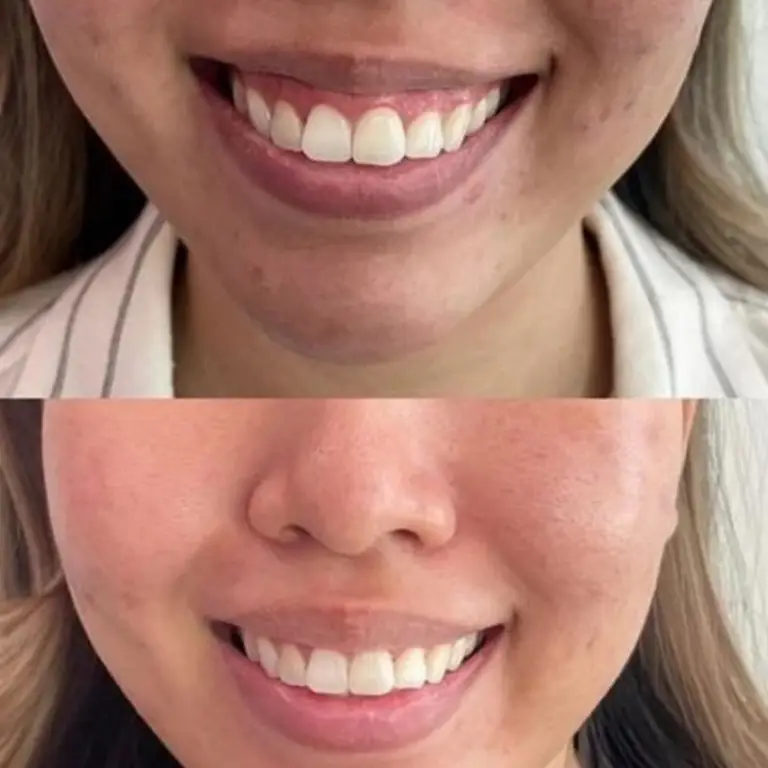
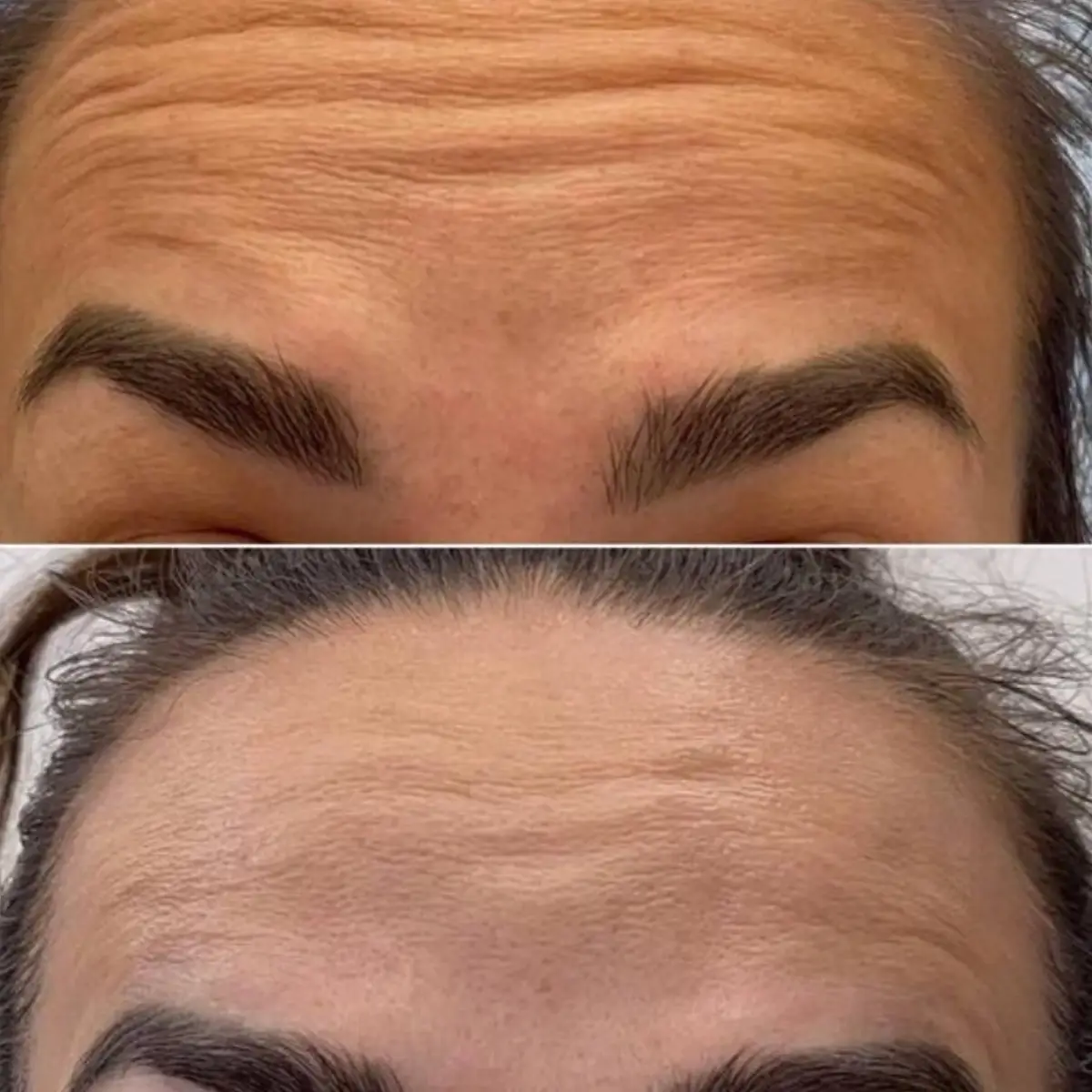
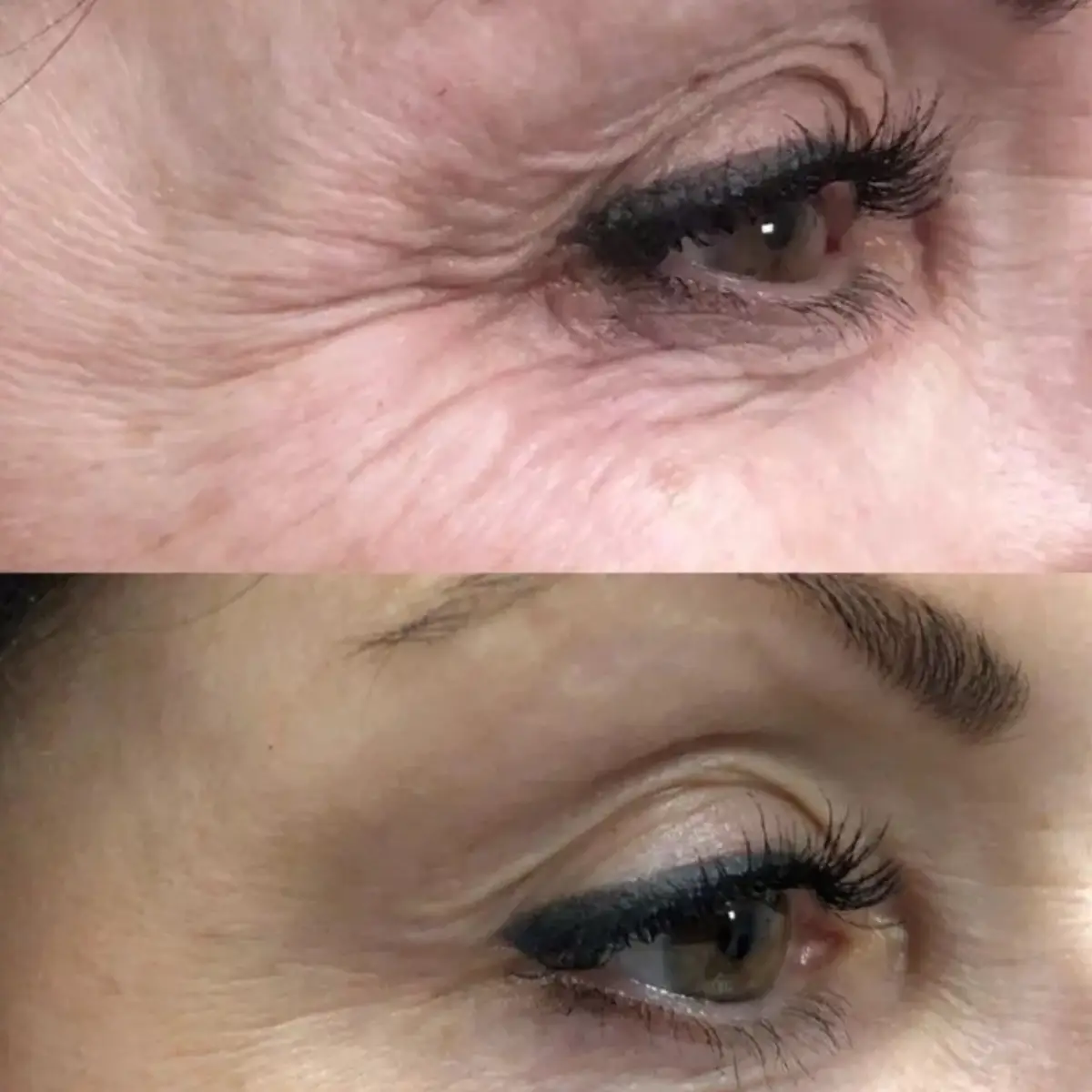
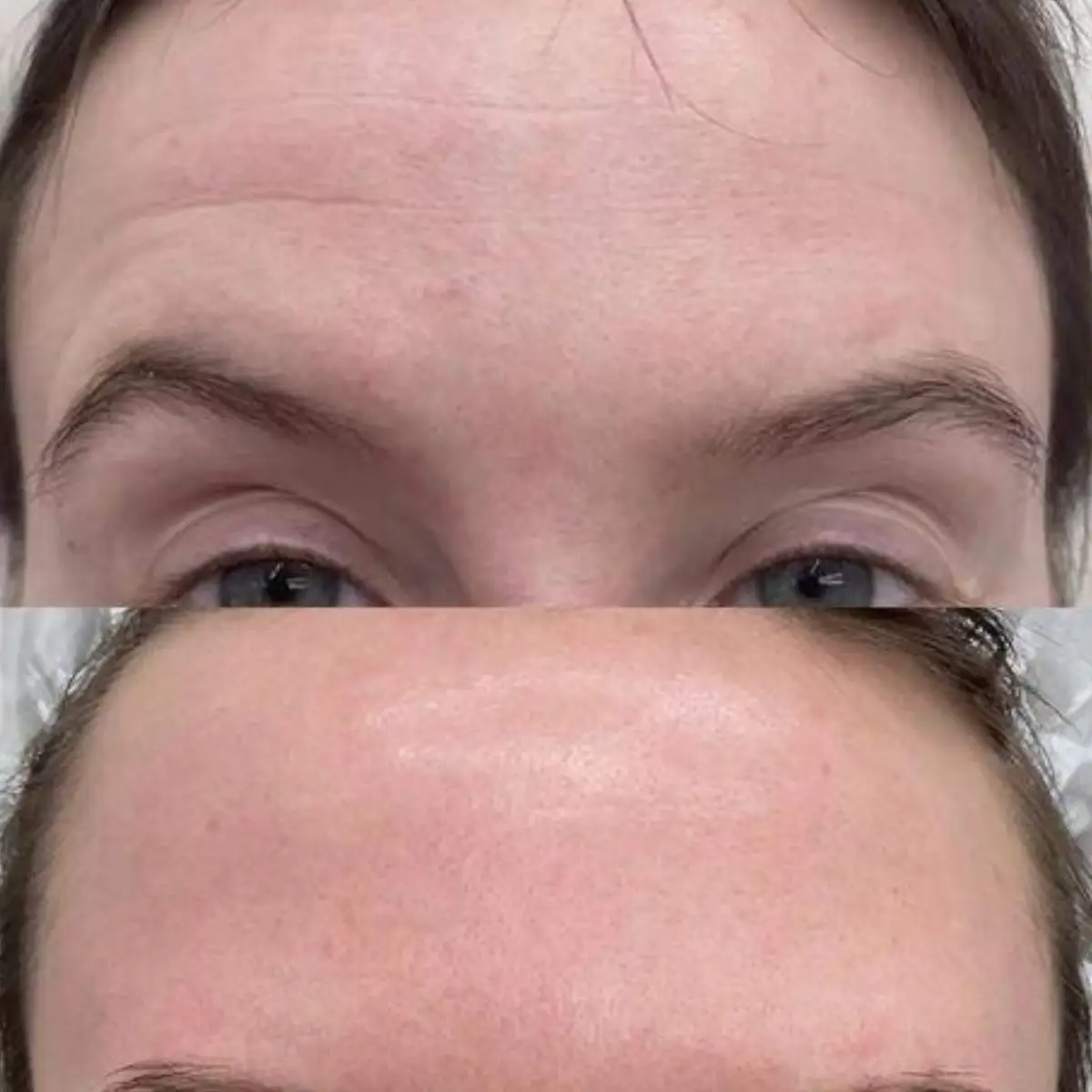
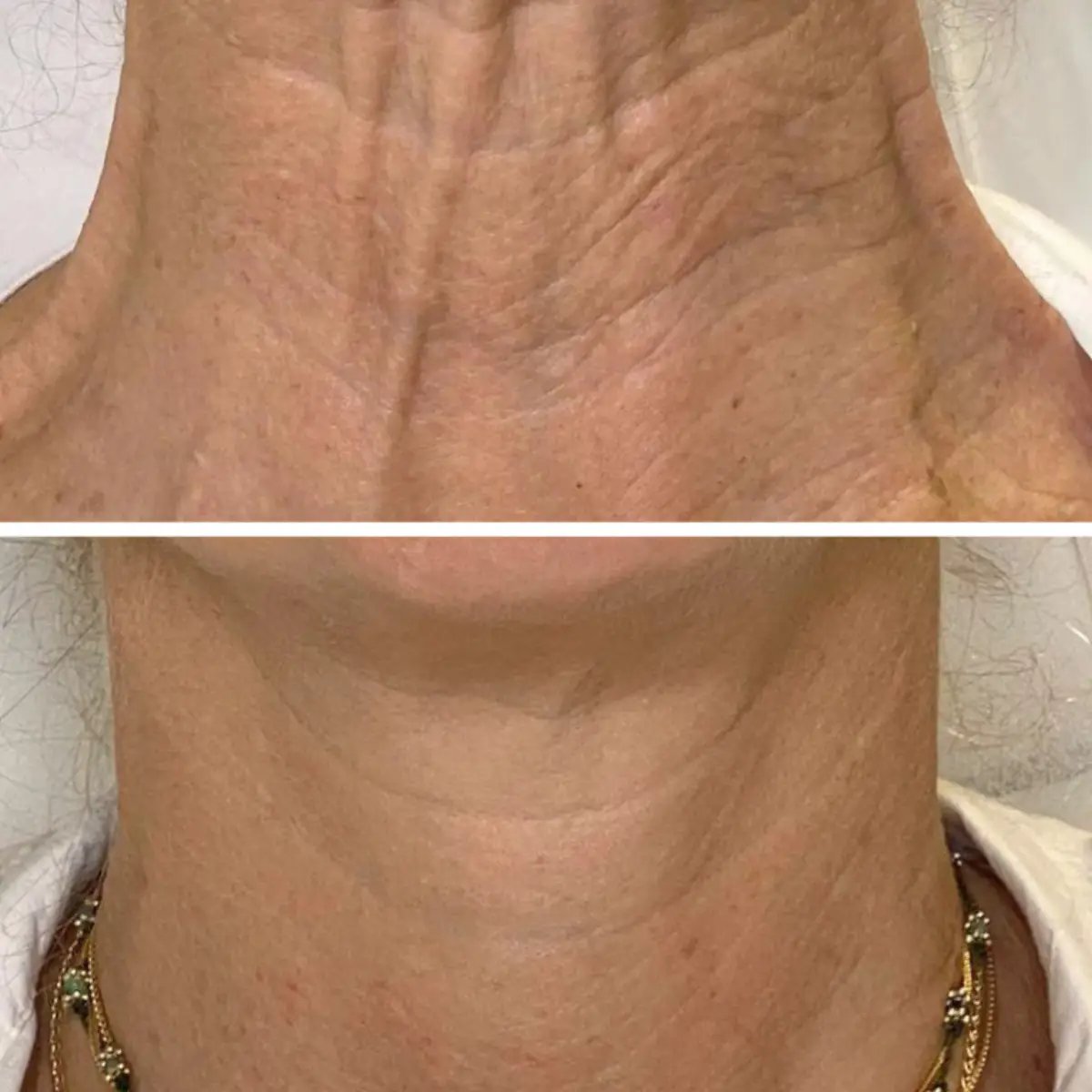
Under Eye Vein Treatment Before & After Results
Under Eye Vein Treatment Grapevine TX FAQs
Long-pulsed 1064 nm Nd:YAG has been studied for selected periocular and infraorbital veins. Published studies report meaningful improvement, but the evidence base is relatively small and treatment must account for the unique safety considerations around the eyes.
Long-pulsed 1064 nm Nd:YAG is one vascular laser used for selected blue periorbital veins. A 2024 systematic review found studies using 1064 nm for blue periorbital vessels, while its associated case series used 532 nm for red vessels and 1064 nm for blue vessels.
Visible veins can contribute to a blue or purple appearance beneath the eyes in some people. However, dark circles have multiple possible causes, so treating veins will not correct every type of under-eye darkness. A clinical study specifically evaluated 1064 nm Nd:YAG in patients whose infraorbital dark circles were associated with visible prominent veins.
It varies. In one retrospective study, 80% of patients treated for periocular and temporal reticular veins received one or two sessions. Your individual treatment plan may differ.
Patients may experience warmth, stinging, or snapping sensations. Pain levels vary according to vessel characteristics, treatment settings, location, cooling, and individual sensitivity.
Temporary redness, swelling, bruising, tenderness, or vessel darkening can occur. A 2024 systematic review reported erythema, edema, pain, urticaria, and blister formation among adverse effects described in the available literature.
Laser procedures around the eye require specialized precautions because ocular injury is possible. Appropriate patient selection, treatment location, technique, and effective eye protection are critical.
Successfully treated vessels may remain less noticeable, but new visible vessels can develop over time. Results and durability vary between patients.
Under Eye Vein Treatment Grapevine TX is an FDA-approved treatment for cosmetic use, widely recognized for its safety and effectiveness (learn more from the FDA).
Under Eye Veins vs. Under Eye Dark Circles
These concerns should not be treated as interchangeable.
Under-eye veins are identifiable blood vessels that may appear blue, purple, or green beneath the skin.
Dark circles describe visible darkness beneath the eyes and may result from pigmentation, vascular visibility, thin skin, shadows, volume loss, anatomy, or several factors together.
If the darkness is not primarily caused by visible vessels, vascular laser treatment may not address the main cause.
Under Eye Vein Treatment vs. Facial Vein Removal
Facial Vein Removal Grapevine TX covers visible vessels across areas such as the cheeks and nose.
Under Eye Vein Treatment Grapevine TX focuses specifically on appropriately selected vessels in the periorbital or infraorbital area.
Because of the proximity to the eyes, this page should emphasize additional safety considerations and treatment limitations rather than simply duplicating the Facial Vein Removal page.
How to Prepare for Under Eye Vein Treatment
Before treatment, minimize excessive UV exposure and avoid arriving with sunburned or irritated skin. Tell your provider about medications, photosensitivity, previous laser procedures, eye conditions, eye surgery, implants, and other relevant procedures around the eyes.
Your provider should determine whether the vessel’s location is appropriate for the available laser technology and what eye protection is required.
Do not apply irritating skincare products around the treatment area unless your provider says they are appropriate.
Under Eye Vein Treatment Aftercare
Follow all individualized instructions after treatment. Keep the area protected from unnecessary sun exposure, use gentle skincare as directed, and avoid rubbing, scratching, or picking irritated skin.
Temporary redness, swelling, bruising, tenderness, vessel darkening, or other localized reactions may occur.
Contact your treatment provider promptly if you develop an unexpected or worsening reaction. Any visual disturbance, significant eye pain, or other concerning eye symptom after a periocular laser procedure warrants urgent medical assessment.
Book Under Eye Vein Treatment Grapevine TX
If visible blue or purple veins beneath your eyes are affecting the appearance of your under-eye area, schedule a consultation for Under Eye Vein Treatment Grapevine TX at Dr. Lift Spa.
Your provider can evaluate whether the discoloration is actually caused by visible veins and determine whether the vessel’s location, your skin characteristics, and the available vascular laser technology make treatment appropriate.